In this article, we’ll explore: 8 Foods To Avoid With an Upset Stomachand What To Eat Instead and why it matters today.
Related:
👉 Unpacking the Invisible Links: How Hormones Shape Women's Vulnerability to Traumatic Stress
👉 The Hidden Hormones: Unpacking Women's Unique Vulnerability to Traumatic Stress
👉 Unpacking the Invisible Links: How Hormones Shape Women's Vulnerability to Traumatic Stress
Learn more: 8 Foods To Avoid With an Upset Stomachand What To Eat Instead on Google Search
We’ve all been there. That dreaded rumble, the sudden queasy feeling, the undeniable urge to curl up in a ball and wish the world away. An upset stomach isn’t just uncomfortable; it can throw a wrench in your entire day, making even simple tasks feel monumental. And when your gut is protesting, what you put into your body becomes incredibly important. Eating the wrong thing can exacerbate symptoms, prolong your misery, and make you regret every bite.
But here’s the good news: just as certain foods can worsen the situation, others can be your best friends, offering gentle comfort and aiding recovery. Understanding the difference is key to getting back on your feet faster. As a professional blog writer and SEO expert, I’ve seen countless people search for answers to this very common problem. So, let’s dive into the practical advice you need. This post will walk you through **8 foods to avoid with an upset stomach and what to eat instead**, helping you make smart choices for a happier tummy.
Ready to give your digestive system the TLC it deserves? Let’s get started.
The “No-Go” List: Foods to Steer Clear Of
When your stomach is feeling delicate, think of it like a baby – it needs gentle handling and easy-to-digest nourishment. These foods, while often delicious, can be too harsh for a compromised digestive system.
1. Spicy Foods
There’s a reason why a fiery curry or a chili-laden dish feels like it’s burning twice when you have an upset stomach. Capsaicin, the compound that gives chili peppers their heat, can irritate the lining of your stomach and intestines, leading to increased pain, heartburn, and even diarrhea. It’s like pouring gasoline on a small fire – definitely not what you want.
Story Time: I once had a friend who, despite feeling a bit queasy, decided to “sweat it out” with a super spicy taco. He regretted it almost immediately, spending the next few hours in far more discomfort than before. Lesson learned!
- What to Eat Instead: Opt for bland, non-spicy foods like plain rice, toast, boiled chicken, or oatmeal. Think gentle flavors that won’t send your digestive system into overdrive.
2. Greasy, Fried, and High-Fat Foods
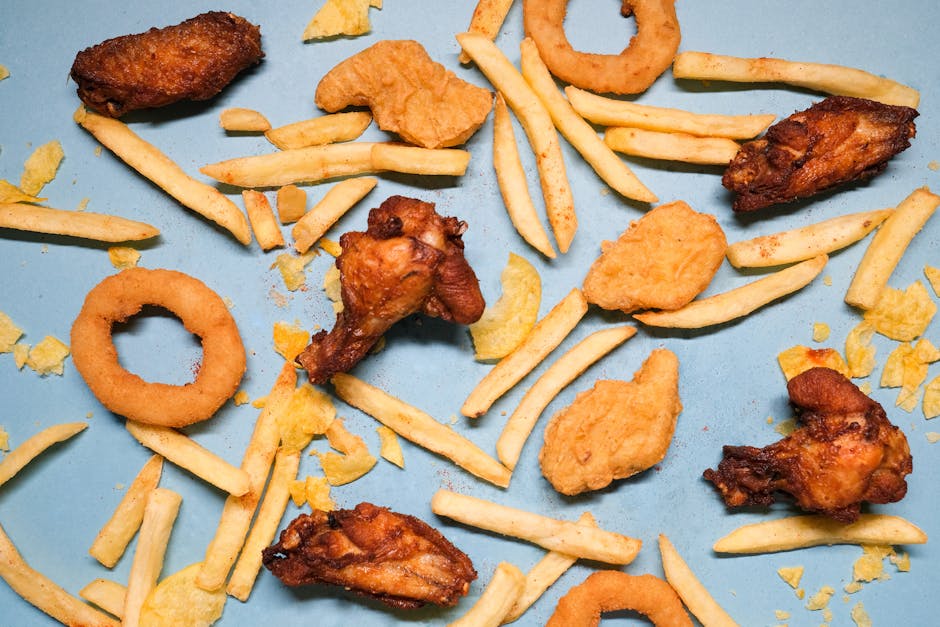
Burgers, fries, pizza, deep-fried anything – these are comfort foods for many, but they’re a nightmare for an upset stomach. High-fat foods take a long time to digest, forcing your stomach to work harder. This can lead to bloating, nausea, and even vomiting, as your digestive system struggles to break down the fats.
- What to Eat Instead: Lean protein sources like baked or grilled chicken breast, fish, or tofu. Steamed vegetables are also a great choice. These are much easier for your body to process.
3. Dairy Products (Especially for the Lactose Intolerant)
While dairy can be a source of calcium and protein, many people have some degree of lactose intolerance, meaning they struggle to digest the sugar (lactose) found in milk and other dairy products. Even if you’re usually fine with dairy, an upset stomach can make you temporarily more sensitive. This can lead to gas, bloating, cramps, and diarrhea.
Real-world Example: Imagine someone who usually enjoys a splash of milk in their coffee feeling completely fine. But with a stomach bug, that same splash could trigger severe cramps. It’s about listening to your body when it’s vulnerable.
- What to Eat Instead: If you crave something creamy, try lactose-free milk alternatives like almond milk or oat milk. Water, herbal teas, or clear broths are also excellent choices for hydration.
4. Acidic Foods (Citrus Fruits and Tomatoes)
Oranges, lemons, grapefruit, tomatoes, and tomato-based sauces are all highly acidic. While they’re packed with vitamins, their acidity can irritate an already inflamed stomach lining, leading to increased heartburn, acid reflux, and general discomfort. It’s like rubbing salt on a wound – you just don’t want to do it.
- What to Eat Instead: Stick to less acidic fruits like bananas or applesauce. Cooked, non-acidic vegetables like carrots or zucchini are also good.
5. Caffeinated Beverages
That morning coffee might be your usual wake-up call, but caffeine is a stimulant that can increase stomach acid production and act as a diuretic, potentially leading to dehydration. For an upset stomach, this can worsen nausea and contribute to loose stools.
- What to Eat Instead: Decaffeinated herbal teas (like ginger or peppermint, known for their soothing properties), water, or diluted fruit juices (like apple juice) are better options for staying hydrated without irritating your stomach.
6. Alcohol
This one might seem obvious, but it bears repeating. Alcohol is a direct irritant to the stomach lining. It can increase stomach acid, cause inflammation, and dehydrate you, all of which are detrimental when your stomach is already upset. It also interferes with nutrient absorption and can worsen nausea and vomiting.
Story Time: A colleague once told me about trying to “drown his sorrows” with a beer after a particularly bad day and an already unsettled stomach. He ended up feeling significantly worse, proving that alcohol is never the answer for tummy troubles.
- What to Eat Instead: Plain water, electrolyte-rich drinks (like oral rehydration solutions), or clear broths are your best friends here. Focus on rehydration and gentle nourishment.
7. Highly Processed and Sugary Snacks
Think candy, cookies, sugary cereals, and most packaged snacks. These often contain high amounts of refined sugars, unhealthy fats, and artificial ingredients that are difficult for your body to digest. Sugar, in particular, can feed bad bacteria in your gut, potentially worsening gas and bloating.
- What to Eat Instead: If you need a snack, reach for something truly simple like a plain rice cake, a banana, or some unsweetened applesauce. Your stomach will thank you.
8. Raw Vegetables and Legumes (Initially)
While raw vegetables and legumes (like beans and lentils) are fantastic sources of fiber and nutrients, they can be challenging for a sensitive stomach to digest. Their high fiber content, especially when raw, can lead to increased gas and bloating as your digestive system works hard to break them down. It’s like asking your already tired muscles to run a marathon.
- What to Eat Instead: Cooked, soft vegetables like boiled carrots, mashed potatoes, or steamed zucchini are much easier to digest. Once your stomach starts to feel better, you can gradually reintroduce cooked legumes and then raw vegetables in small amounts.
Key Takeaways for a Happy Tummy
When your stomach is feeling rough, remember these simple rules:
- Bland is Best: Stick to mild, non-irritating foods.
- Hydrate Wisely: Water, clear broths, and herbal teas are your allies.
- Go Low-Fat: Avoid greasy and fried foods.
- Listen to Your Body: If something doesn’t feel right, don’t eat it!
- Small & Frequent: Eating smaller meals more often can be easier than large, heavy ones.
Frequently Asked Questions About Eating with an Upset Stomach
Q1: How long should I avoid these foods?
A: It really depends on the severity and cause of your upset stomach. For mild cases, you might feel better within 24-48 hours. For more severe issues like a stomach bug, it could take a few days. The best approach is to gradually reintroduce foods, starting with the gentlest options, and see how your body reacts. If symptoms persist, consult a doctor.
Q2: What if I accidentally eat one of these “no-go” foods?
A: Don’t panic! If you’ve accidentally eaten something on the avoid list, focus on hydrating with water or soothing teas. You might experience a temporary worsening of symptoms, but it should pass. Just be more mindful of your next meal choices.
Q3: Are there any universal “safe” foods for an upset stomach?
A: While everyone is different, the BRAT diet (Bananas, Rice, Applesauce, Toast) is often recommended because these foods are bland, low in fiber, and easy to digest. Other good options include clear broths, boiled potatoes, and plain crackers.
Q4: When should I be concerned and see a doctor?
A: If your upset stomach is accompanied by severe pain, high fever, persistent vomiting, blood in your stool or vomit, signs of dehydration (like decreased urination, extreme thirst, dizziness), or if symptoms last for more than a couple of days, it’s crucial to seek medical attention immediately. These could be signs of a more serious underlying condition.
Bringing It All Together
Dealing with an upset stomach is never fun, but making informed food choices can significantly speed up your recovery and ease your discomfort. By understanding which foods to avoid with an upset stomach and what to eat instead, you’re empowering yourself to heal and get back to feeling like your best self. Remember, your body is incredibly resilient, and with a little care and the right nourishment, you’ll be feeling better in no time. Be kind to your gut, and it will be kind to you!
Written with love and assistance and refined for quality.
{“@context”:”https://schema.org”,”@type”:”Article”,”headline”:”Navigating the Tummy Troubles: 8 Foods To Avoid With an Upset Stomach and What To Eat Instead”,”description”:”In this article, weu2019ll explore: 8 Foods To Avoid With an Upset Stomachand What To Eat Instead and why it…”,”author”:{“@type”:”Person”,”name”:”rahuljait”},”datePublished”:”2026-05-14T02:39:25+00:00″,”dateModified”:”2026-05-14T02:39:25+00:00″,”mainEntityOfPage”:”https://healthyworldz.com/navigating-the-tummy-troubles-8-foods-to-avoid-with-an-upset-stomach-and-what-to-eat-instead-5/”,”image”:[“https://healthyworldz.com/wp-content/uploads/2026/05/8-foods-to-avoid-with-an-upset-stomachand-what-to-eat-instead-42.jpg”]}
🔗 Related: Women with polycystic ovary syndrome exhibit…
🔗 Related: Hormonal mechanisms of womens risk in…
🔗 Related: Hormonal mechanisms of womens risk in…