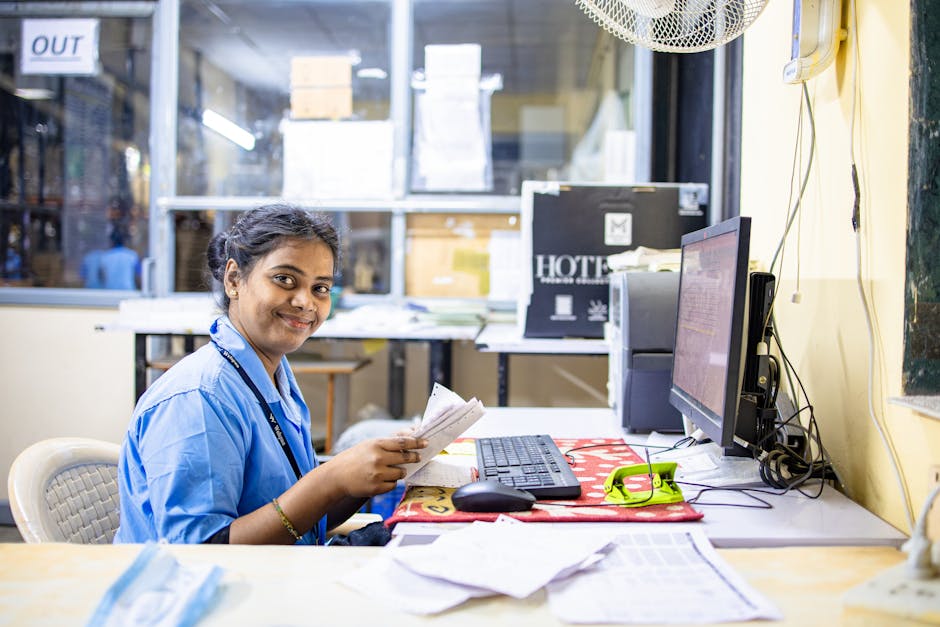
In this article, we’ll explore: BcozSheMatters: WHO Health Ministry roll out campaign on women and girls health and well-being and why it matters today.
Related:
👉 Why Biology Matters: Understanding the Hormonal Mechanisms of Womens Risk in the Face of Traumatic Stress
👉 Why Women React Differently to Trauma: Understanding the Hormonal Connection
👉 BcozSheMatters: WHO and Health Ministry Join Forces for a Landmark Campaign on Women’s Well-being
Learn more: BcozSheMatters: WHO Health Ministry roll out campaign on women and girls health and well-being on Wikipedia
Think about the women in your life for a moment. Your mother, your sister, your best friend, or perhaps the woman you see in the mirror every morning. Women are often the backbone of our families and the heartbeat of our communities. They are the caregivers, the problem-solvers, and the multitaskers. But here is the bittersweet truth: while women spend so much time looking after everyone else, their own health often takes a backseat.
Whether it’s a mother skipping her doctor’s appointment to take her child to school, or a young girl missing classes because she doesn’t have access to proper menstrual hygiene, these gaps in care are real. Recognizing this, a massive new movement has begun. The BcozSheMatters: WHO Health Ministry roll out campaign on women and girls health and well-being is more than just a headline; it’s a promise to prioritize the health of half the world’s population.
In this post, we’re going to dive deep into what this campaign is all about, why it’s happening now, and how it’s designed to change lives from the grassroots level up to the big cities.
What Exactly is the #BcozSheMatters Campaign?
At its core, the #BcozSheMatters initiative is a collaborative effort between the World Health Organization (WHO) and the Ministry of Health. It’s a nationwide (and global-reaching) call to action. The goal isn’t just to hand out brochures; it’s to create a culture where a woman’s health is seen as a fundamental right, not a luxury.
The campaign focuses on a “Life-Cycle Approach.” This means they aren’t just looking at pregnancy or old age. They are looking at health from the moment a girl is born, through her teenage years, her reproductive years, and into her senior years. It’s about holistic well-being—mental, physical, and emotional.
The Vision Behind the Movement
The WHO and the Health Ministry realized that for too long, “women’s health” was used as a synonym for “maternal health.” While giving birth safely is incredibly important, a woman’s life is about so much more than her ability to have children. This campaign aims to broaden that lens. It addresses things like nutrition, non-communicable diseases (like diabetes and heart disease), mental health, and the often-ignored topic of menopause.
Why Now? The Silent Crisis in Women’s Health
You might be wondering, “Why do we need a specific campaign for this?” The answer lies in the data, but more importantly, in the stories we hear every day. Let’s look at a real-world example.
Meet Meera. Meera is a 34-year-old teacher and a mother of two. She works eight hours a day, manages the household, and cares for her elderly parents. For the last six months, Meera has been feeling unusually tired and has had persistent back pain. She tells herself, “It’s just stress,” or “I’ll go to the clinic next month when things are less busy.” This “silent endurance” is common among millions of women. By the time many women seek help, their conditions have often progressed to a stage that is much harder to treat.
The BcozSheMatters: WHO Health Ministry roll out campaign on women and girls health and well-being is designed to break this cycle of delay. It aims to empower women like Meera to realize that their health is the foundation of their family’s stability. If she isn’t well, the whole structure feels the strain.
Key Pillars of the #BcozSheMatters Initiative
The campaign isn’t just a single event; it’s a multi-pronged strategy. Here are the main areas where the WHO and Health Ministry are focusing their energy:
- Preventative Screenings: Early detection of breast and cervical cancer is a major priority. The campaign is setting up mobile screening units to reach women in rural areas who might never have had a mammogram or a Pap smear.
- Menstrual Health and Hygiene (MHH): For young girls, periods are often a source of shame or a reason to drop out of school. The campaign works to provide affordable sanitary products and, more importantly, education to de-stigmatize menstruation.
- Mental Health Support: Women are statistically more likely to experience anxiety and depression, often due to societal pressures and hormonal changes. This initiative is integrating mental health check-ups into standard primary care.
- Nutritional Advocacy: Anemia remains a massive problem among women and girls. The campaign is promoting iron-rich diets and providing supplements to adolescent girls and pregnant women.
- Digital Health Literacy: In today’s world, information is power. The campaign is launching apps and SMS services to give women direct access to health tips and appointment reminders.
Breaking the Taboos: It’s Time to Talk
One of the most human elements of the #BcozSheMatters campaign is its focus on conversation. There are so many topics in women’s health that are still considered “hush-hush.” Menopause, for instance, is a natural phase of life, yet many women suffer through hot flashes, mood swings, and bone density loss in silence because they feel embarrassed to talk about it.
The Health Ministry is rolling out community workshops where women can gather and talk openly. When a 50-year-old woman realizes that her neighbor is going through the exact same thing, the shame disappears. It’s replaced by support and medical guidance. This social connection is a vital part of “well-being” that isn’t found in a pill bottle.
The Role of Men and Boys
Interestingly, the BcozSheMatters: WHO Health Ministry roll out campaign on women and girls health and well-being also reaches out to men. Why? Because health is a family affair. When fathers, brothers, and husbands understand the health needs of the women in their lives, they become allies. They help ensure their daughters get vaccinated against HPV and support their wives in taking time off for self-care.
Real-World Impact: Stories from the Ground
In a small village in the outskirts of the city, a young girl named Sarah recently participated in a #BcozSheMatters workshop at her school. Before the campaign, Sarah used old rags during her period and often stayed home from school because she was afraid of leaking. Through the campaign, she received a hygiene kit and learned about the biology of her body. Today, Sarah hasn’t missed a single day of school in three months. That is the tangible success of this initiative.
In the urban sector, a corporate office partnered with the Health Ministry to host “Wellness Wednesdays.” They offered free blood pressure and sugar checks for their female employees. One employee discovered she had early-stage hypertension—something she had no idea about. Because of the campaign, she is now on a management plan and living a healthier life.
How Can You Get Involved?
You don’t have to be a doctor or a government official to support this movement. The “Bcoz She Matters” philosophy starts at home.
- Educate Yourself: Read up on the specific health challenges women face at different ages.
- Encourage the Women in Your Life: If you notice a friend or family member is neglecting her health, gently encourage her to see a professional.
- Share on Social Media: Use the hashtag #BcozSheMatters to share reliable health information and personal stories.
- Volunteer: Many local NGOs are working alongside the WHO and the Health Ministry. Your time could help organize a local health camp.
Key Takeaways
If you remember nothing else from this post, keep these points in mind:
- Holistic Care: The campaign covers everything from puberty to menopause, not just maternal health.
- Prevention is Key: Regular screenings can save lives by catching diseases like cancer in their earliest stages.
- Mental Health Matters: Emotional well-being is just as important as physical health.
- Community Support: Breaking taboos through conversation is a core goal of the initiative.
- Accessibility: The WHO and Health Ministry are working to ensure that even the most remote areas have access to quality care.
Frequently Asked Questions (FAQ)
1. Who is the primary target of the #BcozSheMatters campaign?
The campaign is designed for women and girls of all ages, from infancy through old age. It also targets policymakers, healthcare providers, and men to create a supportive ecosystem for women’s health.
2. Does this campaign only focus on physical illnesses?
No. A major pillar of the campaign is mental health and emotional well-being. It recognizes that stress, anxiety, and social factors play a huge role in a woman’s overall health.
3. How can I find a #BcozSheMatters health camp near me?
You can check the official website of your local Health Ministry or follow the WHO’s regional social media pages. They frequently post updates about mobile clinics and community workshops.
4. Is the campaign addressing menstrual hygiene?
Yes, menstrual health and hygiene (MHH) is a top priority. The campaign focuses on providing access to sanitary products and educating both girls and boys to reduce the stigma surrounding periods.
5. Why is the WHO involved in a national ministry campaign?
The WHO provides global expertise, data, and standardized guidelines to ensure that the campaign follows international best practices. This partnership ensures that the program is high-quality and sustainable.
Final Thoughts: A Healthier Future Starts Here
The BcozSheMatters: WHO Health Ministry roll out campaign on women and girls health and well-being is a beacon of hope. It’s a reminder that a society is only as healthy as its women. When we invest in the health of a girl, we invest in the future of a nation. When we support the well-being of a mother, we stabilize a family.
Let’s stop viewing women’s health as an “extra” or something to be dealt with only when there is an emergency. It’s time to make it a daily priority. Because at the end of the day, she matters—not just for what she does for others, but for who she is. Let’s make sure she has the health and vitality to live her best life.
Written with love and assistance and refined for quality.
{“@context”:”https://schema.org”,”@type”:”Article”,”headline”:”Why #BcozSheMatters is the Game-Changer We Need: A Look at the New WHO and Health Ministry Campaign”,”description”:”In this article, weu2019ll explore: BcozSheMatters: WHO Health Ministry roll out campaign on women and girls health and well-being and…”,”author”:{“@type”:”Person”,”name”:”Dr. Cuterus”},”datePublished”:”2026-06-06T07:05:15+00:00″,”dateModified”:”2026-06-06T07:05:15+00:00″,”mainEntityOfPage”:”https://healthyworldz.com/why-bcozshematters-is-the-game-changer-we-need-a-look-at-the-new-who-and-health-ministry-campaign/”,”image”:[“https://healthyworldz.com/wp-content/uploads/2026/06/bcozshematters-who-health-ministry-roll-out-campaign-on-women-and-girls-health-and-well-being-28.jpg”]}
🔗 Related: Why womens health needs a system…