In this article, we’ll explore: Women with polycystic ovary syndrome exhibit impaired endometrial receptivity with excessive ER and histone lactylation and why it matters today.
Related:
👉 Understanding Why PCOS Makes Pregnancy Difficult: The New Science of Endometrial Receptivity
👉 The Surprising Power of Creatine: Research Shows This Supplement Can Help Build Lean Muscle And Improve Brain Health
👉 Beyond the Taboo: Understanding Perineal Muscle Strength and Urinary Health for Young Moms in Mangaluru
For many women, the journey to motherhood is a straight path. But for those living with Polycystic Ovary Syndrome (PCOS), that path often feels like a winding road filled with roadblocks, detours, and confusing signs. If you’ve ever felt like your body was speaking a language you couldn’t understand, you aren’t alone. PCOS affects nearly 1 in 10 women of childbearing age, yet much of the science behind why it causes fertility struggles has remained a mystery—until recently.
We’ve known for a long time that PCOS affects ovulation. If you don’t release an egg, you can’t get pregnant. But what happens when a woman with PCOS does ovulate, or when she undergoes IVF and has a perfect embryo ready to go, but it still doesn’t “stick”? This is the heart of a frustrating phenomenon known as impaired endometrial receptivity.
A groundbreaking area of research is finally shedding light on this issue. Recent studies have shown that women with polycystic ovary syndrome exhibit impaired endometrial receptivity with excessive ER and histone lactylation. That sounds like a mouthful of medical jargon, doesn’t it? Don’t worry. In this post, we’re going to break down exactly what that means in plain English and why it matters for your fertility journey.
The Garden and the Seed: Understanding Receptivity
To understand why pregnancy can be difficult with PCOS, think of the process like planting a garden. You need two things: a healthy seed (the embryo) and nutrient-rich, welcoming soil (the uterine lining, or endometrium).
In the world of fertility, “receptivity” is the soil’s way of saying, “I’m ready for the seed.” There is a very specific time in a woman’s cycle, usually called the “window of implantation,” when the uterine lining is perfectly primed to help an embryo attach. In women with PCOS, this window is often “faulty.” The soil isn’t quite right, making it difficult for even the healthiest embryo to take root.
The Role of Estrogen: When Too Much of a Good Thing Is Bad
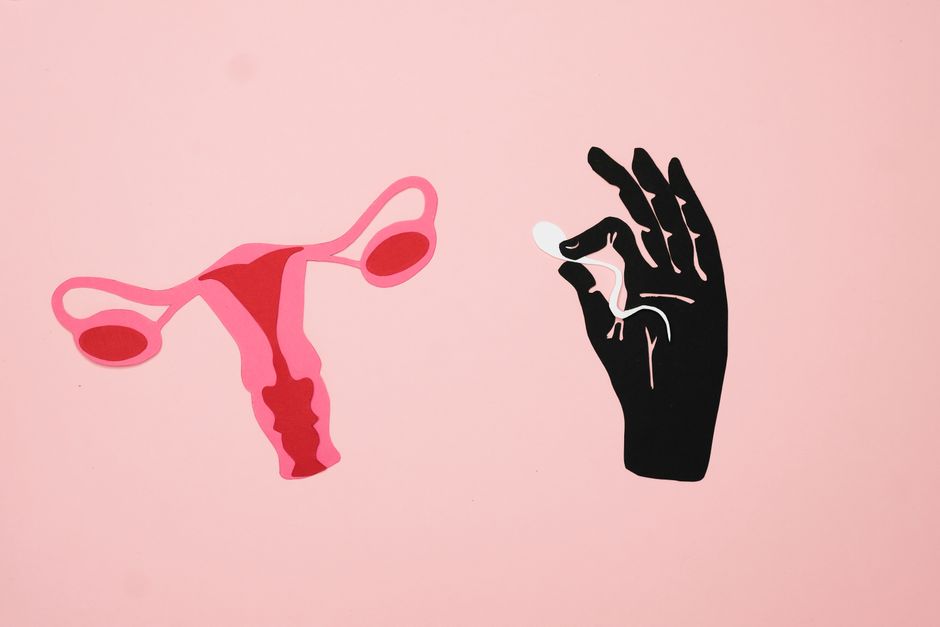
Estrogen is the hormone that builds the uterine lining. You can think of it as the fertilizer for our garden. However, just like you can over-fertilize a plant and cause it to wither, too much estrogen signaling can cause problems. This brings us to the “ER” mentioned in the scientific findings—the Estrogen Receptor.
In a healthy cycle, estrogen rises, does its job, and then progesterone takes over to “mature” the lining. In women with PCOS, the Estrogen Receptors (ER) often stay “turned on” for too long or are present in excessive amounts. When the ER is excessive, the lining never gets the signal to stop growing and start becoming receptive. It stays in a state of constant growth, which sounds good in theory, but actually prevents the embryo from sticking.
What on Earth is Histone Lactylation?
Now, let’s look at the more complex part of the puzzle: histone lactylation. This sounds like something out of a chemistry textbook, but it’s actually a fascinating look at how our metabolism affects our genes.
The “Sticky Note” Analogy
Your DNA is like a massive library of instructions. Histones are the spools that the DNA is wrapped around. For your body to read the instructions, it has to unroll the DNA from the histone. “Lactylation” is like a chemical sticky note that gets placed on those spools.
In women with PCOS, there is often an imbalance in how the body processes sugar and lactic acid (lactate). When lactate levels are high in the uterus, it creates these “lactylation” sticky notes on the histones. These notes tell the cell to keep producing more Estrogen Receptors.
So, the chain reaction looks like this:
- Metabolic Stress: PCOS causes high levels of lactate in the uterine environment.
- Lactylation: This lactate attaches to histones (the DNA spools).
- Excessive ER: These “sticky notes” force the body to over-produce Estrogen Receptors.
- Impaired Receptivity: The uterine lining stays “over-fertilized” and refuses to let the embryo implant.
This is why the phrase “women with polycystic ovary syndrome exhibit impaired endometrial receptivity with excessive ER and histone lactylation” is so important. It identifies the exact biological “glitch” that prevents pregnancy.
Real-World Example: Sarah’s Story
To put this into perspective, let’s look at Sarah. Sarah is 31 and has struggled with PCOS since her teens. She manages her diet, takes her supplements, and eventually decides to try IVF. Her doctors are thrilled—they manage to retrieve several high-quality eggs, and they create a perfect embryo.
But the transfer fails. Then the second transfer fails. Sarah is heartbroken. “The embryo was perfect,” she tells her doctor. “What went wrong?”
In the past, doctors might have just said it was “bad luck.” But with this new research, we can see that Sarah’s uterine environment was likely the issue. Because of the excessive histone lactylation in her lining, her Estrogen Receptors were stuck in the “on” position. Her “soil” wasn’t ready for the “seed,” no matter how perfect that seed was. Understanding this allows doctors to look at metabolic treatments to “reset” the lining before the next transfer.
Why This Discovery Is a Game-Changer
You might be wondering, “Okay, this is interesting, but how does it help me?” This research is vital because it shifts the focus from just “getting an egg” to “preparing the home.”
1. Better Diagnostic Tools
In the future, we may be able to test the levels of lactylation in the uterine lining before an embryo transfer. This would allow doctors to wait for the perfect moment or treat the environment before wasting a precious embryo.
2. New Treatment Pathways
Since we know that lactate is the culprit behind the “sticky notes” on our DNA, treatments that target metabolism (like Metformin or specific dietary changes) become even more important. We aren’t just treating insulin; we are literally cleaning up the environment of the uterus.
3. Reducing the Emotional Toll
One of the hardest parts of PCOS-related infertility is the “unexplained” failure. Knowing that there is a biological reason—excessive ER and histone lactylation—can provide a sense of peace and a clear direction for what to fix next.
How to Support Your Endometrial Health with PCOS
While we wait for new drugs specifically targeting histone lactylation, there are things you can do right now to support your uterine receptivity:
- Manage Insulin Sensitivity: Since lactate is a byproduct of glucose metabolism, keeping your blood sugar stable is key. A diet rich in fiber, healthy fats, and protein can help.
- Anti-Inflammatory Lifestyle: Chronic inflammation can worsen the metabolic issues in the uterus. Focus on whole foods, berries, leafy greens, and omega-3 fatty acids.
- Consult with a Specialist: If you are undergoing IVF, talk to your doctor about “frozen embryo transfers” (FET). Sometimes, giving the body a break from the high-hormone environment of an egg retrieval allows the ER levels to normalize.
- Movement Matters: Regular, moderate exercise helps the body process lactate and improves overall circulation to the pelvic organs.
Key Takeaways
- PCOS doesn’t just affect ovulation; it also affects how “receptive” the uterus is to an embryo.
- The phrase “women with polycystic ovary syndrome exhibit impaired endometrial receptivity with excessive ER and histone lactylation” explains the chemical reason why implantation fails.
- Excessive Estrogen Receptors (ER) keep the uterine lining from maturing properly.
- Histone lactylation acts like a “switch” that keeps these receptors turned on due to metabolic imbalances.
- This discovery opens the door for new treatments that focus on the “soil” of the uterus, not just the “seed.”
Frequently Asked Questions
Can I get pregnant if I have impaired endometrial receptivity?
Yes, but it may take more time or specific interventions. Many women with PCOS successfully conceive once their metabolic health is managed or through adjusted IVF protocols that allow the uterine lining to “reset.”
Does Metformin help with uterine receptivity?
Metformin is often prescribed to women with PCOS to improve insulin sensitivity. By improving how your body handles sugar, it may indirectly reduce excessive lactate and lactylation in the uterus, though you should always follow your doctor’s specific advice.
What are the symptoms of poor uterine receptivity?
Unfortunately, there are no outward symptoms like a headache or a rash. The main sign is “failed implantation”—when you have a healthy embryo (confirmed by testing) but pregnancy does not occur, or recurrent early pregnancy loss.
Is this the same as having a “thin” lining?
No. A lining can be the perfect thickness but still have impaired receptivity. Receptivity is about the chemical and genetic “readiness” of the lining, not just its size.
Final Thoughts
Science is finally catching up to the lived experiences of women with PCOS. For years, the frustration of “unexplained” fertility struggles has weighed heavily on millions. But by uncovering the roles of histone lactylation and estrogen receptors, we are moving toward a future where “impaired receptivity” is no longer a mystery, but a treatable condition.
If you are struggling, remember that your body isn’t “broken”—it’s just operating with a very complex set of instructions. With every new study, we get closer to helping you rewrite those instructions for a successful, healthy pregnancy.
Written with love and assistance and refined for quality.
🔗 Related: Perineal muscle strength as a predictor…
🔗 Related: Research Shows This Supplement Can Help…