
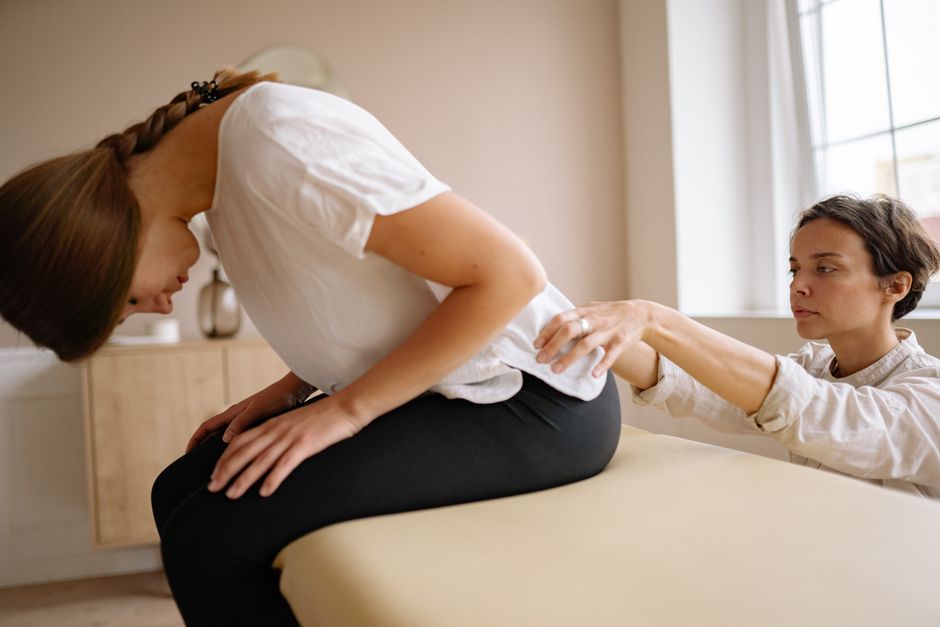
In this article, we’ll explore: Perineal muscle strength as a predictor of stress urinary incontinence among young parous women in Mangaluru India and why it matters today.
Related:
👉 The Hidden Dangers of Extreme Weight Loss: Why a Woman Suffers Permanent Brain Damage After 15-Day Water-Only Fast Loses 20kg
👉 Health on the Move: Why the New Delhi Metro Campaign for Women is a Game Changer
👉 Beyond the "Oops" Moment: Why Pelvic Strength Matters for Young Moms in Mangaluru
Imagine you’re at a family gathering in Mangaluru. The smell of fresh kori rotti is in the air, you’re catching up with your cousins, and someone tells a hilarious joke. You start laughing, but suddenly, you feel a tiny, cold panic. A small leak. You quickly excuse yourself to the bathroom, wondering if this is just your “new normal” after having a baby.
If this sounds familiar, you aren’t alone. In the coastal city of Mangaluru, many young mothers—women who have just started their journey into parenthood—are quietly dealing with Stress Urinary Incontinence (SUI). For a long time, this was a “hush-hush” topic, something discussed in whispers or ignored entirely. But recent focus on perineal muscle strength as a predictor of stress urinary incontinence among young parous women in Mangaluru India is changing the conversation from embarrassment to empowerment.
Today, we’re going to break down what this means, why it’s happening to women in our community, and how understanding your muscle strength can be the key to reclaiming your confidence.
What Exactly is Stress Urinary Incontinence (SUI)?
Before we dive into the specifics of the research, let’s simplify the medical jargon. Stress Urinary Incontinence isn’t about emotional stress. It’s about physical pressure. When you cough, sneeze, jump, or even lift your toddler, the pressure inside your abdomen increases. If the muscles that support your bladder—the pelvic floor or perineal muscles—are weak, they can’t “hold the gate shut,” and a little bit of urine escapes.
For young “parous” women (women who have given birth), the pelvic floor has been through a marathon. Pregnancy and vaginal delivery stretch these muscles significantly. In Mangaluru, where family sizes are often close-knit and women are frequently active in both household and professional spheres, this physical toll can go unnoticed until the symptoms become bothersome.
The Mangaluru Context: Why This Group Matters
Mangaluru is a unique hub. It’s a blend of traditional values and modern medical advancement. However, even with great hospitals, many young moms in the region prioritize everyone else’s health over their own.
Research focusing on perineal muscle strength as a predictor of stress urinary incontinence among young parous women in Mangaluru India highlights a specific demographic. We are talking about women in their 20s and 30s. These are women who are in the prime of their lives, yet they are often silently managing a condition that limits their social life, their exercise routine, and their self-esteem.
The “Ananya” Example
Let’s look at Ananya, a 29-year-old software professional living in Bejai. After her first delivery, she noticed she couldn’t go for her usual walks at Kadri Park because she was afraid of a leak. She thought it was just a part of aging, even though she was still so young. Like many women in Mangaluru, she didn’t realize that the strength of her perineal muscles was a measurable predictor of her condition. Once she understood that her muscle strength could be tested and improved, she shifted from “managing” the problem to “treating” it.
Perineal Muscle Strength: The “Predictor” We Can’t Ignore
Think of your pelvic floor like a trampoline. If the springs are tight and strong, it bounces back. If the springs are overstretched, it sags. In the context of perineal muscle strength as a predictor of stress urinary incontinence among young parous women in Mangaluru India, the “strength” of these muscles tells us exactly how likely a woman is to experience SUI.
How is strength measured?
In clinical settings across Mangaluru, physiotherapists and gynecologists use a few methods to check this:
- Digital Palpation: A simple physical exam where a professional assesses the “squeeze” power.
- Perineometers: Small devices that measure the pressure exerted by the pelvic floor muscles.
- Observation: Checking how the muscles lift and relax during specific movements.
The data shows a clear link: women with lower perineal muscle strength scores are significantly more likely to report frequent leaks. By using this as a “predictor,” healthcare providers can identify at-risk women early—sometimes even before the leaking becomes a daily problem.
Why Does Delivery Impact This So Much?
It’s a common question: “I had a normal delivery, shouldn’t I be fine?” Actually, vaginal deliveries, especially those involving long pushing stages or larger babies, put immense strain on the perineum. The muscles can sometimes undergo “micro-trauma.”
In Mangaluru, where traditional postpartum care (like the 40-day rest period) is still practiced, there is often a focus on diet and general rest. However, specific rehabilitation for the perineal muscles is often missing from the traditional recovery checklist. This is why we see so many young women facing SUI despite having a “healthy” recovery.
Breaking the Silence in our Community
One of the biggest hurdles in Mangaluru isn’t the lack of medical facilities—it’s the stigma. Many women feel that complaining about bladder issues makes them sound “old” or that it’s a shameful secret.
But here’s the reality: recognizing perineal muscle strength as a predictor of stress urinary incontinence among young parous women in Mangaluru India is a scientific breakthrough that helps normalize the condition. If we can predict it, we can prevent it. If we can measure it, we can fix it.
Practical Steps for Young Moms
If you’re a young mom in Mangaluru, here’s how you can take charge:
- Don’t wait: If you leak even a drop when you sneeze, talk to a doctor.
- Pelvic Floor Physiotherapy: Mangaluru has some of the best physiotherapy colleges and clinics in India. Seek out specialists who focus on women’s health.
- Kegels the right way: Most people do Kegels incorrectly. A professional can help you ensure you’re actually strengthening the right muscles.
- Lifestyle adjustments: Managing constipation and maintaining a healthy weight can reduce the “load” on your perineal muscles.
The Role of Healthcare Providers
For the doctors and physiotherapists in our city, the message is clear. Screening for perineal muscle strength should be a standard part of the six-week postpartum checkup. By identifying women with low muscle tone early, we can intervene with pelvic floor muscle training (PFMT) before SUI impacts their quality of life.
The study of perineal muscle strength as a predictor of stress urinary incontinence among young parous women in Mangaluru India isn’t just for academics; it’s a roadmap for better maternal healthcare in our local clinics.
Key Takeaways
- SUI is common but not “normal”: Leaking urine is a sign that your perineal muscles need attention, not a permanent side effect of motherhood.
- Strength is the key: Lower perineal muscle strength is a direct predictor of SUI.
- Early intervention works: Testing muscle strength early can lead to faster recovery through targeted exercises.
- Mangaluru has the resources: From specialized clinics to expert physiotherapists, help is available locally.
- Speak up: Breaking the taboo is the first step toward healing.
Frequently Asked Questions (FAQ)
1. Is SUI only a problem for older women?
No. While it becomes more common with age, many young women in their 20s and 30s in Mangaluru experience SUI after childbirth due to weakened perineal muscles.
2. Can I improve my perineal muscle strength at home?
Yes, through Kegel exercises. However, it is highly recommended to see a pelvic health specialist first to ensure you are performing the exercises correctly, as doing them wrong can sometimes cause more strain.
3. Does a C-section prevent Stress Urinary Incontinence?
Not necessarily. While vaginal delivery is a major factor, the weight of the baby during pregnancy also puts significant pressure on the pelvic floor. Women who have had C-sections can still experience SUI.
4. How long does it take to see results from muscle training?
Most women notice an improvement within 8 to 12 weeks of consistent, correctly performed pelvic floor exercises.
5. Where can I get help in Mangaluru?
Most major hospitals in Mangaluru, including Father Muller, KMC, and A.J. Hospital, have specialized OB-GYN and Physiotherapy departments that can assess perineal muscle strength.
Conclusion
Your journey through motherhood is incredible, but it shouldn’t come at the cost of your physical comfort and confidence. Understanding perineal muscle strength as a predictor of stress urinary incontinence among young parous women in Mangaluru India gives us the tools to stay healthy and active.
So, the next time you’re at a wedding, a beach walk at Panambur, or just playing with your kids at home, you deserve to laugh, jump, and run without a second thought. Your pelvic health matters. Let’s start the conversation today.
Written with love and assistance and refined for quality.
🔗 Related: I feel more comfortable asking questions:…
🔗 Related: Gloria Steinem Personification of the Women's…
🔗 Related: Union Health Ministry rolls out Delhi…


Pingback: "I Feel More Comfortable Asking Questions": How We Partnered with Mosques to Support Muslim Women’s Reproductive Health
Pingback: The Hidden Dangers of Extreme Weight Loss: Why a Woman Suffers Permanent Brain Damage After 15-Day Water-Only Fast Loses 20kg