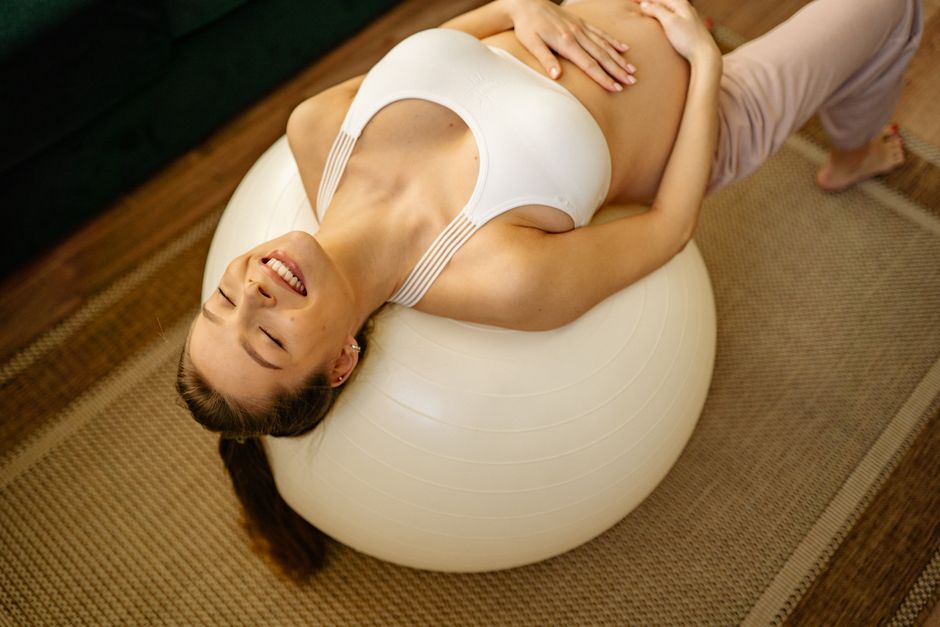
In this article, we’ll explore: Perineal muscle strength as a predictor of stress urinary incontinence among young parous women in Mangaluru India and why it matters today.
Related:
👉 More Than Just Muscle: Why Creatine is the Wellness World’s Best Kept Secret
👉 Why Young Moms in Mangaluru Are Talking About Pelvic Health: Understanding Perineal Muscle Strength and SUI
👉 Why Her Health Changes Everything: Diving Into the BcozSheMatters Campaign
Imagine you’re enjoying a beautiful evening walk at Panambur Beach with your toddler. The sun is setting, the air is salty, and your little one does something absolutely hilarious. You burst out laughing, but suddenly, you feel a sharp pang of anxiety. That familiar, tiny “leak” has happened again. You quickly cross your legs, your face flushes, and the joy of the moment is replaced by a quiet sense of shame.
If this sounds like you, please know that you are not alone. In the vibrant coastal city of Mangaluru, thousands of young mothers—women in their 20s and 30s—are quietly dealing with Stress Urinary Incontinence (SUI). For a long time, we’ve been told that this is just a “part of being a mother.” But the truth is, it doesn’t have to be your “new normal.”
Recent health discussions have highlighted a crucial factor in this journey: perineal muscle strength as a predictor of stress urinary incontinence among young parous women in Mangaluru India. Today, we’re going to break down what that means, why it matters for our local community, and how you can take back control of your body.
What Exactly is Stress Urinary Incontinence (SUI)?
Before we dive into the science, let’s clear up the name. “Stress” in this context doesn’t mean emotional stress (though leaking can certainly be stressful!). It refers to physical pressure. SUI is the involuntary loss of urine when you cough, sneeze, laugh, jump, or lift something heavy.
For young “parous” women—a medical term for women who have given birth—the body goes through incredible changes. While childbirth is a miracle, it places immense pressure on the pelvic floor. Think of your pelvic floor as a sturdy hammock made of muscles (the perineal muscles) that holds your bladder, uterus, and bowel in place. When that hammock sags or loses its snap, things start to leak.
The “Silent” Issue in Mangaluru
In our culture, particularly in regions like coastal Karnataka, women are often the backbone of the family. We manage households, excel in careers, and care for elders. In the midst of all this, postpartum health often takes a backseat. Many young moms in Mangaluru feel embarrassed to discuss “down there” issues with their doctors, often waiting until the problem affects their quality of life before seeking help.
The Connection: Perineal Muscle Strength as a Predictor
Why do some women experience SUI after one child, while others have three children and feel fine? The answer often lies in the strength and “tone” of the perineal muscles. Research focusing on perineal muscle strength as a predictor of stress urinary incontinence among young parous women in Mangaluru India shows a direct correlation: the weaker these muscles are, the higher the likelihood of experiencing leaks.
By measuring this strength, healthcare providers can actually predict who is at risk. This is a game-changer because it moves us from “treating a problem” to “preventing a problem.” If we can identify weakness early, we can intervene before the first sneeze-leak even happens.
Why Focus on Young Women?
We often associate incontinence with the elderly, but the reality in Mangaluru is different. Young mothers are active. They are heading back to gyms in Bejai, walking in Kadri Park, and chasing toddlers. When SUI hits a woman in her late 20s, it impacts her confidence, her fitness journey, and even her intimacy. Identifying muscle weakness as a predictor allows young women to stay active and confident during their most vibrant years.
Real-Life Example: Kavitha’s Journey
Take Kavitha, a 29-year-old software professional living in Surathkal. After her second baby, she noticed she couldn’t join her friends for their weekend badminton games. Every time she lunged for the shuttlecock, she experienced a leak. She thought it was just a side effect of her C-section.
After reading about how perineal muscle strength acts as a predictor for SUI, she visited a pelvic floor physiotherapist in Mangaluru. They used a simple assessment to check her muscle “squeeze” power. It turned out her muscles weren’t just weak; they had forgotten how to coordinate. With three months of targeted exercises, Kavitha was back on the court, leak-free.
Factors That Weaken the Perineal Muscles
In the context of Mangaluru’s lifestyle, several factors can contribute to weakened pelvic health:
- Multiple Pregnancies: Each pregnancy adds cumulative strain to the pelvic floor.
- Long Labor: Extended periods of pushing can stretch the nerves and muscles of the perineum.
- Heavy Lifting: Whether it’s carrying heavy grocery bags from the local market or lifting a growing toddler, constant pressure wears down the “hammock.”
- Chronic Cough: With the humidity and occasional dust in developing urban areas, chronic allergies or coughs can put repetitive “stress” on the bladder.
- Lack of Postpartum Rehab: In India, we have many traditions for the “40-day” postpartum period, but specific muscle rehabilitation is rarely one of them.
How is Muscle Strength Measured?
You might be wondering, “How do they even know if my muscles are strong enough?” Doctors and physiotherapists use a few different methods:
1. Digital Palpation
A trained professional uses a manual check to feel the strength, endurance, and lift of the pelvic floor muscles. It sounds intimidating, but it’s a standard, painless medical assessment.
2. Perineometry
This involves a small device that measures the actual pressure exerted when you “squeeze.” It gives a numerical value, making it easy to track progress over time.
3. Biofeedback
This uses sensors to show you on a screen exactly when your muscles are contracting. It’s like a video game for your pelvic floor!
Breaking the Stigma in Our Community
One of the biggest hurdles in Mangaluru isn’t the lack of medical facilities—we have some of the best hospitals in the country—it’s the silence. We need to start talking about perineal muscle strength as a predictor of stress urinary incontinence among young parous women in Mangaluru India at our kitty parties, our family gatherings, and our doctor visits.
When we treat pelvic health with the same importance as heart health or dental health, we empower women to seek help early. There is no “shame” in a muscle that needs training.
Actionable Steps for Young Moms
If you suspect your pelvic floor isn’t as strong as it should be, here are some steps you can take today:
- The “Knack” Technique: Before you sneeze or cough, consciously squeeze your pelvic floor muscles. This provides extra support to the bladder.
- Consult a Specialist: Look for a pelvic floor physiotherapist in Mangaluru. They are experts in this specific field.
- Watch Your Posture: Slouching puts extra pressure on your bladder. Sitting tall helps your pelvic muscles work more effectively.
- Stay Hydrated: It sounds counterintuitive, but drinking less water makes your urine more concentrated, which can irritate the bladder and make SUI worse.
Key Takeaways
- SUI is common, but not normal: Just because other moms experience it doesn’t mean you have to live with it.
- Muscle strength is the key: Perineal muscle strength is the single best predictor of whether you will suffer from SUI.
- Early detection matters: Identifying weakness in your 20s or 30s can prevent major issues in your 50s.
- Mangaluru has resources: Our city has excellent healthcare providers; don’t be afraid to use them.
- Exercise works: Targeted pelvic floor training (Kegels and beyond) has a very high success rate.
Frequently Asked Questions (FAQ)
1. Can I have SUI even if I had a C-section?
Yes. While vaginal delivery can stretch the muscles, the weight of the baby during nine months of pregnancy is often what weakens the pelvic floor in the first place. C-section moms are still at risk.
2. Is it too late to start exercises if my child is already five years old?
It is never too late! Muscles can be trained and strengthened at any age. While the “predictor” phase might have passed, the “recovery” phase is always open.
3. How long does it take to see results from pelvic floor exercises?
Most women start to notice a difference in their “leak frequency” within 6 to 12 weeks of consistent, correct exercise.
4. Does diet affect SUI in Mangaluru?
Indirectly, yes. Spicy foods and excessive caffeine (common in our local diet) can irritate the bladder, making the urge to go more frequent, which puts more pressure on weak muscles.
5. Can I just do Kegels on my own?
You can, but many women do them incorrectly (by holding their breath or squeezing their thighs instead). A one-time consultation with a pro can ensure you’re targeting the right muscles.
Conclusion
Your journey through motherhood is a marathon, not a sprint. To keep running that race with joy, you need a strong foundation—literally. By understanding perineal muscle strength as a predictor of stress urinary incontinence among young parous women in Mangaluru India, you are taking the first step toward a drier, more confident, and more active life.
Next time you’re at the beach or a wedding hall in Mangaluru, don’t let the fear of a leak hold back your laughter. Your body is capable of healing, and your strength is within your reach. Let’s break the silence and lift each other up!
Written with love and assistance and refined for quality.
🔗 Related: Yes Creatine Can Help With StrengthBut…