In this article, we’ll explore: 8 Foods To Avoid With an Upset Stomachand What To Eat Instead and why it matters today.
Related:
👉 The Inner Symphony: Understanding How Hormones Shape Women's Vulnerability to Traumatic Stress
👉 Unpacking the Invisible Links: Hormonal Mechanisms of Women's Risk in the Face of Traumatic Stress
👉 Stomach Groaning? Here Are the 8 Foods To Avoid With an Upset Stomach and What To Eat Instead (Your Gut Will Thank You!)
Learn more: 8 Foods To Avoid With an Upset Stomachand What To Eat Instead on Google Search
Ah, the dreaded upset stomach. We’ve all been there, haven’t we? That familiar gurgle, the sudden cramp, the feeling of nausea creeping in. It’s a truly miserable experience that can throw a wrench into your entire day. Whether it’s a fleeting discomfort after a questionable meal, a bout of food poisoning, or a lingering issue, when your stomach isn’t happy, neither are you.
In those moments, the last thing you want is to make things worse. But sometimes, in our desperation for comfort, we reach for the wrong things, inadvertently prolonging our suffering. You might think a little chocolate will make you feel better, or a fizzy drink will settle your tummy, but often, these choices backfire. That’s why understanding what to put into your body – and what to steer clear of – is crucial when your digestive system is in distress.
This isn’t just about avoiding more pain; it’s about giving your body the best chance to heal and recover. Think of your stomach as a delicate ecosystem. When it’s upset, it needs gentle care, not a shockwave. So, let’s dive into the nitty-gritty of 8 Foods To Avoid With an Upset Stomach and What To Eat Instead, so you can navigate those tricky times with confidence and get back to feeling like yourself again.
The Culprits: 8 Foods That Worsen an Upset Stomach
When your stomach is feeling tender, certain foods can act like gasoline on a fire. They irritate the lining, increase acid production, cause gas, or are simply too difficult for your compromised digestive system to break down. Here are the top offenders you should avoid:
1. Spicy Foods
Oh, how we love a good kick of chili! But when your stomach is already grumbling, those fiery capsaicin compounds that give peppers their heat can irritate the delicate lining of your stomach and intestines. This can exacerbate heartburn, stomach pain, and even lead to diarrhea. Imagine trying to soothe a sunburn with hot sauce – that’s essentially what you’re doing to your insides!
- What to Eat Instead: Stick to bland, non-spicy options. Think plain rice, boiled chicken, or a simple potato.
2. Fatty and Fried Foods
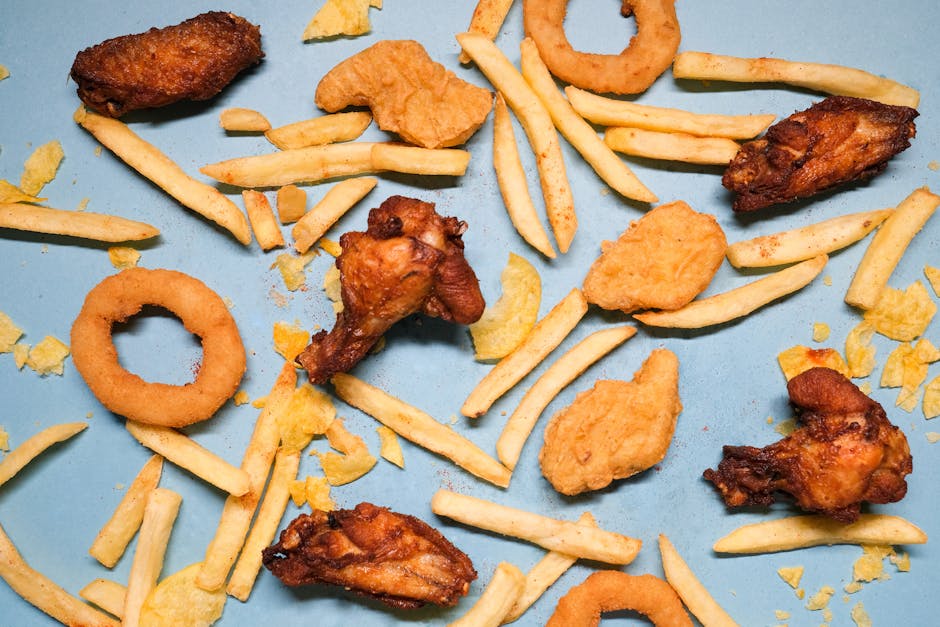
Greasy burgers, crispy fries, deep-fried chicken – they might be delicious when you’re feeling great, but they are a nightmare for an upset stomach. High-fat foods are much harder to digest and take longer to move through your digestive system. This can lead to increased nausea, indigestion, and a feeling of heavy fullness that just won’t quit. I once made the mistake of eating a greasy pizza when I had a mild stomachache, thinking the comfort food would help. Spoiler alert: it did not. I felt twice as bad!
- What to Eat Instead: Opt for lean proteins like baked chicken or fish, or easily digestible carbohydrates like plain toast or oatmeal.
3. Acidic Foods and Drinks
Citrus fruits (oranges, lemons, grapefruit), tomatoes, and tomato-based products (pasta sauce, ketchup) are highly acidic. While they’re packed with vitamins, their acidity can trigger or worsen acid reflux and irritate an already inflamed stomach lining. Even a glass of orange juice, which seems like a healthy choice, can be a painful mistake when your stomach is sensitive.
- What to Eat Instead: Bananas, applesauce, or mild vegetables like boiled carrots are much gentler on your system.
4. Caffeinated Beverages
Your morning coffee might be your lifeblood, but when your stomach is protesting, it’s best to take a break. Caffeine is a stimulant that can increase stomach acid production and act as a laxative, potentially worsening diarrhea and stomach cramps. That jolt of energy comes at a cost to your distressed gut.
- What to Eat Instead: Herbal teas like ginger tea (excellent for nausea) or chamomile tea (calming) are far better choices. Water is always king!
5. Alcohol
This one might seem obvious, but it’s worth reiterating. Alcohol is a known irritant to the stomach lining. It can increase stomach acid, cause inflammation, and dehydrate you, all of which are detrimental when your digestive system is already struggling. Even a small amount can set back your recovery significantly. Think of your stomach trying to heal, and then you pour alcohol on it – not a good combo.
- What to Eat Instead: Stick to water, clear broths, or rehydration solutions to help replenish fluids and electrolytes.
6. Dairy Products (Especially for Lactose Intolerance)
Milk, cheese, and ice cream contain lactose, a sugar that many people struggle to digest, especially when their gut is compromised. Even if you’re not typically lactose intolerant, an upset stomach can temporarily reduce your body’s ability to produce the enzyme lactase, leading to bloating, gas, and diarrhea. It’s a common culprit for many.
- What to Eat Instead: If you need some calcium, try lactose-free milk alternatives or small amounts of plain, unsweetened yogurt with live cultures (if tolerated, as probiotics can sometimes help). Otherwise, stick to non-dairy options.
7. Processed Sugary Foods and Artificial Sweeteners
Candies, pastries, sodas, and foods laden with high fructose corn syrup or artificial sweeteners can wreak havoc. Large amounts of sugar can draw water into your intestines, leading to diarrhea. Artificial sweeteners, like sorbitol and xylitol, are notorious for causing gas, bloating, and laxative effects in many people, even those with healthy stomachs. They feed bad bacteria in the gut, too.
- What to Eat Instead: If you crave something sweet, a ripe banana or a small amount of applesauce can satisfy without the negative side effects.
8. Carbonated Beverages
While a cold soda might seem refreshing, the bubbles in carbonated drinks can introduce excess air into your digestive system, leading to bloating, gas, and discomfort. The sugar content (as mentioned above) also doesn’t help. It’s like inflating a balloon in an already cramped space – not fun for your tummy.
- What to Eat Instead: Plain water, still water with a slice of ginger, or herbal teas are your best friends.
What to Eat Instead: Your Stomach’s Best Friends
Now that we know what to avoid, let’s talk about the good stuff – the foods that can actually help soothe your stomach and promote healing. The general rule of thumb is bland, easy-to-digest foods that won’t put extra strain on your digestive system. Think of the “BRAT” diet, but expanded:
- Bananas: Easy to digest, provide potassium (often lost during vomiting/diarrhea), and can help firm up stool.
- Rice: Plain white rice is low in fiber and easy to digest. It helps bind stool and provides simple carbohydrates for energy.
- Applesauce: Cooked apples are easier to digest than raw ones. Applesauce provides pectin, which can help calm the gut.
- Toast: Plain white toast (without butter or jam) is a simple carbohydrate that is easy on the stomach.
- Ginger: Fresh ginger, whether steeped in hot water as a tea or chewed in small amounts, is a natural anti-emetic and can significantly help with nausea.
- Clear Broths: Chicken or vegetable broth can help rehydrate you and provide essential electrolytes and nutrients without putting stress on your digestive system.
- Herbal Teas: Chamomile and peppermint teas are known for their calming and anti-spasmodic properties, which can ease stomach cramps and nausea.
- Boiled or Baked Lean Protein: Once you can tolerate solids, plain boiled or baked chicken breast or fish (like cod or sole) can provide necessary protein without added fats or spices.
- Crackers: Plain saltine crackers can help absorb stomach acid and settle nausea.
Key Takeaways for a Happy Tummy
- Listen to Your Body: Everyone is different. Pay attention to how certain foods make you feel.
- Go Bland: When in doubt, choose plain, unprocessed, low-fat foods.
- Stay Hydrated: Water, clear broths, and electrolyte solutions are vital, especially if you’ve been vomiting or experiencing diarrhea.
- Eat Small, Frequent Meals: Don’t overload your digestive system. Smaller portions are easier to handle.
- Don’t Rush Recovery: Reintroduce foods slowly. If a food causes discomfort, hold off on it for a bit longer.
- Ginger is Your Friend: Keep fresh ginger or ginger tea on hand for nausea.
Frequently Asked Questions About Upset Stomachs and Food
Q1: How long should I stick to bland foods?
Generally, it’s best to stick to bland foods for at least 24-48 hours after your symptoms have improved. Gradually reintroduce your regular diet, one food at a time, to see how your body reacts. If symptoms return, go back to bland foods for a bit longer.
Q2: Can probiotics help an upset stomach?
Yes, sometimes. Probiotics can help restore the balance of good bacteria in your gut, which can be beneficial after a stomach upset, especially if it was caused by an infection or antibiotics. However, introduce them slowly, perhaps through plain yogurt or a supplement, and see how you tolerate them. Some people find them helpful, while others might experience temporary gas or bloating.
Q3: Is it okay to eat when I have an upset stomach, or should I fast?
If you’re experiencing severe nausea or vomiting, a short period of fasting (a few hours) might be necessary to let your stomach settle. However, prolonged fasting isn’t recommended. Once you can tolerate fluids, start with sips of water or clear broth. As soon as you feel a little better, introduce very bland foods like crackers or toast to provide energy and help your body recover. Listen to your body’s cues.
Q4: What if I’m still feeling unwell after a few days?
If your symptoms are severe, don’t improve after a couple of days, or are accompanied by a high fever, severe pain, or blood in your stool, it’s crucial to seek medical attention. These could be signs of a more serious underlying condition that requires professional diagnosis and treatment.
Navigating an upset stomach can be tricky, but by being mindful of what you eat and drink, you can significantly ease your discomfort and speed up your recovery. Remember, your body is working hard to heal, and giving it the right fuel (or avoiding the wrong one) is one of the kindest things you can do for it. Here’s to a happier, healthier gut!
Written with love and assistance and refined for quality.
{“@context”:”https://schema.org”,”@type”:”Article”,”headline”:”Soothing Your Tummy: 8 Foods To Avoid With an Upset Stomach and What To Eat Instead for a Happier Gut”,”description”:”In this article, weu2019ll explore: 8 Foods To Avoid With an Upset Stomachand What To Eat Instead and why it…”,”author”:{“@type”:”Person”,”name”:”rahuljait”},”datePublished”:”2026-05-12T23:43:14+00:00″,”dateModified”:”2026-05-12T23:43:14+00:00″,”mainEntityOfPage”:”https://healthyworldz.com/soothing-your-tummy-8-foods-to-avoid-with-an-upset-stomach-and-what-to-eat-instead-for-a-happier-gut/”,”image”:[“https://healthyworldz.com/wp-content/uploads/2026/05/8-foods-to-avoid-with-an-upset-stomachand-what-to-eat-instead-34.jpg”]}
🔗 Related: Hormonal mechanisms of womens risk in…
🔗 Related: Hormonal mechanisms of womens risk in…
🔗 Related: Hormonal mechanisms of womens risk in…