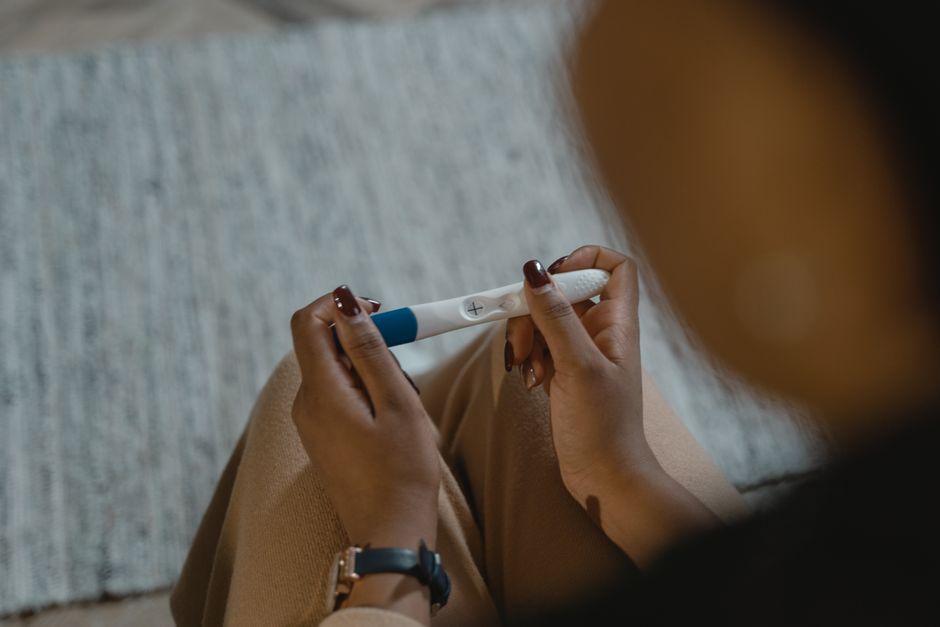
In this article, we’ll explore: Women with polycystic ovary syndrome exhibit impaired endometrial receptivity with excessive ER and histone lactylation and why it matters today.
Related:
👉 Beyond the Silence: Why Perineal Muscle Strength Matters for Young Mothers in Mangaluru
👉 Beyond the Leak: Understanding Perineal Muscle Strength and Pelvic Health for Young Moms in Mangaluru
👉 Why Getting Pregnant with PCOS is So Complicated: New Insights into Endometrial Receptivity
For many women, the journey to motherhood feels like a clear, paved road. But for those living with Polycystic Ovary Syndrome (PCOS), that road often feels like a winding path through a thick fog. If you’ve ever sat in a doctor’s office feeling overwhelmed by talk of hormones, insulin, and “irregular cycles,” you aren’t alone. Millions of women share this struggle.
We’ve known for a long time that PCOS makes it harder to ovulate. But even when ovulation happens—perhaps with the help of medication—many women still face challenges with getting an embryo to “stick.” Scientists have been digging deep into why this happens, and a groundbreaking discovery has recently come to light. It turns out that women with polycystic ovary syndrome exhibit impaired endometrial receptivity with excessive ER and histone lactylation.
Now, I know that sounds like a mouthful of medical jargon. But behind those complex words is a story about how the environment inside the uterus changes in PCOS, and more importantly, how we might be able to fix it. Let’s break it down into plain English and explore what this means for your fertility journey.
The Garden Metaphor: Seed vs. Soil
To understand pregnancy, think of a garden. For a beautiful flower to grow, you need two things: a healthy seed (the embryo) and nutrient-rich, welcoming soil (the endometrium, or the lining of the uterus).
In the world of fertility treatments, we spend a lot of time focusing on the seed. We track ovulation, we use IVF to create strong embryos, and we check genetic health. But even the best seed in the world won’t grow if the soil isn’t ready. This “readiness” of the soil is what doctors call endometrial receptivity.
In women with PCOS, the “soil” often becomes less receptive. It’s as if the garden has the wrong pH balance or too much of one specific fertilizer, making it difficult for the embryo to plant its roots. The latest research tells us that two main culprits are behind this: excessive Estrogen Receptors (ER) and a process called histone lactylation.
The Problem with “Too Much” Estrogen Signal
Estrogen is usually the hero of the female reproductive cycle. It helps build up the uterine lining. However, in the body, balance is everything.
Think of Estrogen Receptors (ER) like satellite dishes on the surface of your cells. They are waiting to catch the “estrogen signal” to tell the cell what to do. In a typical cycle, these levels rise and fall perfectly to prepare the uterus for an embryo.
However, research has shown that women with polycystic ovary syndrome exhibit impaired endometrial receptivity with excessive ER. Essentially, the uterus has too many “satellite dishes” catching too much signal at the wrong time. This over-sensitivity creates a chaotic environment. Instead of the lining becoming a soft, welcoming “nest,” it remains in a state that isn’t quite right for implantation. It’s like a song played so loudly that you can’t hear the melody anymore.
Why is excessive ER a problem?
- Timing issues: The “window of implantation” is very short. Excessive ER can shift this window or close it entirely.
- Cellular confusion: When estrogen signaling is too high, it can prevent the lining from transitioning into the “progesterone phase,” which is vital for pregnancy.
- Inflammation: High estrogen activity can sometimes trigger inflammatory responses that make the uterus less hospitable.
What on Earth is Histone Lactylation?
This is where the science gets really interesting—and a bit futuristic. To understand histone lactylation, we have to look at how our genes are controlled.
Inside your cells, your DNA is wrapped around proteins called histones, like thread around a spool. For a gene to be “turned on,” the thread has to be unwound. To do this, the body uses “tags” to tell the histones when to loosen up or tighten.
Lactylation is a relatively new discovery in the world of biology. It happens when lactic acid (lactate)—the same stuff that builds up in your muscles when you run a marathon—attaches to those histones.
In women with PCOS, there is often a metabolic imbalance. This leads to higher levels of lactate in the uterine environment. This lactate then “tags” the histones (histone lactylation) in a way that changes which genes are turned on or off. Specifically, it seems to turn off the genes that help the embryo attach to the uterine wall.
So, when we say women with polycystic ovary syndrome exhibit impaired endometrial receptivity with excessive ER and histone lactylation, we are saying that a combination of hormonal over-sensitivity and metabolic “tags” is essentially locking the door to the embryo.
Real-World Example: Sarah’s Story
Let’s look at Sarah. Sarah is 31 and has struggled with PCOS since her teens. She finally decided to try for a baby and worked with a specialist to trigger ovulation. Her bloodwork looked good, and her ultrasounds showed she was producing healthy eggs.
But cycle after cycle, nothing happened. Sarah felt broken. “If I’m ovulating, why isn’t it working?” she asked.
What Sarah didn’t realize was that while her “seeds” were now healthy, her “soil” was struggling. Because of her PCOS, her uterine lining was experiencing that “excessive ER” and “histone lactylation” we talked about. Her body was sending too many signals to the lining at the wrong time, and the metabolic buildup of lactate was preventing the “welcome” genes from activating.
Understanding this didn’t just give Sarah an answer; it gave her a new strategy. Instead of just focusing on ovulation, her doctors started looking at her metabolic health and ways to balance her uterine environment before the next transfer.
How Can We Improve Endometrial Receptivity?
While the research into histone lactylation is still evolving, the fact that we’ve identified it as a hurdle is a huge win. It moves us away from “unexplained infertility” and toward targeted solutions. Here are some ways the medical community is looking to help women with PCOS overcome these uterine challenges:
1. Metabolic Management
Since lactate is a byproduct of metabolism, managing insulin resistance is key. This is why medications like Metformin or supplements like Inositol are so often recommended for PCOS. By improving how the body handles sugar and energy, we may be able to reduce the “lactate tags” on the DNA.
2. Hormonal Balancing
To address the “excessive ER,” doctors may use specific protocols during IVF or medicated cycles to ensure estrogen levels don’t skyrocket too early. This helps keep the “satellite dishes” from being overwhelmed.
3. Anti-Inflammatory Diet
While diet isn’t a “cure,” reducing systemic inflammation can help create a calmer environment in the uterus. Many women find success with a Mediterranean-style diet rich in omega-3s, which supports cellular health.
4. Lifestyle and Movement
Moderate exercise helps the body process lactate more efficiently. It’s not about intense, grueling workouts (which can sometimes increase stress hormones), but consistent, joyful movement like walking, yoga, or swimming.
Key Takeaways
- It’s not just about ovulation: Getting pregnant with PCOS requires both a healthy egg and a receptive uterine lining.
- The “Soil” Challenge: Women with polycystic ovary syndrome exhibit impaired endometrial receptivity with excessive ER and histone lactylation, making it harder for embryos to implant.
- The Role of ER: Too many estrogen receptors cause the uterine lining to be “over-stimulated,” which disrupts the timing of the implantation window.
- The Role of Lactate: Metabolic byproducts can “tag” DNA through histone lactylation, turning off the genes necessary for a successful pregnancy.
- There is hope: Identifying these specific pathways allows doctors to create more personalized treatment plans that focus on the uterine environment.
The Future of PCOS Fertility
The discovery that women with polycystic ovary syndrome exhibit impaired endometrial receptivity with excessive ER and histone lactylation is a game-changer. For years, the focus was almost entirely on the ovaries. Now, the spotlight is shifting to the uterus, and that is a very good thing.
We are entering an era of “Precision Fertility.” Instead of a one-size-fits-all approach, we can start to look at the molecular level of the endometrium. New tests are being developed to check for these specific markers, allowing women to know if their “soil” is ready before they even attempt a transfer.
If you are struggling with PCOS and infertility, don’t lose heart. The science is catching up to your experience. By understanding the roles of estrogen receptors and histone modifications, we are opening new doors to successful pregnancies and healthy babies.
Frequently Asked Questions
Does every woman with PCOS have this issue?
Not necessarily. PCOS is a spectrum. Some women have very mild symptoms and conceive easily, while others face more significant challenges with receptivity. However, this research helps explain why even “perfect” cycles sometimes don’t result in pregnancy.
Can I test for histone lactylation?
Currently, testing for histone lactylation is mostly done in research settings. However, endometrial receptivity tests (like the ERA test) are available in many fertility clinics to help determine the best timing for embryo transfer.
Will Metformin help with endometrial receptivity?
Many studies suggest that Metformin can improve the uterine environment in women with PCOS by balancing insulin and potentially reducing the metabolic imbalances that lead to excessive lactylation.
Is “excessive ER” the same as “estrogen dominance”?
They are related but different. Estrogen dominance usually refers to the ratio of estrogen to progesterone in the blood. Excessive ER refers to the number of receptors inside the tissue of the uterus, making it over-sensitive to whatever estrogen is present.
What is the most important thing I can do right now?
Talk to a reproductive endocrinologist who stays up-to-date on the latest PCOS research. Focus on your metabolic health, as this has a direct impact on the chemical “tags” in your uterine lining.
Written with love and assistance and refined for quality.
🔗 Related: BcozSheMatters: WHO Health Ministry roll out…
🔗 Related: A perfect storm for bone loss…
🔗 Related: Period poverty: A global menstrual health…