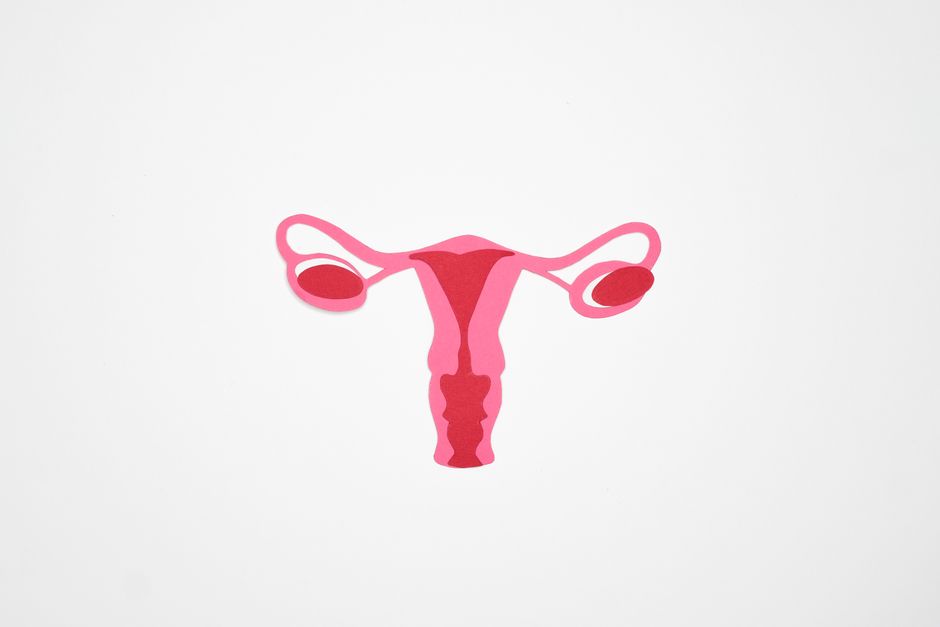
In this article, we’ll explore: Women with polycystic ovary syndrome exhibit impaired endometrial receptivity with excessive ER and histone lactylation and why it matters today.
Related:
👉 Why Getting Pregnant with PCOS is So Complicated: The New Science of Endometrial Receptivity and Histone Lactylation
👉 Tech giant Palantir posts otherworldly growth despite criticism over Gaza
👉 Why Getting Pregnant with PCOS is More Than Just About Eggs: Understanding Endometrial Receptivity
For many women, the journey to motherhood feels like a straightforward path. But for those living with Polycystic Ovary Syndrome (PCOS), that path often feels more like a maze with shifting walls. If you’ve been struggling to conceive, you’ve likely heard a lot about ovulation, egg quality, and hormone levels. But there is another piece of the puzzle that scientists are finally starting to decode: the environment where the baby actually grows.
Recent breakthroughs have shed light on a specific reason why pregnancy can be so elusive for those with this condition. A groundbreaking study has shown that women with polycystic ovary syndrome exhibit impaired endometrial receptivity with excessive ER and histone lactylation. I know that sounds like a mouthful of medical jargon, but it’s actually a massive clue that could change how we approach fertility treatments in the future.
In this post, we’re going to break down this complex science into plain English. We’ll look at why the “soil” of the uterus matters just as much as the “seed” of the embryo, and what this new discovery means for you.
The “Seed and the Soil” Analogy
To understand fertility, think of an embryo as a tiny, precious seed. For that seed to grow into a healthy plant, you need two things: a high-quality seed and nutrient-rich, welcoming soil. For years, fertility specialists focused heavily on the seed—the egg and the embryo. We’ve become very good at IVF and selecting the best embryos. However, even with a perfect embryo, many women with PCOS still face implantation failure.
This is where “endometrial receptivity” comes in. The endometrium is the lining of your uterus. Every month, it undergoes a transformation to become “receptive”—basically, it rolls out the red carpet for an embryo to land and stick. In women with PCOS, that red carpet often stays rolled up, or worse, it’s just not ready for guests. This is what we call “impaired receptivity.”
The Problem with the “Window of Implantation”
The uterus isn’t receptive all the time. There is a very specific “Window of Implantation” that usually happens about 6 to 10 days after ovulation. During this time, the uterine lining changes its molecular structure to allow the embryo to attach. In PCOS, research shows that this window is often disrupted. Even if you are ovulating, the lining might not be “listening” to the signals that tell it to prepare for the embryo.
What is ER and Why Does “Excessive” Matter?
One of the key players in this story is the Estrogen Receptor (ER). Estrogen is a vital hormone, but in the world of biology, timing and balance are everything. Think of the Estrogen Receptor like a light switch. In the first half of your cycle, you want that switch “on” to help the uterine lining grow and thicken.
However, for the embryo to actually implant, that “switch” needs to be turned down or modified. If there is excessive ER (too many of these switches staying active), the lining stays in a state of constant growth and never matures into the “receptive” state. It’s like a construction crew that keeps building the walls of a house but forgets to put in the doors and windows so the owner can move in.
The New Discovery: Histone Lactylation
This is where the science gets really interesting—and a bit futuristic. You might have heard of “lactate” or “lactic acid” in the context of a hard workout at the gym. When your muscles work hard, they produce lactate. But did you know your cells produce lactate as part of their normal metabolism, too?
Scientists have discovered a process called histone lactylation. To put it simply, histones are proteins that act like spools for your DNA. They help package your genetic code. “Lactylation” is a process where lactate attaches to these histones, acting like a “sticky note” that tells your genes what to do.
The study found that in women with PCOS, there is an abnormally high level of this histone lactylation in the uterine lining. This “sticky note” essentially tells the body to keep producing more and more Estrogen Receptors. This creates a vicious cycle:
- High levels of lactate lead to more histone lactylation.
- Histone lactylation keeps the Estrogen Receptor (ER) levels too high.
- Excessive ER prevents the uterine lining from becoming receptive.
- The embryo cannot implant, leading to infertility or early pregnancy loss.
A Real-World Example: Sarah’s Story
To put this into perspective, let’s look at a hypothetical patient named Sarah. Sarah has PCOS and has been trying to get pregnant for three years. She’s done everything “right.” She changed her diet, she’s taking Metformin to manage her insulin, and she even went through a round of IVF that produced three high-quality embryos.
Despite transferring two of those embryos, neither one resulted in a pregnancy. Her doctor was puzzled because her lining looked “thick enough” on the ultrasound. But thickness isn’t the same as receptivity. Under the surface, Sarah’s uterine lining was experiencing that excessive ER and histone lactylation we talked about. Her “soil” was thick, but it wasn’t welcoming. Understanding this science helps Sarah realize that the failure wasn’t her fault—it was a molecular “traffic jam” in her uterine environment.
Why Does This Happen in PCOS?
You might be wondering: Why me? Why does PCOS cause this specific issue? The answer likely lies in metabolism. PCOS is deeply connected to how our bodies process sugar and insulin. Many women with PCOS have “metabolic reprogramming” in their cells.
Because the cells in the uterine lining of a woman with PCOS often process glucose (sugar) differently, they produce an excess of lactate. This excess lactate is the fuel for the histone lactylation process. It’s a perfect example of how a systemic metabolic issue (PCOS) can have a very specific, localized effect on a single organ (the uterus).
The Role of Insulin Resistance
Insulin resistance is a hallmark of PCOS. When your cells don’t respond to insulin properly, your body tries to compensate by producing more. This hormonal chaos affects everything, including the delicate chemical balance in the endometrium. This new research suggests that the metabolic “noise” of PCOS is directly responsible for the “sticky notes” (lactylation) that keep the uterine lining from maturing properly.
What Does This Mean for Future Treatments?
The most exciting part of this discovery is that it gives us a new target. If we know that women with polycystic ovary syndrome exhibit impaired endometrial receptivity with excessive ER and histone lactylation, we can start looking for ways to fix it.
- Metabolic Interventions: If we can improve how the uterine cells use energy, we might be able to lower lactate levels and reduce lactylation.
- Targeted Medications: In the future, we may see drugs specifically designed to “wipe off” those histone sticky notes or dampen the Estrogen Receptor at the exact right time in the cycle.
- Better Diagnostic Tools: We might move beyond simple ultrasounds and start testing the molecular “readiness” of the lining before an embryo transfer.
Key Takeaways
- It’s not just about ovulation: PCOS affects the uterine lining, making it harder for an embryo to stick even if you are ovulating.
- The “Receptivity” Factor: Endometrial receptivity is the window of time when the uterus is ready for pregnancy. In PCOS, this window is often closed.
- Too Much Estrogen Receptor: High levels of ER at the wrong time prevent the lining from maturing.
- The Lactate Connection: Metabolic issues in PCOS lead to “histone lactylation,” which is the mechanism that keeps those ER levels too high.
- Hope for the Future: This research opens doors for new treatments that focus on the “soil” rather than just the “seed.”
Frequently Asked Questions (FAQ)
1. Can I still get pregnant if I have PCOS?
Absolutely. Many women with PCOS go on to have healthy pregnancies. Understanding these molecular hurdles just helps doctors find better ways to support your body through the process, whether through lifestyle changes, medication, or assisted reproductive technology.
2. Does a thick uterine lining mean I am receptive?
Not necessarily. An ultrasound can show that the lining is thick, but it cannot see the molecular changes like histone lactylation or ER levels. You can have a thick lining that is still not “receptive” to an embryo.
3. How can I lower lactate levels in my body?
While we are still learning how to target the uterus specifically, general metabolic health is key. Managing insulin resistance through a balanced diet, regular exercise, and medications like Metformin (under a doctor’s supervision) can help improve your overall metabolic profile.
4. Is there a test for histone lactylation?
Currently, this is primarily a focus of advanced research studies. However, there are tests like the ERA (Endometrial Receptivity Analysis) that look at gene expression in the lining to help time embryo transfers more accurately.
5. Does this discovery change how IVF is done?
It is beginning to! It highlights why “frozen embryo transfers” are often more successful for women with PCOS. By freezing the embryos and preparing the lining in a separate, controlled cycle, doctors can sometimes bypass the hormonal chaos of an egg retrieval cycle.
Final Thoughts
Science is finally catching up to the lived experience of women with PCOS. For too long, “unexplained” implantation failure has been a source of heartbreak. By identifying that women with polycystic ovary syndrome exhibit impaired endometrial receptivity with excessive ER and histone lactylation, researchers have given us a map to a new destination.
If you are struggling, remember that your body isn’t “broken”—it’s just operating with a very complex set of biological instructions. As we learn to rewrite those instructions, the dream of motherhood becomes more attainable for everyone.
Written with love and assistance and refined for quality.
🔗 Related: BcozSheMatters: WHO Health Ministry roll out…
🔗 Related: A perfect storm for bone loss…
🔗 Related: Period poverty: causes and related issues