In this article, we’ll explore: Yes Creatine Can Help With StrengthBut Its Wellness Benefits Go Way Beyond The Gym and why it matters today.
Related:
👉 Why Every Woman’s Health Is a Global Priority: Diving Into the #BcozSheMatters Campaign
👉 Understanding PCOS and Pregnancy: Why the Uterine Lining Matters More Than You Think
👉 Yes Creatine Can Help With StrengthBut Its Wellness Benefits Go Way Beyond The Gym
Learn more: Yes Creatine Can Help With StrengthBut Its Wellness Benefits Go Way Beyond The Gym on Investopedia
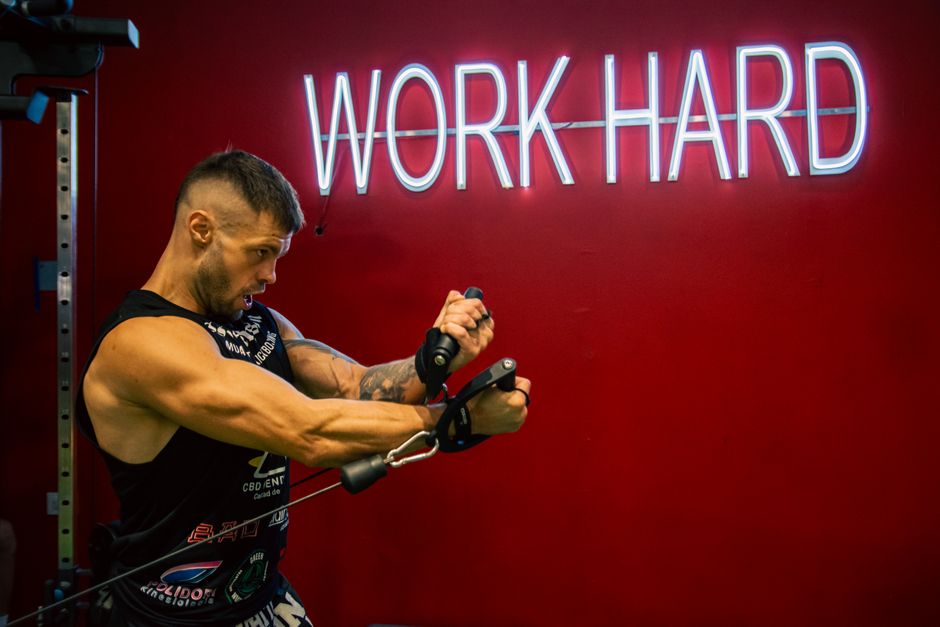
If you walked into a local supplement shop ten years ago, you’d likely see a specific “type” of person hovering over the massive tubs of creatine. Usually, it was a guy in a stringer tank top looking to add five inches to his biceps. For the longest time, creatine had a reputation as the “meathead” supplement—something reserved strictly for bodybuilders and powerlifters.
But the world of nutritional science has evolved, and it’s time we set the record straight. While it is true that Yes Creatine Can Help With StrengthBut Its Wellness Benefits Go Way Beyond The Gym, we are now discovering that it might be one of the most effective longevity and wellness tools we have in our arsenal. From sharpening your focus during a long workday to protecting your brain as you age, creatine is proving to be a literal powerhouse for the entire body, not just your muscles.
In this post, we’re going to look past the heavy weights and the gym mirrors. We’ll explore why your grandmother, your accountant, and your favorite marathon runner might all benefit from this simple, safe, and incredibly effective molecule.
What Exactly Is Creatine, Anyway?
Before we dive into the “why,” let’s talk about the “what.” Creatine isn’t some synthetic chemical cooked up in a lab to give you superpowers. It is a naturally occurring compound found in your muscle cells. It’s made from three amino acids: arginine, glycine, and methionine. Your body produces it naturally in the liver, kidneys, and pancreas, and you also get it from eating things like red meat and fish.
Think of creatine as a “backup battery” for your cells. Its primary job is to help produce ATP (adenosine triphosphate), which is the primary energy currency of your body. When you do something explosive—like sprinting for a bus or lifting a heavy box—your body burns through ATP. Creatine steps in to quickly replenish that energy so you can keep going.
While most of this creatine is stored in your muscles, about 5% of it is stored in your brain. And that is where things get really interesting.
The Cognitive Edge: Creatine for Your Brain
Have you ever had those days where your brain feels like it’s stuck in a thick fog? You can’t focus, you’re forgetting where you put your keys, and that 2:00 PM meeting feels like a mountain you can’t climb. While we usually reach for a third cup of coffee, creatine might actually be the better long-term solution.
Improving Memory and Focus
Just like your muscles, your brain is an energy hog. It accounts for about 20% of your body’s total energy consumption. When you are performing complex mental tasks, your brain’s ATP levels can dip. Research has shown that supplementing with creatine can help maintain those energy levels, leading to better short-term memory and faster processing speeds.
Combating Sleep Deprivation
We’ve all been there—tossing and turning all night only to have a high-stakes day ahead. Studies have indicated that creatine can help mitigate some of the cognitive “slump” that comes from a lack of sleep. It doesn’t replace sleep, but it helps your brain function closer to its normal capacity even when you’re running on fumes.
Aging Gracefully: Protecting Your Future Self
One of the most exciting areas of research regarding creatine is its role in “healthy aging.” As we get older, we face two major hurdles: sarcopenia (loss of muscle mass) and osteopenia (loss of bone density). These aren’t just about looks; they are about independence and safety.
Fighting Muscle Wasting
Loss of muscle mass is a leading cause of falls and fractures in the elderly. By maintaining higher levels of creatine in the system, older adults can preserve more muscle tissue even with lower-intensity exercise. This means better balance, more strength to get out of a chair, and a lower risk of injury.
Bone Health
There is emerging evidence that creatine, when paired with even light resistance training, can help increase bone mineral density. For post-menopausal women or men over 60, this is a game-changer for preventing osteoporosis.
Creatine for Women: Breaking the Myths
For a long time, women were told to stay away from creatine because it would make them “bulky” or “bloated.” This is one of the most persistent myths in the wellness world. In reality, creatine is incredibly beneficial for women across various stages of life.
- Menopause Support: During menopause, the decline in estrogen can lead to a loss of muscle and bone. Creatine helps counteract this.
- Mood Regulation: Some studies suggest that women may have lower natural levels of creatine in the brain than men. Supplementing has been linked to improved mood and a reduction in symptoms of depression and anxiety.
- Pregnancy and Postpartum: While you should always consult a doctor, preliminary research suggests that creatine may support fetal development and help mothers recover faster after childbirth.
Mental Health and Emotional Well-being
We often think of mental health as purely “emotional,” but it is deeply biological. Since creatine plays a role in neurotransmitter signaling and brain energy metabolism, researchers have begun looking at it as a complementary treatment for depression.
When the brain doesn’t have enough energy to process emotions or handle stress, we feel “stuck.” By boosting the brain’s energy reserves, creatine can help people feel more resilient. It’s not a “happy pill,” but it provides the metabolic foundation that allows other therapies and lifestyle changes to work more effectively.
Real-World Example: The “Non-Athlete” Success Story
Take Sarah, a 42-year-old freelance graphic designer. Sarah doesn’t go to the gym to hit “personal bests.” She goes for a 20-minute walk and does yoga twice a week. She started taking 3 grams of creatine daily after hearing about its cognitive benefits.
After three weeks, Sarah noticed she wasn’t hitting that mid-afternoon “wall” where she usually needed a nap. She found she could stay focused on her design work for longer stretches. More importantly, she felt “sharper” during her kids’ bedtime stories. For Sarah, creatine wasn’t about a six-pack; it was about having the energy to live her life fully.
How to Use Creatine for General Wellness
If you’re convinced that Yes Creatine Can Help With StrengthBut Its Wellness Benefits Go Way Beyond The Gym, you’re probably wondering how to start. The good news is that it is one of the cheapest and easiest supplements to take.
The Right Dosage
You don’t need to do a “loading phase” (taking 20 grams a day) like bodybuilders do. For general wellness and brain health, 3 to 5 grams per day is the gold standard. It is a “saturation” supplement, meaning it takes a few weeks of consistent use to build up in your system.
Which Type Should You Buy?
Don’t get distracted by fancy labels or expensive “liquid” versions. Creatine Monohydrate is the most researched, most effective, and most affordable form. Look for a “micronized” version, as it dissolves better in water.
Common Concerns
- Does it hurt your kidneys? For healthy individuals, hundreds of studies have shown no negative impact on kidney function.
- Will I get bloated? Some people experience minor water retention in the first week, but this usually subsides. It’s water being pulled *into* your cells, which is actually a good thing for hydration!
- Does it cause hair loss? This is based on one very small, old study that has never been replicated. Current consensus among scientists is that there is no proven link between creatine and hair loss.
Key Takeaways
- Energy Beyond Muscles: Creatine fuels ATP production in both your muscles and your brain.
- Mental Clarity: It can improve memory, focus, and help you cope with sleep deprivation.
- Anti-Aging: It helps prevent muscle loss and supports bone density as we age.
- Inclusive Benefit: It is highly effective for women, seniors, and office workers, not just athletes.
- Safe and Simple: 3-5 grams of Creatine Monohydrate daily is all you need.
Frequently Asked Questions (FAQ)
1. Do I need to workout to take creatine?
No! While it certainly helps if you do, the cognitive and longevity benefits apply even if you aren’t a regular gym-goer. It supports any cellular process that requires energy.
2. Can I take it with coffee?
Yes. Many people stir their creatine into their morning coffee or tea. It is heat-stable and won’t lose its effectiveness.
3. Is it okay for vegetarians and vegans?
Actually, vegetarians and vegans often see the biggest benefits from creatine because they don’t get it from animal proteins in their diet. It is a must-have for plant-based wellness.
4. How long does it take to work?
For cognitive benefits, some people notice a difference in 1-2 weeks. For physical benefits, it usually takes about 3-4 weeks of daily use to fully saturate your muscles.
5. Should I take it at a specific time of day?
Timing doesn’t matter as much as consistency. Whether you take it at 8:00 AM or 8:00 PM, the most important thing is that you take it every day.
Final Thoughts
It’s time we stop putting creatine in a box. It isn’t just a “gym supplement.” It is a foundational wellness tool that supports our most energy-demanding organs: our brain and our muscles. Whether you want to stay sharp at work, protect your body as you age, or simply have more energy to play with your kids, creatine is a safe, science-backed ally.
So, the next time you see that tub of creatine, remember: Yes Creatine Can Help With StrengthBut Its Wellness Benefits Go Way Beyond The Gym. It’s not just about building a better physique; it’s about building a more resilient, energetic, and healthier you.
Written with love and assistance and refined for quality.
🔗 Related: Women with polycystic ovary syndrome exhibit…
🔗 Related: BcozSheMatters: WHO Health Ministry roll out…
🔗 Related: A perfect storm for bone loss…