In this article, we’ll explore: Yes Creatine Can Help With StrengthBut Its Wellness Benefits Go Way Beyond The Gym and why it matters today.
Related:
👉 More Than Just a Monthly Cycle: Understanding Period Poverty, Its Causes, and the Hidden Impact
👉 Why Is It Harder to Get Pregnant with PCOS? The New Science Behind Womb Health and Histone Lactylation
👉 Yes Creatine Can Help With Strength—But Its Wellness Benefits Go Way Beyond The Gym
Learn more: Yes Creatine Can Help With StrengthBut Its Wellness Benefits Go Way Beyond The Gym on Wikipedia
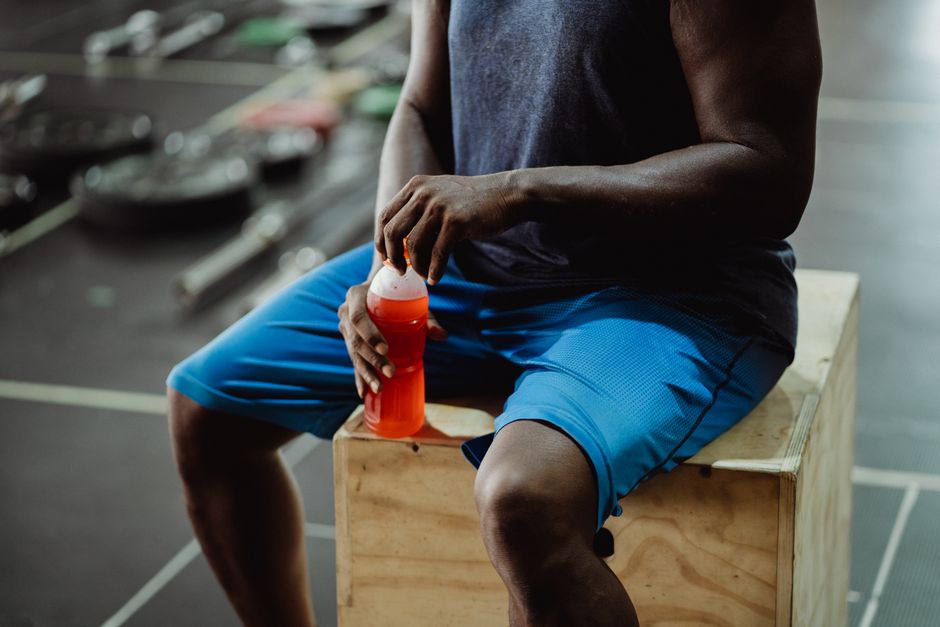
If you close your eyes and think of the word “creatine,” what do you see? For most people, the image is pretty specific: a sweaty, veins-popping bodybuilder in a tank top, shaking a plastic bottle full of white powder before hitting a heavy bench press. For decades, that was the brand. Creatine was the “meathead” supplement—something used exclusively to get big, bulky, and strong.
But here is the truth that’s finally starting to leak out of the lab and into the mainstream: Yes Creatine Can Help With Strength But Its Wellness Benefits Go Way Beyond The Gym.
In fact, if we were to discover creatine today, we probably wouldn’t even market it as a fitness supplement. We’d market it as a “longevity elixir” or a “brain-boosting nootropic.” It is one of the most researched substances on the planet, and the more we look at it, the more we realize that every cell in your body—from your gray matter to your heart—craves what creatine provides. Whether you’re a 25-year-old athlete, a 45-year-old busy parent, or a 70-year-old looking to stay sharp, creatine has something for you.
What Exactly Is Creatine? (The Non-Sciencey Version)
Before we dive into the “beyond the gym” stuff, let’s clear up what it actually is. Creatine isn’t a steroid. It’s not a lab-created chemical. It’s a naturally occurring compound found in your muscle cells. Your body actually makes it itself, and you get it from eating things like red meat and fish.
Think of creatine like a backup battery for your cells. Every time you do something—blink, think, or lift a grocery bag—your body uses a molecule called ATP for energy. But your body only has enough ATP for about a few seconds of work. Creatine steps in and “recharges” that battery instantly. It’s the ultimate energy middleman.
The Brain: Your Most Energy-Hungry Organ
While we usually talk about creatine in the context of biceps, your brain is actually the biggest energy hog in your body. It weighs only about 2% of your body mass but consumes about 20% of your daily calories. Just like your muscles, your brain needs a constant supply of ATP to function.
Beating Brain Fog and Mental Fatigue
Have you ever hit that 3:00 PM slump where you can’t remember the word for “stapler” and your emails look like gibberish? That’s mental fatigue. Research has shown that creatine supplementation can help improve cognitive performance, especially when you are sleep-deprived or under high stress. By keeping your brain’s energy stores topped off, creatine helps you stay sharper for longer.
Memory and Logic
Studies have indicated that creatine can improve short-term memory and reasoning. In one famous study, vegetarians (who naturally have lower creatine levels because they don’t eat meat) showed a significant boost in intelligence test scores after supplementing with creatine. It’s like giving your brain’s processor a little more RAM.
Aging Gracefully: Protecting Your Future Self
As we get older, two things happen that we all want to avoid: our muscles get weaker (sarcopenia) and our bones get more brittle. Usually, we think of this as an inevitable part of aging. But it doesn’t have to be.
Fighting Muscle Loss
Maintaining muscle isn’t just about looking good in a swimsuit; it’s about independence. Muscle is what helps you get out of a chair, carry your own luggage, and prevent falls. Creatine helps older adults maintain their muscle mass even with light activity. It’s a literal insurance policy for your mobility.
Bone Health
There is emerging evidence that creatine, when paired with even light resistance training, can help increase bone mineral density. For women, especially post-menopause, this is a game-changer for preventing osteoporosis.
Mood and Mental Wellness
This is one of the most exciting areas of new research. Scientists are looking at how creatine affects the “neurochemistry” of happiness. Since creatine helps manage energy production in the brain, it may play a role in how we process stress and regulate mood.
Some studies have found that creatine can act as a “booster” for traditional treatments for depression. By improving the way the brain uses energy, it seems to help the brain’s “wiring” work more efficiently. While it’s not a replacement for therapy or medication, it’s a powerful tool in the mental health toolbox.
Real-World Example: The “Busy Professional”
Imagine Sarah. Sarah is 38, works a high-pressure job, and has two kids. She doesn’t want to be a bodybuilder; she just wants to get through her day without feeling like a zombie. She starts taking 5 grams of creatine a day. Within a few weeks, she notices she’s less “fuzzy” during her afternoon meetings. She finds she has a little more “get up and go” to play tag with her kids in the yard after work. She isn’t getting “bulky,” but she feels more resilient. This is the true power of creatine in the real world.
Yes Creatine Can Help With Strength But Its Wellness Benefits Go Way Beyond The Gym
We have to acknowledge the elephant in the room: yes, it is incredible for strength. If you do decide to pick up a dumbbell, creatine will help you get those last two reps. It helps with recovery, meaning you aren’t as sore the next day. But the reason we keep saying Yes Creatine Can Help With Strength But Its Wellness Benefits Go Way Beyond The Gym is that we want to break the barrier for people who don’t care about lifting heavy weights.
If you are a hiker, a gardener, a yogi, or just someone who wants to keep their brain sharp as they age, creatine is for you. It’s a “foundational” supplement. It supports the very energy systems that allow you to exist and interact with the world.
Addressing the Myths: Is It Safe?
Because it’s been associated with the “hardcore” gym world, there are a lot of scary myths floating around. Let’s bust them quickly:
- “It’s bad for your kidneys.” False. In healthy individuals, dozens of long-term studies have shown no negative impact on kidney function.
- “It makes you bloated.” Sort of. Creatine draws water into your muscle cells (which is where you want it). It doesn’t usually cause the “puffy” bloating people associate with salty food. Most people don’t even notice it.
- “It causes hair loss.” There is virtually no clinical evidence to support this. One single study years ago showed a slight increase in a hormone related to hair loss, but it has never been replicated or proven to actually cause thinning hair.
How to Use Creatine for General Wellness
You don’t need a complicated “loading phase” or fancy colored drinks. Here is the simplest way to do it:
- Choose Creatine Monohydrate: It’s the cheapest, most studied, and most effective form. Don’t fall for “HCL” or “Buffered” versions that cost three times as much.
- Take 3-5 Grams a Day: That’s about one level teaspoon.
- Consistency is King: It doesn’t matter when you take it (morning or night). What matters is taking it every day to keep your levels topped off.
- Mix it with anything: It’s tasteless. Throw it in your coffee, your smoothie, or just a glass of water.
Key Takeaways
- Cognitive Boost: Creatine helps reduce mental fatigue and can improve memory and focus.
- Healthy Aging: It helps prevent muscle loss and supports bone density as we get older.
- Cellular Energy: It acts as a backup battery for every cell in your body, not just muscles.
- Mood Support: Emerging research suggests it may help with mood regulation and mental health.
- Safety: It is one of the safest and most well-researched supplements on the market.
Frequently Asked Questions
Do I have to work out to take creatine?
No! While it’s great for exercise, the cognitive and longevity benefits happen regardless of whether you’re lifting weights. However, staying active is always a good idea for general health!
Will it make me look bulky?
Not unless you are lifting heavy weights and eating a massive amount of calories. For the average person, creatine simply makes your muscles look a little “fuller” and more hydrated, but it won’t turn you into a bodybuilder overnight.
Should women take creatine?
Absolutely. In fact, some research suggests women may benefit more from creatine than men, especially regarding brain health and bone density during and after menopause.
How long does it take to work?
It usually takes about 2 to 4 weeks of daily use for your levels to fully saturate and for you to start feeling the benefits in your energy and focus.
The Bottom Line
It’s time to change the conversation. Creatine isn’t a “gym hack”—it’s a human health hack. Whether you want to crush a workout or just want to remember where you put your keys and feel a little more energetic during your afternoon meetings, it’s worth considering.
Remember: Yes Creatine Can Help With Strength But Its Wellness Benefits Go Way Beyond The Gym. It’s cheap, it’s safe, and it might just be the missing piece in your wellness routine.
Written with love and assistance and refined for quality.
🔗 Related: Women with polycystic ovary syndrome exhibit…
🔗 Related: BcozSheMatters: WHO Health Ministry roll out…
🔗 Related: A perfect storm for bone loss…