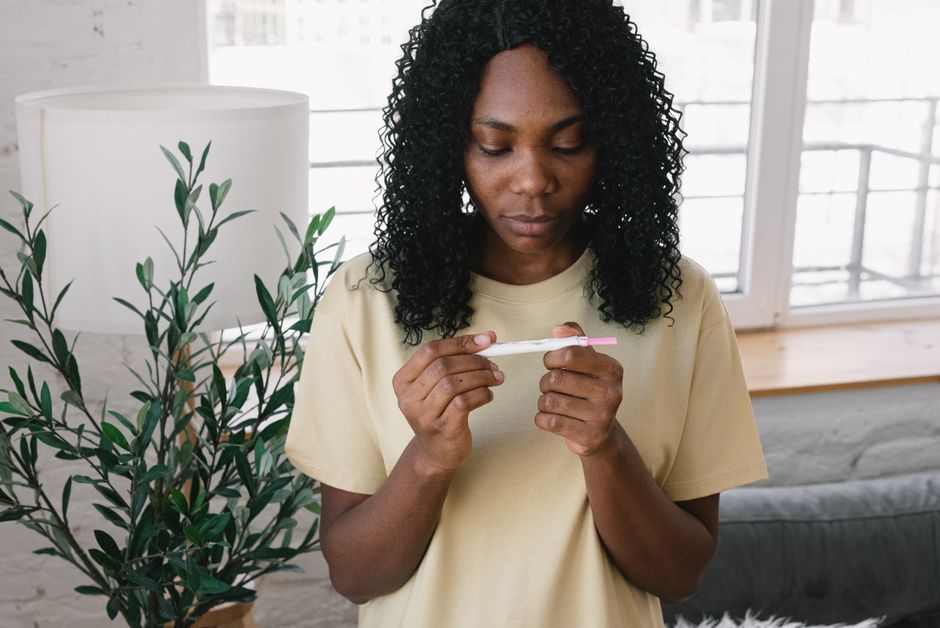
In this article, we’ll explore: Women with polycystic ovary syndrome exhibit impaired endometrial receptivity with excessive ER and histone lactylation and why it matters today.
Related:
👉 Understanding Why PCOS Affects Pregnancy: The New Science of Histone Lactylation and Uterine Health
👉 More Than Just Muscle: Why Creatine is the Wellness World’s Best Kept Secret
👉 Why Young Moms in Mangaluru Are Talking About Pelvic Health: Understanding Perineal Muscle Strength and SUI
For many women, the journey to motherhood feels like a clear, paved path. But for those living with Polycystic Ovary Syndrome (PCOS), that path often feels more like a winding, foggy trail through the woods. If you’ve been struggling to conceive with PCOS, you’ve likely spent hours researching ovulation, tracking your cycles, and maybe even taking medication to help your body release an egg.
But what if the challenge isn’t just the “seed” (the egg), but also the “soil” (the lining of the uterus)?
Recent scientific breakthroughs have started to shed light on a complex piece of the puzzle. It turns out that women with polycystic ovary syndrome exhibit impaired endometrial receptivity with excessive ER and histone lactylation. That sounds like a mouthful of medical jargon, doesn’t it? Don’t worry—we’re going to break that down into plain English and talk about what it actually means for your fertility journey.
The Story of Sarah: When Everything “Looks” Right
To understand this better, let’s look at a common scenario. Imagine a woman named Sarah. Sarah has PCOS. For years, she didn’t ovulate regularly. After working with a specialist, she started a treatment that successfully helped her ovulate. Her doctor confirmed the egg was released, the timing was perfect, and yet… nothing happened. The pregnancy test remained stubbornly negative.
Sarah felt defeated. “If I’m finally ovulating, why isn’t it working?” she asked.
The answer often lies in the endometrium—the lining of the uterus. For a pregnancy to begin, the embryo needs a welcoming place to land and attach. This is called “endometrial receptivity.” In many women with PCOS, this “landing pad” isn’t quite ready for arrival, even when an egg is present. New research is finally telling us why.
What Exactly is Endometrial Receptivity?
Think of the uterus like a high-end hotel. For most of the month, the “room” (the uterus) is being cleaned and prepared. There is a very specific window of time—usually just a few days in the middle of the luteal phase—when the room is “open” for a guest (the embryo). This is the window of implantation.
In a healthy cycle, the lining of the uterus transforms. It becomes plush, nutrient-rich, and sends out chemical signals that say, “Welcome! Stay a while.”
However, in women with PCOS, this window can be “shuttered.” The lining doesn’t always undergo the necessary changes, making it difficult for the embryo to stick. This is what scientists mean by “impaired endometrial receptivity.”
The Double Trouble: Excessive ER and Histone Lactylation
The recent study we’re discussing points to two specific culprits that disrupt this process: Excessive Estrogen Receptors (ER) and Histone Lactylation. Let’s look at these in a way that makes sense.
1. The Problem with Too Much Estrogen Receptor (ER)
Estrogen is essential for a woman’s body, but balance is key. Think of Estrogen Receptors (ER) like volume knobs on a radio. When estrogen enters the cell, it turns the volume up on certain biological processes.
In a typical cycle, the “volume” of estrogen needs to be turned down at a specific time to allow progesterone (the “pregnancy hormone”) to take over and prepare the lining. However, researchers found that women with polycystic ovary syndrome exhibit impaired endometrial receptivity with excessive ER. Essentially, the volume is stuck on “high.” Because the estrogen signal is too loud for too long, the uterus never gets the message that it’s time to switch gears and prepare for the embryo.
2. The Mystery of Histone Lactylation
This is where the science gets really modern. You’ve probably heard of “lactic acid” or “lactate” in relation to exercise—it’s what makes your muscles burn after a workout. But lactate also plays a role in how our genes work.
Our DNA is wrapped around proteins called histones. Think of histones like spools of thread. “Lactylation” is a process where lactate attaches to these spools and changes how the thread (your DNA) is read. It’s a form of “epigenetic” change—it doesn’t change your DNA code, but it changes which instructions your body follows.
In PCOS, the body often struggles with metabolism and insulin. This can lead to an accumulation of lactate in the uterine environment. When there is “excessive histone lactylation,” it essentially puts the wrong “Post-it notes” on your genes. These notes tell the uterine lining to stay in a state that is hostile to an embryo, rather than shifting into a receptive state.
How Metabolism and Fertility are Linked
You might be wondering, “What does my metabolism have to do with my uterine lining?” The answer is: everything.
PCOS is often described as a metabolic disorder that affects the ovaries. We know that many women with PCOS deal with insulin resistance. When your body doesn’t process sugar efficiently, your insulin levels spike. High insulin can lead to higher levels of lactate in your tissues.
This creates a chain reaction:
- Step 1: Metabolic imbalance leads to high lactate levels.
- Step 2: High lactate causes “excessive histone lactylation” in the uterine cells.
- Step 3: This lactylation keeps the Estrogen Receptors (ER) turned up too high.
- Step 4: The uterine lining fails to become “receptive,” and the embryo cannot implant.
Why This Research is a Game Changer
For a long time, the focus of PCOS fertility treatment was almost entirely on ovulation induction (getting the body to drop an egg). While that is incredibly important, it only solves half the problem.
Understanding that women with polycystic ovary syndrome exhibit impaired endometrial receptivity with excessive ER and histone lactylation allows doctors to look at the other half. It opens the door for new treatments that focus on:
- Improving the metabolic health of the uterine environment.
- Reducing excess lactate to “reset” the gene expressions.
- Balancing hormone receptors so the “progesterone message” can get through.
Real-World Examples of Managing the “Soil”
While we wait for specific new medications based on this research, there are things women are doing right now to improve their endometrial receptivity through metabolic health.
The Case of Maria: Maria had three failed IUI cycles despite ovulating every time. Her doctor suggested focusing on her insulin sensitivity for six months before trying again. By combining a low-glycemic diet with specific supplements like Inositol (which helps manage insulin and lactate levels), Maria was able to improve her metabolic markers. On her next attempt, her uterine lining showed a much healthier pattern on the ultrasound, and she successfully conceived.
The Role of Movement: We often think of exercise as a way to lose weight, but for PCOS, it’s about “burning” that excess lactate and improving how the body uses oxygen. Regular, moderate exercise can help prevent the “buildup” that leads to excessive histone lactylation.
Key Takeaways
- It’s not just the eggs: Fertility with PCOS involves both egg quality and the receptivity of the uterine lining.
- The “Volume” Issue: Too many Estrogen Receptors (ER) keep the uterus from entering the “implantation window.”
- The Lactate Link: High levels of lactate (often from metabolic issues) can “mark” genes through histone lactylation, preventing the lining from becoming receptive.
- Hope for the future: This research helps explain why “perfect” cycles sometimes fail and provides a roadmap for new ways to support PCOS fertility.
What Can You Do Today?
If you are navigating PCOS, don’t feel discouraged by the complexity of the science. Instead, let it empower you. If you feel like your “soil” isn’t ready, talk to your reproductive endocrinologist about your uterine lining. Ask about metabolic health and how it might be affecting your receptivity.
Focusing on a lifestyle that manages insulin—balanced meals, consistent movement, and stress reduction—isn’t just about weight; it’s about creating a chemical environment in your uterus that is ready to welcome a new life.
Frequently Asked Questions
Can I improve my endometrial receptivity naturally?
While you can’t “force” your genes to change, you can support a healthy uterine environment by managing insulin resistance. Diets rich in antioxidants, managing stress, and using supplements like Myo-inositol have been shown to help the metabolic environment of the uterus in PCOS patients.
Does a thick uterine lining always mean it’s receptive?
Not necessarily. While thickness is one thing doctors look for on an ultrasound, “receptivity” is more about the quality and the molecular signals of the lining. As we’ve seen, you can have a thick lining that still has “excessive ER,” which prevents implantation.
Is histone lactylation permanent?
No! Epigenetic marks like histone lactylation are often reversible. They are a response to the current environment in the body. By changing the metabolic environment (lowering excess lactate and balancing insulin), it is possible to change these signals over time.
Why did my doctor only focus on ovulation?
Ovulation is the most obvious hurdle in PCOS, so it’s usually the first one addressed. However, as research into endometrial receptivity grows, more doctors are beginning to look at the “implantation window” as a secondary, but equally important, factor.
The journey with PCOS is rarely easy, but every piece of new research brings us closer to understanding the “why” behind the struggle. By understanding that women with polycystic ovary syndrome exhibit impaired endometrial receptivity with excessive ER and histone lactylation, we move one step closer to personalized treatments that can help more women turn their dreams of motherhood into a reality.
Written with love and assistance and refined for quality.
🔗 Related: BcozSheMatters: WHO Health Ministry roll out…
🔗 Related: A perfect storm for bone loss…