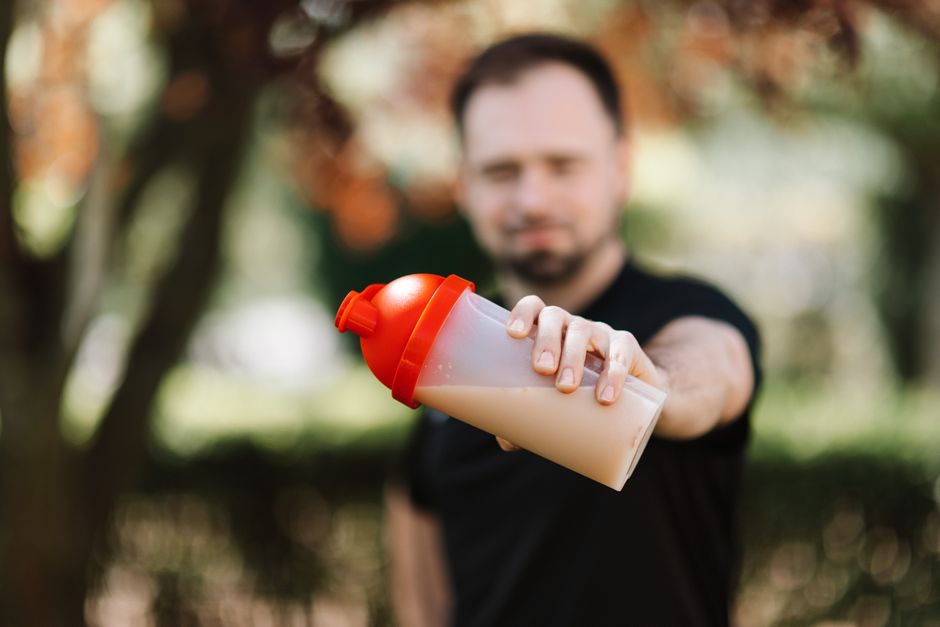
In this article, we’ll explore: Yes Creatine Can Help With StrengthBut Its Wellness Benefits Go Way Beyond The Gym and why it matters today.
Related:
👉 Understanding Why Getting Pregnant with PCOS is Hard: The New Science of Uterine Receptivity
👉 Why Creatine is the "Secret Weapon" for Your Brain and Body (Not Just Your Muscles)
👉 From Laughter to Leaks: Understanding Perineal Muscle Strength and Bladder Control in Young Mothers of Mangaluru
Learn more: Yes Creatine Can Help With StrengthBut Its Wellness Benefits Go Way Beyond The Gym on Wikipedia
If you walk into any local supplement shop, you’ll likely see a massive tub of creatine monohydrate sitting right next to the “Extreme Muscle Gainer” and the neon-colored pre-workouts. For decades, we’ve been told that creatine is for the gym rats—the guys trying to bench press a small car or the bodybuilders prepping for a show.
Because of that branding, a lot of people—moms, office workers, retirees, and even casual hikers—tend to walk right past it. They think, “I don’t want to get bulky,” or “I’m not a professional athlete, so I don’t need that.”
But here’s the truth that science has been trying to tell us for years: Yes creatine can help with strength but its wellness benefits go way beyond the gym.
In fact, if we renamed creatine to something like “Vitality Spark” and sold it in a sleek, minimalist bottle at a high-end wellness boutique, it would probably be the best-selling supplement in the world. It’s one of the most researched substances on the planet, and the latest findings suggest it’s just as good for your brain and your longevity as it is for your biceps.
What Exactly Is Creatine, Anyway?
Before we dive into the “hidden” benefits, let’s clear up what creatine actually is. It isn’t a steroid, and it isn’t some lab-created chemical that’s foreign to your body. Creatine is a natural compound found in your muscle cells. Your body produces it naturally, and you also get it from eating things like red meat and fish.
Its primary job is to help your cells produce energy. Specifically, it helps create a molecule called ATP (Adenosine Triphosphate). Think of ATP as the “currency” of your cells. When you have plenty of ATP, your cells can perform their jobs efficiently. When you run low, you feel fatigued—both physically and mentally.
While 95% of the body’s creatine is stored in your muscles, the remaining 5% is found in your brain, kidneys, and liver. And that’s where things get really interesting.
The Brain Power Boost: Sharper Thinking and Better Memory
Imagine you’re halfway through a grueling workday. You’ve had three cups of coffee, but the “brain fog” is still rolling in. You’re staring at a spreadsheet, and the numbers are starting to blur. This is where creatine steps in, far away from any dumbbells.
Your brain is an energy hog. Even though it only accounts for about 2% of your body weight, it consumes about 20% of your daily energy. Just like your muscles, your brain relies on ATP to function. When you’re performing a difficult mental task—like learning a new language or solving a complex problem—your brain’s energy demands skyrocket.
Research has shown that supplementing with creatine can:
- Improve Short-Term Memory: Especially in high-stress situations or when you’re sleep-deprived.
- Enhance Cognitive Processing: It helps you think faster and process information more clearly.
- Reduce Mental Fatigue: It’s like giving your brain a backup battery so it doesn’t crash at 3:00 PM.
A Real-World Example: Meet Sarah. Sarah is a 42-year-old project manager who doesn’t lift weights. She does yoga twice a week and walks her dog. She started taking a small dose of creatine after hearing about the cognitive benefits. Within a month, she noticed she wasn’t reaching for that fourth cup of coffee in the afternoon, and her “word-finding” during meetings felt much snappier. For Sarah, creatine wasn’t about a PR in the gym; it was about a PR in the boardroom.
Creatine and Healthy Aging: Protecting Your Independence
As we get older, two things inevitably happen: we lose muscle mass (a condition called sarcopenia) and our bone density begins to drop. This is a major concern for longevity because muscle and bone strength are the keys to staying mobile and independent as we age.
While yes creatine can help with strength but its wellness benefits go way beyond the gym, it’s particularly powerful for the 50+ crowd. When combined with even light activity, creatine helps preserve lean muscle tissue. This isn’t about looking like a bodybuilder; it’s about having the leg strength to get out of a chair easily or the balance to avoid a fall.
Furthermore, some studies suggest that creatine may help improve bone mineral density. Stronger muscles pull on the bones, which signals the bones to get stronger. It’s a win-win for anyone looking to stay active well into their 70s and 80s.
Mood and Mental Health: A New Frontier
One of the most exciting areas of new research is the link between creatine and mood. We are currently in the middle of a mental health crisis, and while creatine is not a “cure” for clinical depression or anxiety, the data suggests it could be a powerful tool in the toolkit.
Because depression is often linked to “brain bioenergetics”—essentially, the brain not producing or using energy correctly—creatine’s ability to boost ATP may help. Several studies have shown that when patients taking traditional antidepressants also took creatine, their symptoms improved significantly faster than those who took the medication alone.
It seems that a well-fueled brain is a more resilient brain. When your neurons have the energy they need to communicate, your mood stability can improve.
Why Vegetarians and Vegans Might Need It Most
If you don’t eat meat, your natural creatine levels are likely much lower than those of meat-eaters. Since the primary dietary sources of creatine are steak, salmon, and pork, plant-based eaters often have a “creatine gap.”
For vegans and vegetarians, supplementing with creatine can feel like a night-and-day difference. Many report a significant “lift” in their daily energy levels and mental clarity. Because their starting levels are lower, they often see the most dramatic benefits in cognitive performance when they start a daily 3-5 gram dose.
Key Takeaways: Why You Should Consider Creatine
- Not Just for Muscles: It’s a full-body cellular energy booster.
- Brain Support: Helps with memory, focus, and mental fatigue.
- Anti-Aging: Protects muscle mass and bone health as you get older.
- Mood Support: May help improve the effectiveness of mental health treatments.
- Safe and Cheap: It is one of the most affordable and safest supplements available.
Common Myths We Need to Stop Believing
Even with all this evidence, some people are still scared to try it. Let’s bust the three biggest myths right now:
Myth 1: “It will make me bloated and hold water.”
Creatine does draw water into your cells, but it draws it into the muscle cell, not under your skin. This can actually make your muscles look more hydrated and healthy, not “bloated” in the way a salty meal does. Most people don’t notice any change in their appearance at a standard 3-5 gram dose.
Myth 2: “It’s bad for your kidneys.”
This myth came from a misunderstanding of how doctors test kidney function. Creatine can slightly raise “creatinine” levels in your blood, which is a marker doctors use to check kidneys. However, dozens of long-term studies have shown that in healthy individuals, creatine has no negative impact on kidney or liver function.
Myth 3: “It causes hair loss.”
There was one single study years ago involving rugby players that showed a slight increase in a hormone linked to hair loss (DHT). However, that study has never been replicated, and hundreds of other studies since then have found no link between creatine and going bald. If you aren’t already genetically predisposed to hair loss, creatine isn’t going to change that.
How to Use Creatine for General Wellness
You don’t need to “load” it (taking 20 grams a day for a week), and you don’t need to take it with a sugary drink. The best way to get the wellness benefits is through consistency.
The Protocol: Take 3 to 5 grams of Creatine Monohydrate every single day. That’s it. It doesn’t matter if you take it in the morning, after a workout, or before bed. Just put a scoop in your water, coffee, or smoothie. It’s tasteless and dissolves easily.
Think of it like a daily vitamin for your cellular energy. You won’t feel a “buzz” like you do with caffeine, but after a few weeks, you might just realize you’re feeling a little sharper, a little stronger, and a lot less tired.
Frequently Asked Questions
Is creatine safe for women?
Absolutely. In fact, it may be even more beneficial for women due to hormonal fluctuations that affect energy levels. It’s great for bone density and maintaining muscle tone without “bulking up.”
Do I have to exercise to see the benefits?
While exercise maximizes the physical benefits, the cognitive and mood-related benefits happen regardless of whether you’re lifting weights or sitting at a desk. However, movement is always a good idea for general wellness!
What is the best type of creatine?
Don’t get distracted by fancy versions like “HCL” or “Buffered” creatine. Creatine Monohydrate is the gold standard. It is the most researched, the most effective, and the most affordable.
Can I get enough creatine from food?
It’s difficult. To get 5 grams of creatine, you’d have to eat about two pounds of raw beef every day. Supplementing is much easier, cheaper, and easier on your digestion.
Final Thoughts
We need to change the conversation around supplementation. For too long, we’ve put “health” in one box and “performance” in another. But the two are inextricably linked. Yes creatine can help with strength but its wellness benefits go way beyond the gym because it supports the very foundation of how our bodies function: energy production.
Whether you’re a grandmother wanting to keep up with her grandkids, a student studying for finals, or someone just looking to improve their daily mood and focus, creatine is worth a second look. It’s not just about the muscles you can see in the mirror; it’s about the cellular health you can’t see, but can definitely feel.
Written with love and assistance and refined for quality.
🔗 Related: Women with polycystic ovary syndrome exhibit…
🔗 Related: BcozSheMatters: WHO Health Ministry roll out…
🔗 Related: Yes Creatine Can Help With StrengthBut…