In this article, we’ll explore: 8 Foods To Avoid With an Upset Stomachand What To Eat Instead and why it matters today.
Related:
👉 The Hidden Symphony: Unpacking the Hormonal Mechanisms of Women's Risk in the Face of Traumatic Stress
👉 Unlocking the Mystery: How PCOS Impacts Endometrial Receptivity, ER, and Histone Lactylation
👉 8 Foods To Avoid With an Upset Stomach and What To Eat Instead: Your Guide to Feeling Better
Learn more: 8 Foods To Avoid With an Upset Stomachand What To Eat Instead on Wikipedia
Ah, the dreaded upset stomach. We’ve all been there, haven’t we? That familiar rumble, the sudden cramp, the general feeling of “ugh.” It’s like your digestive system decides to throw a mini-protest, and you’re left wondering what on earth you ate (or didn’t eat!) to provoke such a rebellion.
When your gut is feeling a bit off, the last thing you want to do is make it worse. Reaching for the wrong comfort food can turn a mild grumble into a full-blown digestive disaster. It’s not just about avoiding “bad” food; it’s about giving your body the gentle, loving care it needs to heal and reset. Think of your stomach as a delicate ecosystem – when it’s out of balance, you need to be extra mindful of what you introduce into it.
But how do you know what to steer clear of, and more importantly, what comforting, tummy-friendly options can help you feel human again? That’s exactly what we’re diving into today. We’re going to explore 8 foods to avoid with an upset stomach and what to eat instead, arming you with the knowledge to make smarter, kinder choices for your gut when it’s feeling fragile.
The Culinary Culprits: 8 Foods to Sidestep When Your Stomach Is Grumpy
When your stomach is in distress, it’s essentially asking for a break. Certain foods demand a lot of effort from your digestive system, irritating an already sensitive lining or creating excess gas. Let’s look at the usual suspects.
1. Spicy Foods
You know that fiery kick from a jalapeño or a dash of cayenne? While delicious on a normal day, when your stomach is upset, it can feel like pouring gasoline on a small fire. Capsaicin, the compound that gives peppers their heat, can irritate the stomach lining and esophagus, leading to heartburn, acid reflux, and general discomfort. It’s like trying to soothe a sunburn with a hot towel – counterproductive!
- What to Eat Instead: Opt for bland, non-irritating flavors. Think plain, boiled chicken, steamed white rice, or even a simple piece of toast.
2. High-Fat and Fried Foods
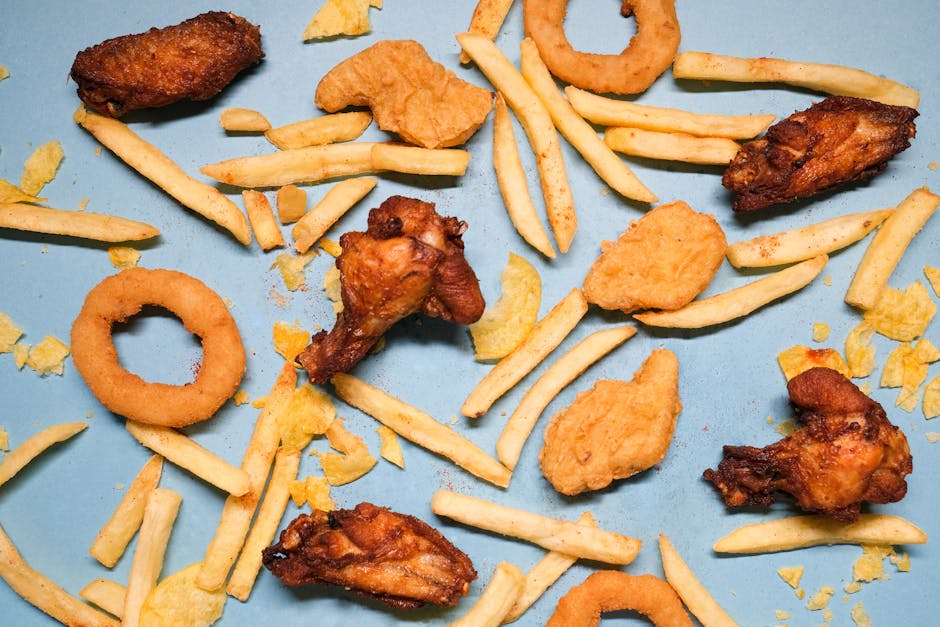
Greasy burgers, crispy fries, creamy sauces – oh, how tempting they are! But these high-fat delights are notorious for slowing down digestion. Fat takes longer to break down, meaning it sits in your stomach for extended periods, potentially causing nausea, bloating, and even diarrhea. Imagine trying to run a marathon with lead weights on your ankles; that’s what high-fat food does to an upset digestive system.
- What to Eat Instead: Lean proteins like baked or grilled chicken breast, fish, or soft-boiled eggs. For fats, stick to very small amounts of healthy, easily digestible options like a tiny bit of avocado or a drizzle of olive oil on plain food.
3. Dairy Products (Especially for Lactose Sensitivity)
Milk, cheese, ice cream – for many, these are comfort staples. However, if you’re lactose intolerant (which many people are, even mildly, without realizing it), dairy can be a major trigger for an upset stomach. Lactose, the sugar in dairy, can be difficult to digest without enough lactase enzyme, leading to gas, bloating, cramps, and diarrhea. Even if you don’t consider yourself lactose intolerant, dairy can be heavy and difficult to process when your stomach is already fragile.
- What to Eat Instead: Lactose-free dairy alternatives (if you tolerate them), rice milk, almond milk, or simply avoid dairy until your stomach settles. Water, herbal teas, and clear broths are safer bets.
4. Acidic Foods (Citrus Fruits & Tomatoes)
Oranges, grapefruits, lemons, and tomatoes (in sauces, soups, or raw) are packed with vitamins, but their high acidity can be a nightmare for an upset stomach. They can exacerbate heartburn, acid reflux, and general stomach irritation. If your stomach lining is already inflamed, adding more acid is like rubbing salt in a wound.
- What to Eat Instead: Stick to low-acid fruits like ripe bananas or peeled apples (cooked as applesauce is even better). Gentle, non-acidic vegetables like cooked carrots or zucchini are also good choices.
5. Caffeinated Beverages & Alcohol
That morning coffee might be your lifeblood, and a glass of wine might be your evening unwind, but both caffeine and alcohol can be incredibly irritating to a sensitive stomach. Caffeine can act as a diuretic, leading to dehydration, and also stimulates stomach acid production, which can worsen reflux and indigestion. Alcohol, on the other hand, is a known gut irritant, can cause dehydration, and interfere with digestion and nutrient absorption. Think of it as putting a stimulant or a toxin into an already compromised system.
- What to Eat Instead: Water is your best friend! Herbal teas like ginger tea (great for nausea) or peppermint tea (can soothe cramps) are excellent alternatives. Electrolyte drinks can also help with rehydration.
6. Processed Sugary Foods & Artificial Sweeteners
Candy, pastries, sodas, and foods laden with artificial sweeteners might offer a temporary mood boost, but they can wreak havoc on your gut. High sugar intake can feed “bad” bacteria in your gut, leading to gas, bloating, and discomfort. Artificial sweeteners like sorbitol or xylitol are infamous for their laxative effects and can cause significant digestive upset, even in healthy individuals. It’s like throwing a sugar bomb into your delicate gut microbiome.
- What to Eat Instead: If you crave something sweet, try a ripe banana or a small serving of applesauce. Keep it natural and simple.
7. Raw, Fibrous Vegetables (Especially Cruciferous Ones)
While raw vegetables are usually a cornerstone of a healthy diet, when your stomach is upset, they can be challenging. High fiber content, especially in raw form, requires a lot of digestive effort. Cruciferous vegetables like broccoli, cabbage, and cauliflower are particularly notorious for causing gas and bloating due to their complex sugars. It’s like asking your digestive system to do heavy lifting when it’s already feeling weak.
- What to Eat Instead: Cooked, soft vegetables are much easier to digest. Think steamed carrots, boiled potatoes (peeled), or well-cooked zucchini. Pureed vegetable soups (without cream) can also be soothing.
8. Legumes and Beans
Beans, lentils, chickpeas – these are nutritional powerhouses, packed with protein and fiber. However, they also contain complex carbohydrates (oligosaccharides) that can be difficult for some people to digest, leading to significant gas and bloating. When your stomach is already upset, this can intensify the discomfort dramatically. Even if you normally tolerate them well, it’s best to give them a pass when your gut is protesting.
- What to Eat Instead: For protein, stick to very lean, easily digestible sources like boiled chicken or fish. If you need a plant-based option, white rice or plain crackers are safer choices.
Key Takeaways for a Happy Tummy
Dealing with an upset stomach is never fun, but making smart food choices can significantly speed up your recovery. Remember, the goal is to be gentle with your digestive system, allowing it to rest and heal. When you’re trying to figure out what to eat, always think “bland, simple, and easy to digest.”
- Listen to Your Body: Everyone is a little different. Pay attention to what makes you feel better and what makes you feel worse.
- Hydrate, Hydrate, Hydrate: Water is crucial, especially if you’ve been experiencing vomiting or diarrhea.
- Small, Frequent Meals: Instead of three large meals, try eating smaller portions more often to avoid overloading your system.
- Go Bland: Stick to the “BRAT” diet (Bananas, Rice, Applesauce, Toast) or similar bland foods until your symptoms improve.
- Avoid Triggers: Steer clear of the 8 foods to avoid with an upset stomach and what to eat instead listed above, and any other personal triggers you might have.
Your gut health is foundational to your overall well-being. By being mindful of your diet when your stomach is upset, you’re not just treating symptoms; you’re supporting your body’s natural healing process. Here’s to feeling better, one gentle bite at a time!
FAQ: Your Upset Stomach Questions Answered
Q1: How long should I stick to bland foods after an upset stomach?
A: It really depends on how severe your symptoms were and how quickly you recover. Generally, it’s a good idea to stick to bland foods for at least 24-48 hours after your symptoms have subsided. Gradually reintroduce other foods, one at a time, to see how your body reacts. If symptoms return, go back to bland foods for a bit longer.
Q2: Can probiotics help with an upset stomach?
A: Sometimes, yes! Probiotics introduce beneficial bacteria to your gut, which can help restore balance, especially after an illness or antibiotic use. However, it’s best to introduce them when your stomach is starting to feel a bit better, and always consult with a doctor or dietitian. Some people find certain probiotic strains helpful, while others might experience temporary gas or bloating when first starting them.
Q3: What if I can’t keep anything down?
A: If you’re experiencing severe nausea or vomiting and can’t keep any food or even liquids down, it’s crucial to seek medical attention. Dehydration can happen quickly. For milder cases, try sipping small amounts of clear liquids like water, diluted broth, or electrolyte solutions frequently, rather than trying to drink a lot at once. Ice chips can also be helpful.
Q4: Are there any specific herbal teas that are good for an upset stomach?
A: Absolutely! Ginger tea is renowned for its anti-nausea properties and can help settle a queasy stomach. Peppermint tea can help relax stomach muscles and ease cramps. Chamomile tea is also a gentle option known for its calming effects on the digestive system. Just make sure they are plain herbal teas, not heavily sweetened or caffeinated.
Written with love and assistance and refined for quality.
{“@context”:”https://schema.org”,”@type”:”Article”,”headline”:”Navigating the Tummy Troubles: 8 Foods To Avoid With an Upset Stomach and What To Eat Instead”,”description”:”In this article, weu2019ll explore: 8 Foods To Avoid With an Upset Stomachand What To Eat Instead and why it…”,”author”:{“@type”:”Person”,”name”:”rahuljait”},”datePublished”:”2026-05-10T11:39:39+00:00″,”dateModified”:”2026-05-10T11:39:39+00:00″,”mainEntityOfPage”:”https://healthyworldz.com/navigating-the-tummy-troubles-8-foods-to-avoid-with-an-upset-stomach-and-what-to-eat-instead-3/”,”image”:[“https://healthyworldz.com/wp-content/uploads/2026/05/8-foods-to-avoid-with-an-upset-stomachand-what-to-eat-instead-15.jpg”]}
🔗 Related: Women with polycystic ovary syndrome exhibit…
🔗 Related: Hormonal mechanisms of womens risk in…
🔗 Related: 8 Foods To Avoid With an…