In this article, we’ll explore: 8 Foods To Avoid With an Upset Stomachand What To Eat Instead and why it matters today.
Related:
👉 Unpacking the Gender Divide: How Hormones Shape Women's Vulnerability to Traumatic Stress
👉 Beyond Ovulation: Unpacking How PCOS Can Make the Uterus Less Welcoming for a Baby
👉 Soothe Your Stomach: 8 Foods To Avoid With an Upset Stomach and What To Eat Instead
Learn more: 8 Foods To Avoid With an Upset Stomachand What To Eat Instead on Google Search
Ever woken up with that familiar, unwelcome rumble in your tummy? Or perhaps a sudden wave of nausea hits you out of nowhere? An upset stomach can throw a serious wrench in your day, making even the simplest tasks feel monumental. It’s a truly miserable experience, leaving you longing for relief and often wondering, “What on earth did I eat?” or “What *can* I eat?”
When your digestive system is staging a protest, your food choices become incredibly important. The wrong meal can escalate discomfort, while the right one can be a soothing balm. As a professional blog writer and SEO expert, I’ve seen countless people search for answers on how to manage this common ailment. Today, we’re diving deep into the topic of **8 foods to avoid with an upset stomach and what to eat instead**, arming you with the knowledge to make smarter, stomach-friendly decisions when you’re feeling under the weather. Forget the robotic, bland advice; we’re going for real talk, real solutions, and real comfort.
Let’s get your gut feeling better, shall we?
The “No-Go” List: Foods That Aggravate an Upset Stomach
When your stomach is already feeling tender, some foods are like pouring gasoline on a small fire. They can irritate, inflame, and generally make things much, much worse. Here are the top culprits to steer clear of:
1. Spicy Foods: Firing Up the Discomfort
Remember that time you bravely tackled a plate of extra-hot wings, only to regret it an hour later? If your stomach is already upset, chili peppers and other spicy ingredients, rich in capsaicin, are an absolute no-no. They can irritate the stomach lining, increase acid production, and potentially worsen heartburn or diarrhea. It’s like poking a sore spot with a sharp stick.
* **What to Eat Instead:** Think bland, blander, blandest! Opt for plain rice, boiled potatoes, or a simple piece of toast. These are gentle on the stomach and provide easy-to-digest carbohydrates.
2. Fried & Fatty Foods: A Heavy Burden
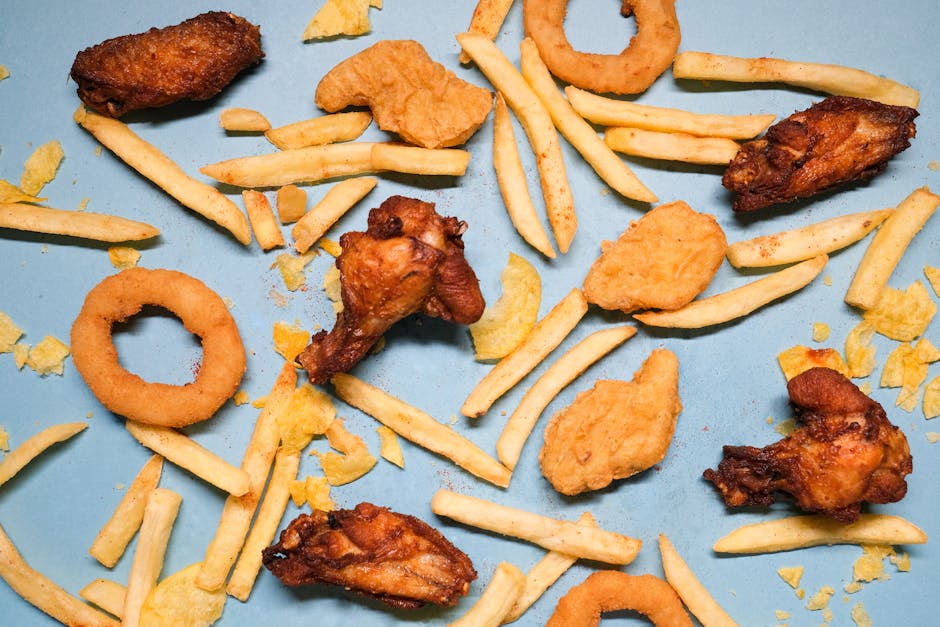
That greasy burger or crispy batch of fries might seem tempting in a moment of weakness, but they are a nightmare for an upset stomach. Foods high in fat are difficult for your body to break down, requiring more digestive effort. This can lead to increased nausea, indigestion, and even diarrhea. Imagine your digestive system is already tired; now you’re asking it to run a marathon.
* **What to Eat Instead:** Stick to lean proteins that are baked, grilled, or steamed. Think boiled chicken breast, baked fish, or clear vegetable broth. These provide nutrients without taxing your system.
3. Dairy Products (Especially for the Lactose-Sensitive)
While dairy can be a great source of calcium, it’s often problematic for an upset stomach, especially if you have even a mild lactose intolerance. Lactose, the sugar in milk, can be hard to digest when your gut is already compromised, leading to gas, bloating, cramps, and diarrhea. Even if you usually tolerate dairy, a sensitive stomach might rebel.
* **What to Eat Instead:** If you suspect dairy is an issue, try lactose-free milk alternatives like almond milk or oat milk. Small amounts of plain yogurt with live cultures might be tolerated by some, as the cultures help break down lactose, but proceed with caution. Otherwise, stick to non-dairy options entirely.
4. Acidic Foods: Irritating the Inner Lining
Citrus fruits like oranges and grapefruits, tomatoes (in sauces, juices, or raw), and even some vinegars are highly acidic. When your stomach lining is already inflamed or sensitive, these foods can exacerbate acid reflux, heartburn, and general irritation. I once had a friend who swore by orange juice for everything, until a bad bout of gastritis taught him otherwise – the acidity just made it worse.
* **What to Eat Instead:** Reach for low-acid fruits like bananas or melons. Plain white rice or oatmeal are also excellent, non-acidic choices that can help soothe the stomach.
5. Caffeinated Drinks: A Jolt Your Stomach Doesn’t Need
Your morning coffee might be your lifeblood, but when your stomach is upset, it’s best to hit pause. Caffeine is a stimulant that can increase stomach acid production and act as a laxative, potentially worsening diarrhea or stomach cramps. Energy drinks are even worse, often loaded with other irritating ingredients and sugars.
* **What to Eat Instead:** Hydration is key! Sip on plain water, or try soothing herbal teas like ginger tea (excellent for nausea), peppermint tea (can help with gas), or chamomile tea (calming).
6. Alcohol: Adding Insult to Injury
It might seem obvious, but it bears repeating: alcohol is a definite no-go. It irritates the stomach lining, can lead to dehydration, and puts extra strain on your liver. When your body is already struggling, alcohol will only prolong your recovery and intensify your discomfort. Think of it as throwing a wrench into an already sputtering engine.
* **What to Eat Instead:** Again, water, water, water! Electrolyte-rich drinks (like diluted sports drinks or coconut water) can also be helpful to replenish lost fluids, but avoid sugary versions.
7. Highly Processed Foods & Sugary Snacks: Empty Calories, Big Problems
Those tempting cookies, sugary cereals, and fast-food items are often packed with refined sugars, unhealthy fats, and artificial ingredients. These can be difficult to digest, lead to blood sugar spikes and crashes, and may even feed “bad” gut bacteria, prolonging your stomach woes. They offer little to no nutritional value when your body needs it most.
* **What to Eat Instead:** Focus on whole, unprocessed foods. Simple carbohydrates like plain toast, rice cakes, or a baked potato are good options. For a touch of sweetness, a ripe banana is perfect.
8. Raw Vegetables (Especially Cruciferous Ones): Fiber Overload
While raw vegetables are usually a cornerstone of a healthy diet, when your stomach is upset, their high fiber content can be a double-edged sword. Particularly cruciferous vegetables like broccoli, cauliflower, and cabbage can lead to increased gas and bloating, making a sensitive stomach even more uncomfortable. It’s like asking your already overworked digestive system to process a pile of twigs.
* **What to Eat Instead:** Opt for cooked, soft vegetables that are easier to digest. Think boiled carrots, zucchini, or pumpkin. Pureed vegetable soups (without cream or heavy spices) are also excellent choices.
The “Yes-Please” List: What to Eat Instead When Your Tummy Hurts
So, we’ve covered what to avoid. Now, let’s talk about the good stuff – the foods that can genuinely help soothe your stomach and aid in recovery. Many of these were mentioned as alternatives above, but it’s worth consolidating the champions of tummy comfort:
* **The BRAT Diet:** This classic stands for Bananas, Rice, Applesauce, and Toast. These foods are bland, low in fiber, and easy to digest, helping to bind stools and provide gentle energy.
* **Ginger:** Known for its anti-nausea properties, ginger (in tea, ginger ale made with real ginger, or small amounts of fresh ginger) can be a lifesaver.
* **Herbal Teas:** Peppermint, chamomile, and especially ginger tea, can help relax stomach muscles, reduce gas, and soothe irritation.
* **Clear Broths:** Chicken or vegetable broth provides essential fluids and electrolytes without any heavy lifting for your digestive system.
* **Oatmeal:** Plain, cooked oatmeal is a good source of soluble fiber, which can help regulate bowel movements and provide sustained energy.
* **Lean Proteins:** Boiled or baked chicken breast, turkey, or white fish are easy to digest and provide necessary protein for healing.
* **Melons:** Watermelon and cantaloupe are hydrating and gentle on the stomach.
* **Potatoes:** Boiled or baked plain potatoes (without skin or heavy toppings) are a good source of easily digestible carbohydrates.
Key Takeaways for a Happy Tummy
Dealing with an upset stomach is no fun, but making smart food choices can significantly speed up your recovery and reduce discomfort. Remember these key points:
* **Listen to Your Body:** Everyone is different. Pay attention to how certain foods make you feel.
* **Bland is Best:** When in doubt, go for bland, easy-to-digest foods.
* **Hydrate, Hydrate, Hydrate:** Water and clear fluids are your best friends.
* **Small, Frequent Meals:** Don’t overload your system. Opt for smaller portions more often.
* **Gradual Reintroduction:** As you start feeling better, slowly reintroduce foods, starting with those you know you tolerate well.
Your digestive system works hard for you every day. When it’s feeling a bit delicate, give it the gentle care it deserves. By understanding **8 foods to avoid with an upset stomach and what to eat instead**, you’re taking a proactive step towards feeling better, faster.
Frequently Asked Questions About Upset Stomachs and Food
Q1: How long should I stick to a bland diet after an upset stomach?
Generally, you should stick to a bland diet for 1-3 days after your symptoms subside. Gradually reintroduce your regular diet, one food at a time, to see how your body reacts.
Q2: Can probiotics help with an upset stomach?
Sometimes, yes. Probiotics, found in foods like yogurt (if tolerated) or supplements, can help restore the balance of good bacteria in your gut, which can be beneficial after an upset stomach, especially if it was caused by an infection or antibiotics. Consult your doctor before starting any supplements.
Q3: Is plain water always the best for hydration when my stomach is upset?
Plain water is excellent, but if you’ve been experiencing vomiting or diarrhea, you might have lost electrolytes. In such cases, clear broths, diluted fruit juice, or electrolyte-rich drinks (like rehydration solutions or coconut water) can be more beneficial to replenish lost salts and minerals.
Q4: What if I feel sick even after avoiding these foods?
If your upset stomach persists for more than a few days, or if you experience severe pain, high fever, bloody stools, or signs of dehydration, it’s crucial to consult a doctor. This advice is for general discomfort, not a substitute for professional medical guidance for serious conditions.
Written with love and assistance and refined for quality.
{“@context”:”https://schema.org”,”@type”:”Article”,”headline”:”Navigating the Queasy: 8 Foods To Avoid With an Upset Stomach and What To Eat Instead”,”description”:”In this article, weu2019ll explore: 8 Foods To Avoid With an Upset Stomachand What To Eat Instead and why it…”,”author”:{“@type”:”Person”,”name”:”rahuljait”},”datePublished”:”2026-05-10T13:34:20+00:00″,”dateModified”:”2026-05-10T13:34:20+00:00″,”mainEntityOfPage”:”https://healthyworldz.com/navigating-the-queasy-8-foods-to-avoid-with-an-upset-stomach-and-what-to-eat-instead-3/”,”image”:[“https://healthyworldz.com/wp-content/uploads/2026/05/8-foods-to-avoid-with-an-upset-stomachand-what-to-eat-instead-17.jpg”]}
🔗 Related: Women with polycystic ovary syndrome exhibit…
🔗 Related: 8 Foods To Avoid With an…
🔗 Related: Hormonal mechanisms of womens risk in…