In this article, we’ll explore: 8 Foods To Avoid With an Upset Stomachand What To Eat Instead and why it matters today.
Related:
👉 Taming the Tummy Troubles: 8 Foods To Avoid With an Upset Stomach and What To Eat Instead
👉 Beyond the Ovaries: Understanding Why Women with Polycystic Ovary Syndrome Exhibit Impaired Endometrial Receptivity with Excessive ER and Histone Lactylation
👉 Tummy Troubles? Here Are 8 Foods To Avoid With an Upset Stomach and What To Eat Instead for Quick Relief!
Learn more: 8 Foods To Avoid With an Upset Stomachand What To Eat Instead on Wikipedia
Ah, the dreaded upset stomach. We’ve all been there. That sudden rumble, the queasy feeling that creeps up, the churning sensation that makes you want to curl up in a ball and wish the world away. Whether it’s a fleeting bout of indigestion, a touch of food poisoning, or just a general feeling of internal protest, an upset stomach can truly derail your day, turning simple tasks into monumental efforts. It’s like your stomach is staging its own little rebellion, and you’re caught in the crossfire.
In these moments of digestive distress, our first instinct might be to reach for comfort food, or perhaps even try to “tough it out” with whatever’s handy. But here’s the crucial truth: what you put into your body when your stomach is already unhappy can either escalate the rebellion or gently calm it down. Eating the wrong thing can turn a minor discomfort into a full-blown crisis, while the right choices can be like a soothing balm, helping you find relief and get back to feeling like yourself.
That’s precisely what we’re diving into today: a comprehensive, human-friendly guide to **8 foods to avoid with an upset stomach and what to eat instead** to help you navigate those tricky times. Think of this as your personal roadmap to digestive peace, designed to help you make smart choices when your tummy needs a little extra TLC.
The Culprits: 8 Foods to Avoid When Your Stomach is Unhappy
When your gut is already feeling sensitive, certain foods act like unwelcome guests, stirring up trouble rather than settling things down. Let’s identify these troublemakers so you know exactly what to steer clear of.
1. Spicy Foods
Oh, how we love a good kick! But when your stomach is upset, that fiery sensation from chili peppers (thanks to a compound called capsaicin) can go from a pleasant warmth to an irritating inferno. Capsaicin can stimulate the lining of your stomach and intestines, leading to increased acid production, heartburn, and even more pain. Imagine trying to soothe a sunburn with a hot compress – it just doesn’t work!
- Why to avoid: Irritates the stomach lining, increases acid, can cause heartburn and cramping.
2. Fried & Fatty Foods
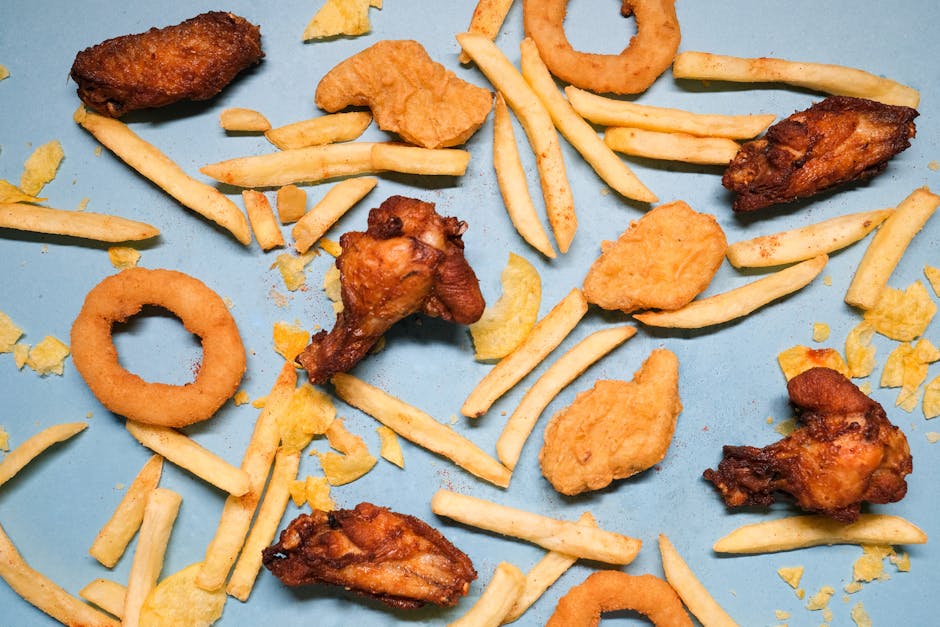
Who doesn’t crave a greasy burger or crispy fries when feeling down? But these are a big no-no for an upset stomach. Foods high in fat are notoriously difficult for your digestive system to break down. They sit in your stomach longer, requiring more digestive effort and often leading to feelings of fullness, nausea, and even acid reflux. It’s like asking an already tired engine to haul a much heavier load than it can handle.
- Why to avoid: Slows digestion, can cause nausea, heartburn, and aggravate discomfort.
3. Dairy Products (Especially for the Lactose Intolerant)
While dairy can be a source of comfort for many, for a significant portion of the population, lactose (the sugar in milk) can be a real problem, especially when your stomach is already compromised. If you’re lactose intolerant, your body can’t properly digest lactose, leading to gas, bloating, cramps, and diarrhea. Even if you don’t typically have severe intolerance, a sensitive stomach might react poorly to dairy’s sugars and fats.
- Why to avoid: Can cause gas, bloating, cramps, and diarrhea for those with lactose sensitivity or intolerance.
4. Acidic Foods (Citrus Fruits & Tomatoes)
While vitamin C is great, highly acidic foods like oranges, grapefruits, lemons, and tomatoes (and products made from them, like tomato sauce) can be incredibly irritating to an already inflamed stomach lining. They can exacerbate heartburn, indigestion, and the general burning sensation you might already be feeling. It’s like pouring vinegar on an open wound – definitely not a good idea!
- Why to avoid: Increases stomach acid, can cause heartburn, indigestion, and irritation.
5. Caffeinated Drinks
That morning coffee might be your lifeblood, but when your stomach is upset, it can become your nemesis. Caffeine is a stimulant that can increase stomach acid production and act as a diuretic, potentially leading to dehydration, which can worsen an upset stomach. It can also speed up gut motility, which isn’t ideal if you’re already dealing with diarrhea. Think of it as hitting the accelerator when your body needs to hit the brakes.
- Why to avoid: Increases stomach acid, can cause dehydration, and accelerate bowel movements.
6. Alcohol
Beyond the obvious hangover potential, alcohol is a direct irritant to the stomach lining. It can increase stomach acid, cause inflammation, and dehydrate your body. Even a small amount can worsen nausea, heartburn, and general discomfort. When your stomach is upset, alcohol is like adding fuel to a fire you’re trying to put out.
- Why to avoid: Irritates stomach lining, increases acid, causes dehydration, and can worsen nausea.
7. High-Fiber, Raw Vegetables (and some legumes)
While fiber is usually fantastic for digestion, when your stomach is upset, raw, tough-to-digest vegetables (like broccoli, cauliflower, Brussels sprouts, or a big raw salad) can be too much work. Their complex fibers can lead to increased gas, bloating, and cramping as your digestive system struggles to break them down. Similarly, beans and lentils, while nutritious, can cause significant gas and discomfort in an already sensitive gut.
- Why to avoid: Can cause gas, bloating, and cramping due to difficult-to-digest fibers.
8. Artificial Sweeteners & Sugar Alcohols
Found in many “diet” products, sugar-free gum, and some protein bars, artificial sweeteners like sorbitol, xylitol, and erythritol are notorious for causing digestive distress. They are poorly absorbed by the body and can ferment in the intestines, leading to gas, bloating, and a laxative effect. It’s a sneaky way to upset your stomach even further.
- Why to avoid: Poorly absorbed, can cause gas, bloating, and have a laxative effect.
The Soothing Squad: What to Eat Instead for Gentle Healing
Now that we know what to avoid, let’s talk about the good guys – the foods that can actually help calm your stomach, provide necessary nutrients, and aid in recovery. The general rule here is “bland is best.”
1. For Spicy Foods & Acidic Foods: Embrace Bland & Low-Acid Options
Instead of reaching for that fiery curry or a glass of orange juice, opt for foods that are gentle on your esophagus and stomach lining.
- What to eat:
- Bananas: Easy to digest, non-acidic, and can help replenish electrolytes.
- Applesauce: Pectin in apples can help settle the stomach. Make sure it’s unsweetened.
- Melons (Cantaloupe, Honeydew): Hydrating and low in acid.
- Cooked Carrots or Sweet Potatoes: Soft, easily digestible, and nutritious.
2. For Fried & Fatty Foods: Stick to Steamed, Boiled, or Baked
Give your digestive system a break by choosing cooking methods that don’t involve a lot of added fat.
- What to eat:
- Plain Baked Potato: A great source of energy, easy to digest. Skip the butter and sour cream.
- Steamed White Fish or Chicken Breast: Lean protein that’s easy on the stomach.
- White Rice: A classic for a reason – bland, low in fiber, and helps bind stools if you have diarrhea.
3. For Dairy: Opt for Lactose-Free or Probiotic-Rich
If dairy usually bothers you, or even if it doesn’t but your stomach is sensitive, choose wisely.
- What to eat:
- Lactose-Free Milk or Yogurt: Provides calcium without the lactose.
- Plain Yogurt (with live cultures): If tolerated, the probiotics can actually help rebalance your gut flora. Start with a small amount.
- Almond Milk or Oat Milk: Good dairy-free alternatives for beverages or cereal.
4. For Caffeinated Drinks & Alcohol: Hydrate with Gentle Liquids
Hydration is key when your stomach is upset, but choose your liquids carefully.
- What to drink:
- Water: The absolute best choice. Sip it slowly throughout the day.
- Ginger Tea: Ginger is a natural anti-nausea remedy.
- Peppermint Tea: Can help relax stomach muscles and ease discomfort.
- Clear Broth: Provides electrolytes and some nutrients without being heavy.
5. For High-Fiber, Raw Vegetables: Choose Cooked & Peeled
You can still get your veggies, just prepare them in a tummy-friendly way.
- What to eat:
- Cooked and Peeled Potatoes (without skin): Much easier to digest than raw or skin-on.
- Well-Cooked Green Beans: Soft and less likely to cause gas.
- Soft Cooked Squash: Gentle and nutritious.
- White Toast or Crackers: Simple carbohydrates that are easy to digest.
6. For Artificial Sweeteners: Stick to Natural Sweeteners in Moderation
If you need a touch of sweetness, go for natural, easily digestible options.
- What to eat:
- A tiny bit of honey or maple syrup: Natural sugars that are generally better tolerated than artificial ones. Use sparingly.
- Fruit (as mentioned above): Natural sweetness and nutrients.
Key Takeaways for a Happy Tummy
- Listen to Your Body: Everyone is different. What bothers one person might not bother another. Pay attention to your unique reactions.
- Bland is Your Friend: When in doubt, stick to plain, simple, and easily digestible foods.
- Hydrate, Hydrate, Hydrate: Sipping water, clear broths, and herbal teas is crucial for recovery.
- Small, Frequent Meals: Instead of three big meals, try eating smaller portions more often to avoid overloading your digestive system.
- Introduce Foods Slowly: As you start to feel better, gradually reintroduce foods, one at a time, to see how your stomach reacts.
FAQs About Upset Stomachs and Food
Q1: How long should I stick to a bland diet after an upset stomach?
A: Generally, it’s a good idea to stick to bland foods for at least 24-48 hours after your symptoms have significantly improved. Gradually reintroduce your regular diet over a few days, paying close attention to how your body reacts. If symptoms return, go back to the bland diet for a bit longer.
Q2: Are probiotics helpful for an upset stomach?
A: Yes, probiotics can often be very helpful, especially if your upset stomach is due to an imbalance in gut bacteria (e.g., after antibiotics or a stomach bug). They introduce beneficial bacteria that can help restore gut health. Plain yogurt with live active cultures is a good food source, or you can consider a probiotic supplement. However, if you’re experiencing severe symptoms like vomiting or diarrhea, consult your doctor first.
Q3: When should I see a doctor for an upset stomach?
A: While most upset stomachs resolve on their own, it’s important to seek medical attention if you experience severe abdominal pain, persistent vomiting (especially if it contains blood), bloody or black stools, high fever, signs of dehydration (like decreased urination or excessive thirst), or if symptoms don’t improve after a few days. Always consult a healthcare professional for persistent or worsening symptoms.
Navigating an upset stomach can be challenging, but with the right knowledge about **8 foods to avoid with an upset stomach and what to eat instead**, you can make informed choices that truly support your body’s healing process. Remember, your gut health is a cornerstone of your overall well-being. Treat it with kindness, especially when it’s feeling fragile, and you’ll be back to feeling your vibrant self in no time.
Written with love and assistance and refined for quality.
{“@context”:”https://schema.org”,”@type”:”Article”,”headline”:”The Belly Whisperer’s Guide: 8 Foods To Avoid With an Upset Stomach and What To Eat Instead for Gentle Healing”,”description”:”In this article, weu2019ll explore: 8 Foods To Avoid With an Upset Stomachand What To Eat Instead and why it…”,”author”:{“@type”:”Person”,”name”:”rahuljait”},”datePublished”:”2026-05-11T10:36:33+00:00″,”dateModified”:”2026-05-11T10:36:33+00:00″,”mainEntityOfPage”:”https://healthyworldz.com/the-belly-whisperers-guide-8-foods-to-avoid-with-an-upset-stomach-and-what-to-eat-instead-for-gentle-healing/”,”image”:[“https://healthyworldz.com/wp-content/uploads/2026/05/8-foods-to-avoid-with-an-upset-stomachand-what-to-eat-instead-22.jpg”]}
🔗 Related: Women with polycystic ovary syndrome exhibit…
🔗 Related: Women with polycystic ovary syndrome exhibit…
🔗 Related: 8 Foods To Avoid With an…