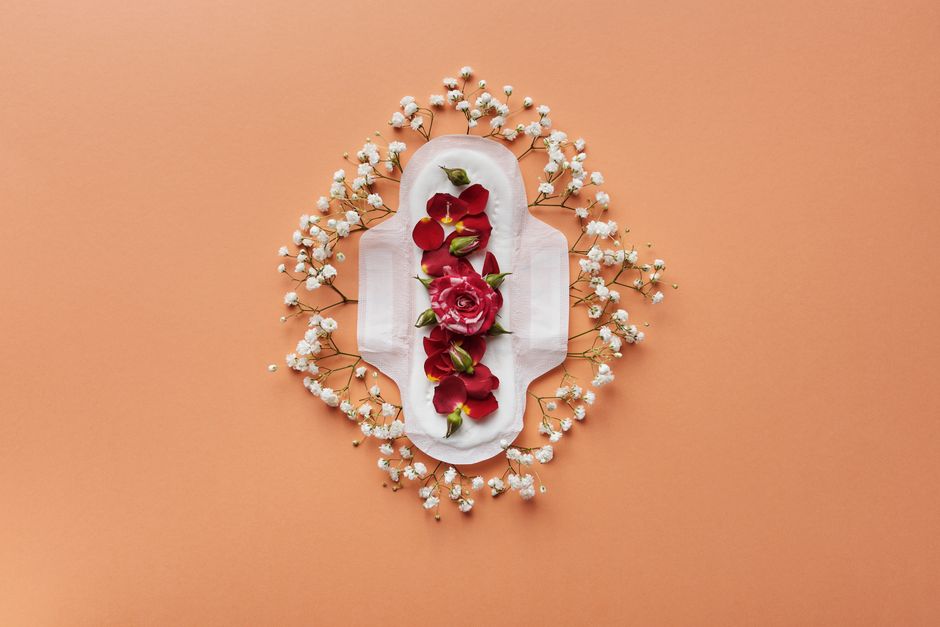
In this article, we’ll explore: Period poverty: A global menstrual health crisis and why it matters today.
Related:
👉 Period Poverty: A Global Menstrual Health Crisis We Can No Longer Ignore
👉 Sip Your Way to a Happy Belly: The Best Late-Night Drink for Gut Health According to a Dietitian
👉 Why PCOS Makes It Harder for Embryos to Stick: Understanding Endometrial Receptivity and Histone Lactylation
Learn more: Period poverty: A global menstrual health crisis on Wikipedia
Imagine being a fifteen-year-old girl named Amara living in a small village. She is bright, loves math, and dreams of becoming a doctor. But every month, for five days, Amara’s world shrinks. She doesn’t go to school. She doesn’t play with her friends. Instead, she stays home, sitting on a piece of old cardboard or using scraps of dirty cloth to manage her period. She isn’t sick; she just can’t afford pads.
This isn’t just Amara’s story. It is the story of millions of women, girls, and people who menstruate across the globe. We call this period poverty: a global menstrual health crisis that affects dignity, education, and health. It is a quiet emergency that happens behind closed doors, yet its impact resonates through entire economies and generations.
In this post, we’re going to pull back the curtain on what period poverty really looks like, why it’s happening, and how we can finally put an end to it.
What Exactly is Period Poverty?
When most people hear the term “period poverty,” they think it just means not having enough money to buy tampons or pads. While that is a huge part of it, the issue is actually much broader. Period poverty is the lack of access to menstrual products, hygiene facilities, waste management, and education.
Think about what you need to manage a period comfortably:
- Safe, clean, and affordable menstrual products (pads, cups, or tampons).
- Private toilets with locks on the doors.
- Soap and clean running water.
- A way to dispose of used products discreetly.
- Knowledge about how the body works so you aren’t terrified when you see blood for the first time.
When any of these pieces are missing, it becomes nearly impossible to manage a period with dignity. This is why we refer to period poverty: a global menstrual health crisis—it isn’t just a “women’s issue”; it’s a public health and human rights issue.
It’s Not Just a “Developing World” Problem
One of the biggest myths about period poverty is that it only happens in low-income countries. While the challenges are often more severe in places like Sub-Saharan Africa or South Asia, this crisis is happening in our own backyards in the US, the UK, and Europe.
In the United States, for example, many low-income families have to choose between buying a gallon of milk or a box of tampons. Since menstrual products aren’t covered by food stamps (SNAP) or WIC, they are often out of reach for those living below the poverty line. In the UK, surveys have shown that 1 in 10 girls have been unable to afford period products at some point.
Whether it’s a student in London using toilet paper because she can’t afford pads, or a worker in a rural village using dried leaves, the core problem is the same: menstruation is being treated as a luxury when it is a biological reality.
The Hidden Cost: Education and Opportunity
The link between period poverty and education is heartbreaking. When a student doesn’t have the supplies they need, they often stay home from school to avoid the embarrassment of leaking through their clothes.
In some parts of the world, girls miss up to 20% of the school year because of their periods. When a girl misses a week of school every month, she falls behind. Eventually, many drop out altogether. This leads to higher rates of child marriage and lower earning potential later in life. By failing to address period poverty, we are effectively telling millions of young people that their education is less important than a natural bodily function.
Real-World Example: The Impact in Kenya
In many rural parts of Kenya, the cost of a pack of pads can be higher than the daily wage for a laborer. Some girls have even been forced into “sex for pads”—exchanging sexual favors with older men just to get the money for menstrual supplies. This exposes them to the risks of HIV, STIs, and unwanted pregnancies. This is the extreme, devastating reality of how deep this crisis can go.
The Health Risks: When Rags Replace Pads
When people can’t afford proper products, they get creative—but that creativity comes with a high price for their health. People have reported using:
- Old rags or torn clothing.
- Newspapers or notebook paper.
- Dried leaves or husks.
- Sawdust or ash wrapped in cloth.
- Using a single tampon or pad for 24 hours or more.
Using these unsanitary materials can lead to severe reproductive and urinary tract infections (UTIs). Prolonged use of a single tampon increases the risk of Toxic Shock Syndrome (TSS), which can be fatal. This is why period poverty: a global menstrual health crisis is so dangerous—it turns a normal biological process into a life-threatening health hazard.
The Stigma: Why We’re Still Whispering
Why has it taken so long for the world to talk about this? The answer is simple: stigma. In many cultures, menstruation is seen as “dirty” or “shameful.”
In some places, menstruating women are forbidden from cooking, entering temples, or even touching others. Even in “modern” societies, we hide pads in our sleeves on the way to the bathroom and use code words like “Aunt Flo” or “that time of the month.”
This culture of silence makes it incredibly hard to advocate for change. If we can’t even say the word “period” without blushing, how can we demand that governments provide free products in schools or remove the “luxury tax” on tampons?
How Can We Fix It? Moving Toward Menstrual Equity
The good news is that the world is finally waking up. The movement for “menstrual equity”—the idea that everyone should have the supplies and environment they need to manage their period—is gaining steam.
1. Policy Changes and Tax Removal
Many countries are finally removing the “Tampon Tax,” which treats menstrual products as luxury items rather than necessities. Countries like India, Canada, and several US states have eliminated these taxes. Scotland made history by becoming the first country in the world to make period products free for everyone who needs them.
2. Providing Products in Public Spaces
Just as we expect toilet paper and soap to be free in public bathrooms, we should expect pads and tampons to be available. Schools, workplaces, and homeless shelters should provide these supplies as standard hygiene items.
3. Education for Everyone
We need to educate boys and men just as much as girls and women. When everyone understands that menstruation is a healthy part of life, the stigma begins to fade. Education also helps young people understand their bodies, reducing the fear and confusion that often accompanies a first period.
4. Better Infrastructure
We need to invest in “period-friendly” infrastructure. This means schools and workplaces with private stalls, clean water, and proper waste disposal systems. Without these, even the best menstrual products won’t solve the problem.
Key Takeaways
- Period poverty is a multifaceted issue: It’s about money, but also about infrastructure, water, and education.
- It is a global crisis: It affects people in both wealthy and low-income nations.
- It impacts education: Millions of girls miss school every month, leading to long-term economic disadvantages.
- Health is at risk: Unsafe alternatives to pads and tampons cause infections and long-term health problems.
- Stigma is the biggest barrier: Breaking the silence is the first step toward solving the problem.
Where Do We Go From Here?
Solving period poverty: a global menstrual health crisis won’t happen overnight, but the momentum is building. You can help by supporting organizations like Period.org or The Red Box Project, or simply by talking about it. The more we normalize the conversation, the harder it becomes for policymakers to ignore.
No one should have to choose between their dignity and their education. No one should have to risk their health because they can’t afford a basic necessity. It’s time we treat menstrual health with the seriousness it deserves.
Frequently Asked Questions
What is the “Tampon Tax”?
The “Tampon Tax” refers to the sales tax or value-added tax (VAT) applied to menstrual products. In many jurisdictions, items like groceries or medical supplies are tax-exempt because they are necessities, but tampons and pads are taxed as “luxury goods.” Advocates are working to remove these taxes globally.
How does period poverty affect mental health?
Period poverty often leads to feelings of shame, anxiety, and isolation. The constant fear of leaking or being “found out” can cause significant psychological stress, especially for young students, leading to a lack of confidence and withdrawal from social activities.
Can men and boys help end period poverty?
Absolutely. Men and boys play a crucial role in breaking the stigma. By learning about menstrual health and supporting policies that provide free products, they help create an environment where menstruation is seen as a normal, healthy part of life rather than something to be hidden.
Is period poverty only about women?
No. While it primarily affects women and girls, period poverty also impacts transgender men and non-binary individuals who menstruate. These groups often face even greater barriers, including lack of access to disposal bins in male restrooms and increased safety risks.
How can I help someone experiencing period poverty?
You can donate products to local food banks and homeless shelters, advocate for free products in your workplace or school, and support legislation that aims to eliminate the tampon tax and provide menstrual equity for all.
Written with love and assistance and refined for quality.
🔗 Related: Making sense of the widening gender…
🔗 Related: Women with polycystic ovary syndrome exhibit…
🔗 Related: Period poverty: A global menstrual health…