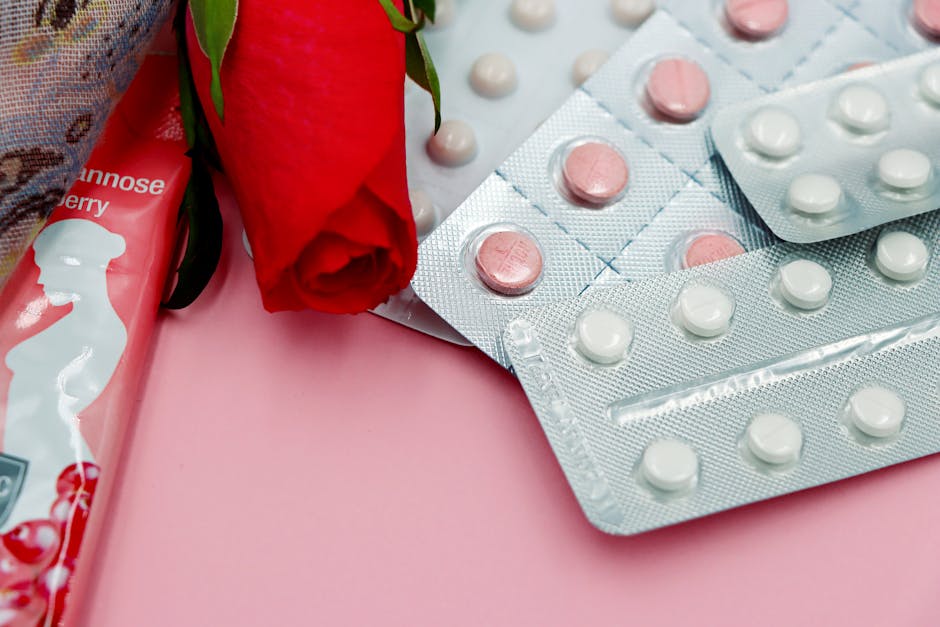
In this article, we’ll explore: Hormonal mechanisms of womens risk in the face of traumatic stress and why it matters today.
Related:
👉 Unpacking the Invisible Burden: How Hormones Shape Women's Risk in the Face of Traumatic Stress
👉 Stomach Troubles? Here Are 8 Foods To Avoid With an Upset Stomach and What To Eat Instead (Your Gut Will Thank You!)
👉 Unmasking the Invisible Battle: How Hormones Shape Women's Response to Trauma
Learn more: Hormonal mechanisms of womens risk in the face of traumatic stress on Wikipedia
Life throws curveballs, doesn’t it? Sometimes, those curveballs aren’t just bumps in the road; they’re catastrophic events that shake us to our core. We call these traumatic experiences – moments that leave an indelible mark, not just on our minds but deep within our very biology. While both men and women experience trauma, an undeniable truth emerges from research: women are significantly more likely to develop conditions like Post-Traumatic Stress Disorder (PTSD) after experiencing trauma. It’s a statistic that begs the question: *Why?*
For a long time, the answers focused on social factors, types of trauma, or psychological differences. But what if a significant part of the explanation lies hidden within our very essence, specifically in the intricate dance of hormones that govern a woman’s body? This isn’t about blaming biology or suggesting weakness. Instead, it’s about understanding a profound, often overlooked aspect of female resilience and vulnerability. Today, we’re going to pull back the curtain on the fascinating and complex **hormonal mechanisms of women’s risk in the face of traumatic stress**, exploring how these powerful chemical messengers shape a woman’s journey through and beyond trauma.
The Invisible Scars: Understanding Traumatic Stress
Before we dive into the hormonal world, let’s briefly touch upon what we mean by traumatic stress. It’s more than just a bad day or even a very sad period. Traumatic stress occurs after exposure to actual or threatened death, serious injury, or sexual violence. This can manifest in various ways – from experiencing it directly, witnessing it, or even learning about it happening to a close loved one.
The aftermath can be debilitating: intrusive memories, nightmares, avoidance of reminders, negative changes in thinking and mood, and heightened reactivity. This cluster of symptoms, when persistent and severe, is often diagnosed as PTSD. And here’s where the gender disparity becomes stark: studies consistently show that women are about twice as likely as men to develop PTSD, even when exposed to similar types and levels of trauma.
Think of Sarah. She was in a severe car accident a few years ago. Physically, she healed. But mentally, the echoes of that crash persisted. Every sudden brake light, every loud noise, sent her heart racing. She avoided driving, her sleep was fragmented by nightmares, and she felt a constant knot of anxiety in her stomach. Her male friend, who was also in the accident, seemed to “bounce back” faster, though he too had his struggles. Sarah often wondered why her recovery felt so much harder, so much more ingrained. It’s in stories like Sarah’s that we begin to seek deeper answers.
The Hormonal Symphony: A Female-Specific Score
The female body is a marvel of cyclical change, largely orchestrated by hormones. These aren’t just about reproduction; they influence everything from mood and energy to metabolism and, crucially, how we respond to stress. When trauma hits, these hormonal systems are thrown into overdrive, and their unique interplay in women can create a different landscape for healing or prolonged distress.
Let’s meet some of the key players in this intricate hormonal symphony:
Estrogen: A Double-Edged Sword?
Estrogen, often celebrated as the quintessential “female hormone,” plays a significant role in brain function, influencing mood, memory, and even the stress response. It’s not a simple story, though.
* **The Bright Side:** Estrogen can have protective effects. It can enhance certain brain functions that help us process emotions and memories, potentially aiding in recovery. Some research suggests optimal estrogen levels might buffer the initial impact of stress.
* **The Nuance:** Here’s the catch – estrogen levels fluctuate dramatically throughout a woman’s life: during the menstrual cycle, pregnancy, and menopause. These fluctuations can create windows of increased vulnerability. For instance, when estrogen levels are low (like during the pre-menstrual phase or post-menopause), the brain’s ability to regulate fear and stress might be compromised, potentially making a woman more susceptible to developing or exacerbating trauma-related symptoms. Imagine a protective shield that sometimes glows brightly, sometimes dims, leaving you more exposed.
Progesterone and Allopregnanolone: The Calming Influence (and its Absence)
Progesterone is another vital female hormone, often working in tandem with estrogen. Its superpower lies in its ability to be metabolized into a neurosteroid called allopregnanolone (ALLO).
* **Nature’s Tranquilizer:** ALLO is a natural anxiolytic – meaning it reduces anxiety. It interacts with GABA receptors in the brain, which are responsible for calming nervous system activity. Think of ALLO as a natural “chill pill” the body produces.
* **The Trauma Disruption:** After trauma, the body’s natural production of ALLO can be disrupted. If ALLO levels are lower, or if the brain’s receptors become less responsive, the natural calming mechanism is weakened. This can leave a woman feeling perpetually on edge, struggling with anxiety, and unable to effectively “turn off” the fear response, even when the danger has passed. This disruption in the progesterone-ALLO pathway is a critical hormonal mechanism of women’s risk in the face of traumatic stress.
Cortisol: The Body’s Alarm System and Its Aftermath
Cortisol is the primary stress hormone, released by the adrenal glands as part of the “fight or flight” response. It’s essential for immediate survival. However, its long-term regulation after trauma can differ significantly between genders.
* **The Initial Surge:** When a traumatic event occurs, cortisol floods the system, preparing the body to respond.
* **The Post-Trauma Paradox:** Interestingly, while men with PTSD often show *elevated* cortisol levels, many women with PTSD exhibit *blunted* or *lower* cortisol responses over time. This might sound counter-intuitive, but a blunted cortisol response means the body isn’t effectively shutting down the stress response system. It’s like having an alarm that keeps ringing faintly in the background, rather than blaring loudly and then fully turning off. This dysregulation can lead to persistent feelings of hypervigilance, emotional numbness, and difficulty processing the traumatic memories, contributing to the development and maintenance of PTSD symptoms.
Oxytocin: The Social Hormone with a Twist
Oxytocin, often called the “love hormone” or “bonding hormone,” is known for its role in social connection, trust, and empathy. It can also act as an anti-stress hormone, promoting relaxation and reducing anxiety.
* **A Soothing Embrace:** In many contexts, oxytocin can help buffer the effects of stress, encouraging us to seek social support, which is a powerful coping mechanism.
* **The Unexpected Side:** However, research suggests that in certain situations, particularly after trauma, oxytocin might actually strengthen fear memories in women, potentially making them more vivid and harder to extinguish. This is a complex area, but it highlights that hormones don’t always act in simple, predictable ways; their effects can be context-dependent and gender-specific.
The Menstrual Cycle, Pregnancy, and Menopause: Shifting Sands of Vulnerability
The unique hormonal landscape of women means that vulnerability to traumatic stress isn’t static; it shifts throughout their lives.
* **The Menstrual Cycle:** The monthly ebb and flow of estrogen and progesterone can create varying levels of resilience. The pre-menstrual phase, characterized by lower estrogen and a drop in progesterone, might be a particularly vulnerable time for some women, making them more susceptible to stress and anxiety, or to the re-emergence of trauma symptoms.
* **Pregnancy and Postpartum:** Pregnancy brings a massive hormonal surge, which can be both protective and challenging. While high progesterone levels might offer some calming effects, the period immediately postpartum is marked by a dramatic drop in hormones, coupled with significant life changes and sleep deprivation. This can be a high-risk window for developing or exacerbating mental health conditions, including PTSD, especially if the birth itself was traumatic.
* **Menopause:** As women enter menopause, estrogen levels decline significantly and remain low. This hormonal shift can impact brain regions involved in stress regulation, memory, and emotion, potentially increasing vulnerability to anxiety, depression, and the lingering effects of past traumas.
Real-World Impact: Beyond the Lab Coats
Understanding these hormonal mechanisms isn’t just academic; it has profound real-world implications. It helps us understand why Sarah, from our earlier example, might be struggling more than her male friend. Her fluctuating estrogen levels, a potential disruption in her ALLO production, or a blunted cortisol response could all be silently contributing to her persistent anxiety and difficulty moving past the trauma.
This knowledge isn’t about excusing or diminishing a woman’s strength. Instead, it empowers us to:
* **Validate Experiences:** It validates that a woman’s unique biological makeup plays a role in her response to trauma, moving beyond purely psychological explanations.
* **Tailor Treatments:** It opens doors for developing more gender-specific and biologically informed treatments. Could understanding a woman’s hormonal profile help personalize therapy? Could hormone-based interventions (carefully considered and researched) offer new avenues for support?
* **Foster Empathy:** It fosters greater empathy and understanding for women navigating the aftermath of trauma, recognizing that their journey might be inherently different.
The intersection of hormones and traumatic stress is a powerful reminder that our bodies and minds are deeply interconnected. By acknowledging and studying these intricate **hormonal mechanisms of women’s risk in the face of traumatic stress**, we move closer to providing more effective, compassionate, and truly holistic care for women healing from life’s most challenging moments.
Key Takeaways
* Women are twice as likely as men to develop PTSD after trauma.
* Female hormones like estrogen, progesterone, and cortisol play a significant role in shaping a woman’s response to and recovery from traumatic stress.
* Fluctuations in estrogen throughout the menstrual cycle, pregnancy, and menopause can create periods of increased vulnerability.
* Disruptions in the calming neurosteroid allopregnanolone (derived from progesterone) can contribute to persistent anxiety after trauma.
* Many women with PTSD show a blunted cortisol response, indicating a dysregulated stress system that struggles to “turn off.”
* Oxytocin, while often protective, might paradoxically strengthen fear memories in some traumatic contexts for women.
* Understanding these hormonal differences is crucial for developing more effective, personalized support and treatment strategies for women.
FAQ Section
Q1: Does this mean women are “weaker” or more fragile when it comes to trauma?
Absolutely not. It means women’s bodies have different biological mechanisms that influence their response to stress. It highlights a unique vulnerability, not a weakness. Understanding this difference allows for better support and tailored interventions, recognizing biological realities rather than implying inferiority.
Q2: Can hormone therapy help in treating trauma-related conditions?
This is a complex and evolving area of research. While some studies are exploring the potential of targeting hormonal pathways (like progesterone or specific estrogen modulators), it’s not a standard treatment currently. Any such intervention would need careful medical supervision and rigorous research. The focus right now is on understanding the mechanisms.
Q3: What can women do to mitigate this hormonal risk?
While you can’t directly control all your hormonal responses to trauma, focusing on overall hormonal health can be beneficial. This includes:
- **Stress Management:** Techniques like mindfulness, yoga, and deep breathing can help regulate the HPA axis and cortisol.
- **Healthy Lifestyle:** A balanced diet, regular exercise, and adequate sleep are foundational for hormonal balance.
- **Seeking Support:** Therapy (CBT, EMDR, etc.) is crucial for processing trauma. Social support can also activate oxytocin’s positive effects.
- **Awareness:** Understanding your body and its cycles can help you anticipate periods of potential vulnerability.
Q4: Is it *only* hormones that explain this gender difference in trauma risk?
No, hormones are a significant piece of the puzzle, but not the only one. Other factors include:
- **Types of Trauma:** Women are disproportionately exposed to certain types of trauma (e.g., sexual assault), which can be highly impactful.
- **Social and Cultural Factors:** Societal expectations, gender roles, and access to support systems play a role.
- **Genetics:** Individual genetic predispositions influence stress responses.
- **Brain Structure and Function:** There are also sex differences in brain structure and how different brain regions communicate.
Hormones interact with all these factors to create a complex picture.
Written with love and assistance and refined for quality.
{“@context”:”https://schema.org”,”@type”:”Article”,”headline”:”Unraveling the Silent Story: How Hormonal Mechanisms Drive Women’s Unique Risk After Traumatic Stress”,”description”:”In this article, weu2019ll explore: Hormonal mechanisms of womens risk in the face of traumatic stress and why it matters…”,”author”:{“@type”:”Person”,”name”:”rahuljait”},”datePublished”:”2026-05-12T02:48:08+00:00″,”dateModified”:”2026-05-12T02:48:08+00:00″,”mainEntityOfPage”:”https://healthyworldz.com/unraveling-the-silent-story-how-hormonal-mechanisms-drive-womens-unique-risk-after-traumatic-stress/”,”image”:[“https://healthyworldz.com/wp-content/uploads/2026/05/hormonal-mechanisms-of-womens-risk-in-the-face-of-traumatic-stress-63.jpg”]}
🔗 Related: Hormonal mechanisms of womens risk in…
🔗 Related: 8 Foods To Avoid With an…
🔗 Related: Hormonal mechanisms of womens risk in…