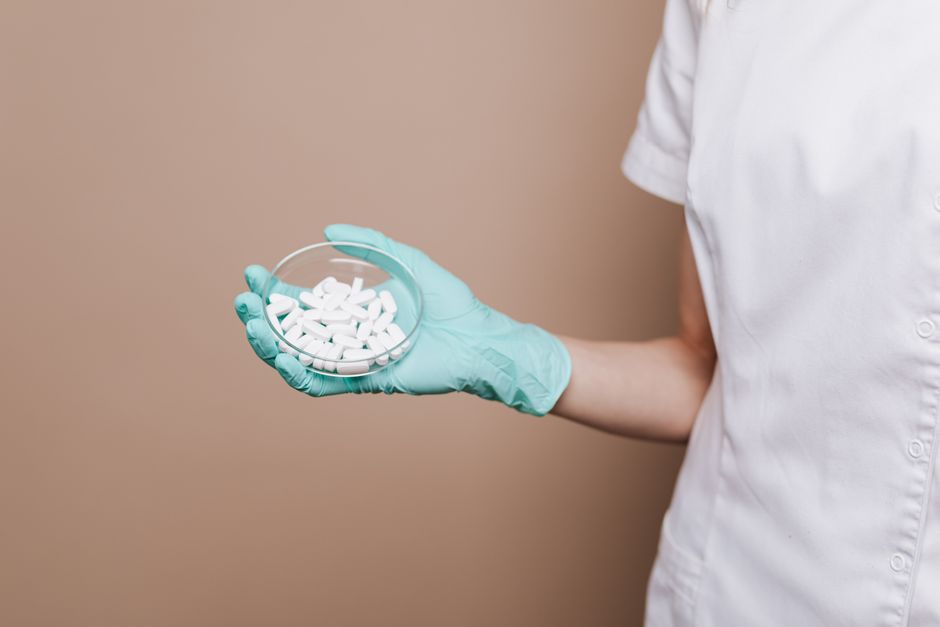
In this article, we’ll explore: Health Rounds: Glucosamine used for joint pain linked to dementia progression and why it matters today.
Related:
👉 Could Your Joint Supplement Be Clouding Your Mind? A Deep Dive into Glucosamine and Dementia
👉 Period Poverty: A Global Menstrual Health Crisis We Can No Longer Ignore
👉 BcozSheMatters: Why the New WHO and Health Ministry Campaign is a Turning Point for Women’s Wellness
Learn more: Health Rounds: Glucosamine used for joint pain linked to dementia progression on Google Search
We’ve all been there. You wake up, swing your legs out of bed, and—crack. Your knees sound like a bowl of Rice Krispies. For millions of people, that morning stiffness is just a part of life. To combat it, many reach for a bottle of glucosamine. It’s been the “gold standard” of over-the-counter joint support for decades. It’s cheap, it’s easy to find, and it feels like a proactive way to keep those hinges moving smoothly.
But lately, some headlines have been making people pause at the pharmacy aisle. You might have seen the recent report titled Health Rounds: Glucosamine used for joint pain linked to dementia progression. It sounds scary, right? One day you’re trying to fix your knees, and the next, you’re worried about your cognitive health.
In this post, we’re going to break down exactly what’s going on. We’ll look at what the research actually says, why there’s a possible connection, and whether you should be tossing your supplement bottle in the trash or keeping it right where it is.
What is Glucosamine and Why Do We Love It?
Before we dive into the heavy stuff, let’s talk about what glucosamine actually is. Naturally found in your body, it’s a compound that helps build cartilage—that rubbery tissue that cushions your joints. As we get older, our natural levels of glucosamine start to drop, which leads to the gradual breakdown of the joint. This is why so many people with osteoarthritis swear by it.
Think of glucosamine like the “grease” for a rusty door hinge. People take it hoping it will rebuild that cushion or at least slow down the “bone-on-bone” grinding that makes walking or climbing stairs so painful. For many, it’s a staple in their daily vitamin organizer, right next to the Vitamin D and the fish oil.
The “Health Rounds” Report: What Changed?
For a long time, glucosamine was actually hailed as a bit of a miracle supplement. Some studies even suggested it might be good for your heart! But the medical world is always evolving. The latest buzz surrounding Health Rounds: Glucosamine used for joint pain linked to dementia progression comes from observational data that suggests a more complicated relationship between this supplement and our brains.
Researchers have started looking at long-term users—people who have been taking glucosamine for years—and noticed a trend. In some specific groups, there appeared to be a faster progression of cognitive decline or an increased risk of dementia compared to those who weren’t taking the supplement. This sent shockwaves through the health community because, for the most part, we’ve always considered glucosamine to be “side-effect free.”
The Possible Link: Why Would a Joint Pill Affect the Brain?
You might be wondering: How does a pill for my knees end up affecting my memory? It’s a great question. The brain and the joints seem like they are worlds apart, but everything in the human body is connected through the bloodstream and metabolic processes.
Scientists have a few theories about why this link might exist, though it’s important to remember that “linked to” does not always mean “causes.” Here are the leading ideas:
- Blood Sugar Regulation: Glucosamine is an amino sugar. Some studies suggest that high doses of glucosamine might interfere with how your body processes insulin or manages blood sugar. We already know that there is a very strong link between blood sugar issues (like Type 2 Diabetes) and dementia. In fact, some doctors call Alzheimer’s “Type 3 Diabetes.”
- The O-GlcNAcylation Process: This is a fancy scientific term for how sugar molecules attach to proteins in your cells. If this process gets out of whack because of excess glucosamine, it could potentially lead to the “tangles” in the brain that are associated with Alzheimer’s disease.
- Inflammation Signaling: While glucosamine is often taken to reduce inflammation in the joints, it’s possible that in the complex environment of the brain, it could send the wrong signals to the immune system over a very long period of time.
A Real-World Example: Meet “Uncle Bob”
To make this more relatable, let’s look at a hypothetical example. Let’s talk about Uncle Bob. Bob is 68, loves to golf, but his left knee has been giving him trouble for ten years. He’s been taking a high-dose glucosamine and chondroitin supplement every single morning since 2014. Bob feels like it helps him stay on the course.
Recently, Bob’s family noticed he’s been a bit more forgetful—losing his keys, forgetting appointments. When they see the headline about Health Rounds: Glucosamine used for joint pain linked to dementia progression, they panic. They wonder if the very pill Bob took to stay active was actually hurting his mind.
Does this mean the pill caused Bob’s memory issues? Not necessarily. Bob is also at an age where cognitive decline can happen naturally. Maybe Bob has high blood pressure, or maybe he doesn’t sleep well. This is the challenge with these studies: it’s hard to pin the blame on just one supplement when life is so messy and complicated.
The Conflicting Evidence: It’s Not All Bad News
If you’re currently taking glucosamine, don’t throw it out just yet. It’s important to look at the whole picture. For every study that shows a potential risk, there is often another that shows a benefit.
In fact, some previous large-scale studies (like those using the UK Biobank data) actually suggested that glucosamine users had a lower risk of death from cardiovascular disease. Some even suggested it might lower the risk of dementia in certain populations.
So, why the contradiction? It often comes down to:
- Dosage: How much are people taking?
- Quality: Not all supplements are created equal. Some are pure; others have fillers.
- Individual Genetics: Some people might be genetically predisposed to react poorly to certain amino sugars, while others thrive on them.
What Should You Do Now?
If you are concerned about the link between glucosamine and dementia, the best thing you can do is be a proactive patient. Here is a simple game plan:
- Audit Your Supplements: Look at exactly how much glucosamine you are taking. Are you taking more than the recommended dose?
- Talk to Your Doctor: Don’t rely on “Dr. Google.” Bring the Health Rounds: Glucosamine used for joint pain linked to dementia progression topic up with your primary care physician. Ask them, “Based on my family history of dementia and my current joint health, is this supplement right for me?”
- Consider Alternatives: If you’re worried, there are other ways to manage joint pain. Physical therapy, low-impact exercise (like swimming), and other supplements like Turmeric or Omega-3 fatty acids have strong anti-inflammatory track records.
- Monitor Your Mind: Regardless of what supplements you take, keeping track of your cognitive health as you age is vital. Regular check-ups and brain-healthy habits (like puzzles and social interaction) are key.
Key Takeaways
- Recent reports have highlighted a potential link between long-term glucosamine use and the progression of dementia symptoms.
- The link may be related to how glucosamine affects blood sugar or protein structures in the brain.
- “Correlation is not causation”—just because two things happen at the same time doesn’t mean one caused the other.
- Previous studies have actually shown heart health benefits for glucosamine, making the data very conflicting.
- Always consult with a healthcare professional before starting or stopping a supplement regimen.
Frequently Asked Questions (FAQ)
1. Should I stop taking glucosamine immediately?
Not necessarily. If the supplement provides significant relief for your arthritis and you have no family history of dementia, your doctor might suggest you continue. However, if you are worried, it’s worth a conversation with a professional.
2. Does glucosamine cause Alzheimer’s?
There is no definitive proof that glucosamine causes Alzheimer’s. The current research shows an association or a “link,” which means we need more clinical trials to understand the “why” and “how.”
3. Are there safer alternatives for joint pain?
Yes. Many people find relief through anti-inflammatory diets, weight management to reduce pressure on joints, and supplements like Curcumin (Turmeric) or Fish Oil, which have not been linked to cognitive decline in the same way.
4. Why is the “Health Rounds” report significant?
It’s significant because it reminds us that supplements are “drugs” in their own right. They have biological effects on our bodies, and just because they are sold over-the-counter doesn’t mean they are completely risk-free for everyone.
5. How much glucosamine is considered “high dose”?
Most standard supplements offer 1,500mg per day. “High dose” usually refers to anything exceeding this, or taking multiple supplements that all contain glucosamine as a hidden ingredient.
Final Thoughts
Navigating the world of health news can feel like walking through a minefield. One week coffee is good for you; the next week it’s bad. The news about Health Rounds: Glucosamine used for joint pain linked to dementia progression is another reminder that science is a moving target.
The most important thing is to listen to your body. If you feel great and your mind is sharp, you might be just fine. But if you have concerns about your memory, or if you have a family history of cognitive issues, it’s always better to play it safe and look for alternative ways to keep those knees moving. After all, a healthy body is great, but a healthy mind is everything.
Written with love and assistance and refined for quality.
🔗 Related: Period poverty: A global menstrual health…
🔗 Related: Why Men Lose Weight Differently Than…
🔗 Related: Health Rounds: Glucosamine used for joint…