In this article, we’ll explore: 8 Foods To Avoid With an Upset Stomachand What To Eat Instead and why it matters today.
Related:
👉 The Inner Symphony: Understanding Hormonal Mechanisms of Women's Risk in the Face of Traumatic Stress
👉 Why Trauma Hits Women Differently: Decoding the Hormonal Mechanisms of Women's Risk in the Face of Traumatic Stress
👉 The Hidden Story of PCOS and Fertility: Understanding Impaired Endometrial Receptivity, ER, and Histone Lactylation
Learn more: 8 Foods To Avoid With an Upset Stomachand What To Eat Instead on Wikipedia
Ah, the dreaded upset stomach. We’ve all been there, haven’t we? That uncomfortable gurgle, the sudden cramp, the feeling that your insides are staging a rebellion. It’s a universal experience, and when it strikes, all you want is relief. You might instinctively reach for a warm blanket and a good book, but what you put into your body plays a monumental role in how quickly you recover – or how much worse things get.
Imagine this: You wake up feeling a bit off, maybe a little nauseous. You try to push through, but by lunchtime, your stomach is doing somersaults. Your first instinct might be to grab something ‘easy’ like a greasy burger because, well, comfort food, right? Or perhaps a strong coffee to jolt yourself awake. But these choices, while tempting, can often be the worst culprits, turning a mild rumble into a full-blown digestive disaster.
The truth is, when your stomach is feeling sensitive, it’s like a finicky toddler – it needs gentle care and the right kind of nourishment. Fueling it with the wrong things can prolong your discomfort, irritate your digestive lining, and even lead to more severe symptoms. That’s why understanding 8 foods to avoid with an upset stomach and what to eat instead is not just helpful, it’s crucial for a speedy recovery and maintaining your overall digestive health.
So, let’s dive in. We’ll explore the common culprits that can wreak havoc on an already delicate digestive system, and then, more importantly, we’ll talk about the soothing, healing alternatives that can help you feel like yourself again.
The Culinary Culprits: 8 Foods to Steer Clear Of
When your gut is feeling tender, think of it as a wound. You wouldn’t pour salt on a wound, would you? The same principle applies to your stomach. Certain foods act like irritants, making a bad situation even worse. Here are eight common offenders:
1. Spicy Foods
Oh, the fiery thrill of a jalapeño or a dash of hot sauce! While delicious for many on a normal day, when your stomach is upset, spicy foods are like pouring gasoline on a fire. Capsaicin, the compound that gives chili peppers their heat, can irritate the lining of your esophagus and stomach, leading to heartburn, indigestion, and even intensifying nausea or diarrhea. Your stomach is already inflamed; it doesn’t need an extra kick.
- What to Eat Instead: Opt for bland, non-spicy foods. Think plain boiled chicken, steamed white rice, or a simple baked potato.
2. Fried and Greasy Foods
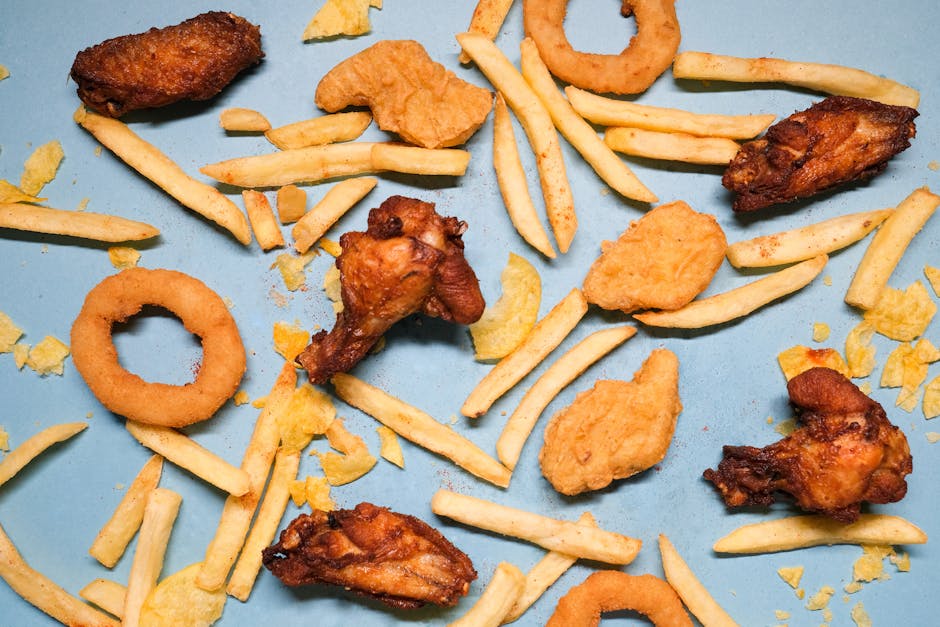
That crispy fried chicken or those golden French fries might seem like the ultimate comfort, but they are a nightmare for an upset stomach. Foods high in fat are difficult for your body to digest, requiring more effort from your digestive system. This can lead to bloating, gas, and an exacerbation of nausea or diarrhea. Imagine your stomach trying to process a heavy, oily meal when it’s already struggling – it’s an uphill battle.
- What to Eat Instead: Choose lean proteins prepared simply, like baked or grilled chicken breast, or steamed fish. Soups with a clear broth are also excellent.
3. Dairy Products (Especially Lactose)
Milk, cheese, ice cream – they’re staples in many diets. However, if you’re experiencing an upset stomach, especially if you’re even mildly lactose intolerant (which many people are without realizing it, particularly when their gut is compromised), dairy can cause significant issues. Lactose, the sugar in milk, can be hard to digest, leading to gas, bloating, and diarrhea. Even if you usually tolerate dairy, an inflamed gut might struggle to produce enough lactase (the enzyme that breaks down lactose).
- What to Eat Instead: Try lactose-free dairy alternatives or stick to water and herbal teas. If you need calcium, fortified plant-based milks (like almond or oat) might be okay in small amounts, but plain water is safest.
4. Acidic Foods and Drinks
Oranges, grapefruits, lemons, tomatoes, and even certain fruit juices can be highly acidic. While packed with vitamins, their acidity can irritate an already sensitive stomach lining, potentially leading to increased heartburn, acid reflux, and general discomfort. Think about how a lemon can make your mouth pucker – now imagine that sensation in your stomach when it’s already tender.
- What to Eat Instead: Stick to low-acid fruits like bananas, applesauce, or very ripe melons. Water is your best friend.
5. Caffeinated Beverages
Your morning coffee might be non-negotiable on a normal day, but when your stomach is in distress, it’s best to hit pause. Caffeine is a stimulant that can increase stomach acid production and act as a laxative, potentially worsening diarrhea or stomach cramps. That jolt you feel isn’t just in your brain; it’s throughout your digestive system, too.
- What to Eat Instead: Warm, soothing herbal teas like ginger or chamomile are fantastic. Decaffeinated teas or plain warm water are also good choices.
6. Alcohol
This one might seem obvious, but it bears repeating. Alcohol is a known irritant to the stomach lining. It can increase stomach acid, cause dehydration, and interfere with the normal functioning of your digestive system, leading to nausea, vomiting, and diarrhea. Even a small amount can significantly set back your recovery.
- What to Eat Instead: Absolutely no alcohol. Stick to water, clear broths, or gentle herbal teas.
7. Raw Vegetables and High-Fiber Foods
While fiber is usually fantastic for digestive health, when your stomach is upset, high-fiber foods, especially raw vegetables, can be challenging to digest. The tough cellulose in raw veggies requires more work from your gut, which can lead to increased gas, bloating, and discomfort. Picture your gut trying to break down a raw carrot when it’s already feeling weak – it’s a lot of effort.
- What to Eat Instead: Opt for cooked, easily digestible vegetables like well-cooked carrots, boiled potatoes, or steamed green beans. Remove skins from fruits and vegetables when possible.
8. Processed Foods and Sugary Snacks
Chips, cookies, candy, sugary cereals – these ultra-processed items are often low in nutrients and high in artificial ingredients, unhealthy fats, and refined sugars. They can be hard to digest, contribute to inflammation, and cause gas and bloating. The simple sugars can also feed bad bacteria in your gut, potentially worsening symptoms. Remember that time you felt even worse after eating that bag of chips when you were already feeling queasy? That’s why.
- What to Eat Instead: Focus on whole, unprocessed foods. If you crave something sweet, a ripe banana or a small amount of applesauce is a much better choice.
The Soothing Solution: What to Eat Instead
Now that we know what to avoid, let’s talk about the good stuff – the foods that can truly help soothe your stomach and aid in recovery. The key here is bland, easy-to-digest, and nutrient-rich.
1. The BRAT Diet Staples
This classic acronym stands for:
- Bananas: Easy to digest, provide potassium (often lost during vomiting/diarrhea), and can help firm up stools.
- Rice: Plain white rice is low in fiber and easy on the stomach.
- Applesauce: Cooked apples are easier to digest than raw ones and provide pectin, which can help with diarrhea.
- Toast: Plain white toast (without butter or jam) is simple to digest.
These foods are gentle, low in fiber, and unlikely to irritate your stomach.
2. Ginger
Ginger is a natural anti-inflammatory and anti-nausea powerhouse. Whether it’s in a warm tea (fresh ginger steeped in hot water), ginger ale (check for real ginger and low sugar), or even a small piece of candied ginger, it can work wonders for calming an unsettled stomach.
3. Clear Broths and Soups
Chicken broth or vegetable broth (low sodium) provides essential fluids and electrolytes, helping to prevent dehydration without overloading your digestive system. It’s warm, comforting, and easy to consume when you don’t feel like eating solid food.
4. Boiled or Steamed Lean Proteins
Once you’re ready for more solid food, plain boiled or steamed chicken breast or white fish can provide much-needed protein without the added fat that can cause discomfort. Keep seasonings to a minimum.
5. Oatmeal
Plain oatmeal (made with water, not milk) is a good source of soluble fiber, which can be soothing to the digestive tract. It’s easy to digest and provides sustained energy.
6. Herbal Teas
Beyond ginger, peppermint and chamomile teas are excellent choices. Peppermint can help relax digestive muscles, easing cramps, while chamomile is known for its anti-inflammatory and calming properties.
Key Takeaways for a Happy Gut
- Listen to Your Body: Your stomach will tell you what it can handle. Start with small amounts of bland foods and gradually reintroduce others.
- Hydration is Key: When your stomach is upset, especially with vomiting or diarrhea, you lose vital fluids and electrolytes. Sip on water, clear broths, and electrolyte solutions.
- Go Bland, Go Simple: The less work your digestive system has to do, the better. Stick to easily digestible, low-fat, low-fiber, and non-acidic foods.
- Avoid Triggers: Be mindful of the 8 foods discussed – they are common culprits for a reason.
- Patience is a Virtue: Don’t rush back to your normal diet. Give your digestive system time to heal and recover fully.
Frequently Asked Questions About Upset Stomachs and Food
Q1: How long should I stick to a bland diet after an upset stomach?
A1: It depends on the severity and cause of your upset stomach. Generally, you should stick to bland foods for at least 24-48 hours after your symptoms have subsided. Gradually reintroduce other foods, one at a time, to see how your body reacts. If symptoms return, go back to the bland diet for a bit longer.
Q2: Can probiotics help with an upset stomach?
A2: Yes, probiotics can be beneficial, especially after an upset stomach caused by a stomach bug or antibiotics. They help restore the balance of good bacteria in your gut. However, it’s best to introduce them once you’re past the acute phase of severe symptoms and can tolerate food. Talk to your doctor before starting any new supplements.
Q3: Is it okay to eat fruit when my stomach is upset?
A3: Some fruits are better than others. Bananas and applesauce are excellent choices due to their blandness and ease of digestion. Avoid high-acid fruits like citrus, and high-fiber raw fruits like berries or pears with skins, as they can be harder on a sensitive stomach. Cooked, peeled fruits are generally better tolerated.
Q4: What if I have no appetite at all? Should I force myself to eat?
A4: If you have absolutely no appetite, don’t force solid food. The most important thing is to stay hydrated. Sip on water, clear broths, or electrolyte solutions. Once you feel a slight flicker of hunger, start with very small amounts of bland foods like toast or crackers. Listen to your body; it will tell you when it’s ready for food.
Dealing with an upset stomach is never fun, but by making smart, informed choices about what you eat, you can significantly ease your discomfort and speed up your recovery. Remember, your digestive system is a complex and vital part of your body. Treat it with kindness, especially when it’s feeling vulnerable, and it will thank you by getting back to its happy, healthy self much sooner. Here’s to feeling better, one gentle bite at a time!
Written with love and assistance and refined for quality.
{“@context”:”https://schema.org”,”@type”:”Article”,”headline”:”Battling the Belly Blues? Here Are 8 Foods To Avoid With an Upset Stomach and What To Eat Instead”,”description”:”In this article, weu2019ll explore: 8 Foods To Avoid With an Upset Stomachand What To Eat Instead and why it…”,”author”:{“@type”:”Person”,”name”:”rahuljait”},”datePublished”:”2026-05-13T17:45:53+00:00″,”dateModified”:”2026-05-13T17:45:53+00:00″,”mainEntityOfPage”:”https://healthyworldz.com/battling-the-belly-blues-here-are-8-foods-to-avoid-with-an-upset-stomach-and-what-to-eat-instead/”,”image”:[“https://healthyworldz.com/wp-content/uploads/2026/05/8-foods-to-avoid-with-an-upset-stomachand-what-to-eat-instead-41.jpg”]}
🔗 Related: Hormonal mechanisms of womens risk in…
🔗 Related: Hormonal mechanisms of womens risk in…
🔗 Related: Hormonal mechanisms of womens risk in…