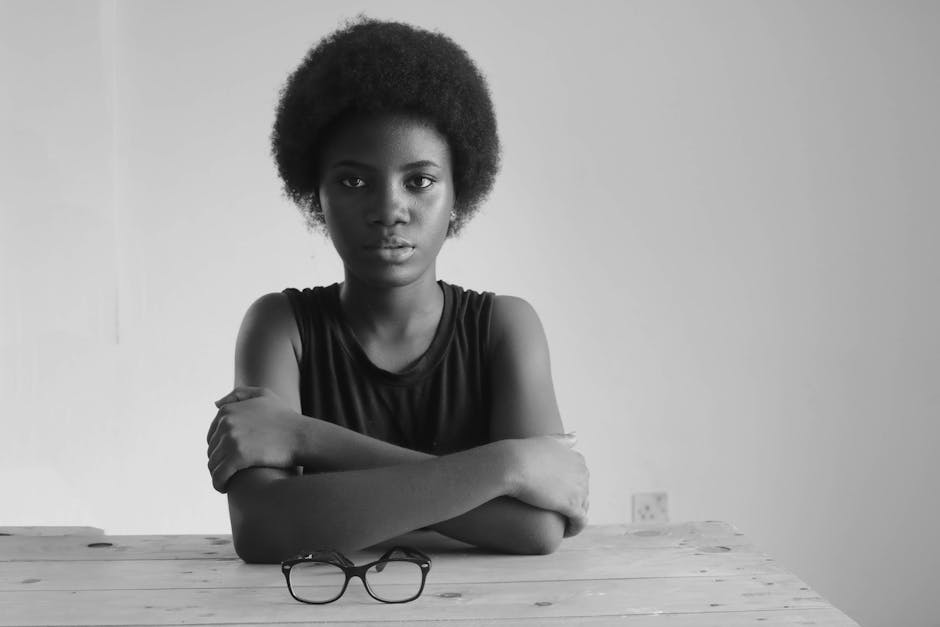
In this article, we’ll explore: BcozSheMatters: WHO Health Ministry roll out campaign on women and girls health and well-being and why it matters today.
Related:
👉 Closing the Gap: Why Women’s Health Needs a Bold System Redesign
👉 BcozSheMatters: Why the WHO Health Ministry Campaign is a Game-Changer for Women and Girls
👉 The Science of PCOS and Pregnancy: Why Women with Polycystic Ovary Syndrome Exhibit Impaired Endometrial Receptivity with Excessive ER and Histone Lactylation
Imagine a world where every woman, regardless of where she lives or how much she earns, has the tools to take charge of her own health. Imagine a young girl in a remote village who doesn’t have to miss school because she lacks menstrual hygiene products, or a new mother who feels supported rather than overwhelmed by postpartum depression. This isn’t just a dream anymore—it’s the driving force behind a massive new movement.
The recent announcement of BcozSheMatters: WHO Health Ministry roll out campaign on women and girls health and well-being has sent a wave of hope across the globe. This isn’t just another bureaucratic health program with a long name; it is a heartfelt, boots-on-the-ground initiative designed to bridge the gap between healthcare policy and the real-life struggles of women and girls everywhere.
In this post, we’re going to dive deep into what this campaign actually means for you, your sisters, your mothers, and your daughters. We’ll look at the pillars of the program, the real-world impact it aims to achieve, and why the “well-being” aspect is just as important as physical health.
The Heart of the Movement: What is BcozSheMatters?
At its core, the BcozSheMatters campaign is a collaborative effort between the World Health Organization (WHO) and national Health Ministries. For too long, women’s health has been pigeonholed into “maternal health”—basically, how women fare during pregnancy and childbirth. While that is incredibly important, it isn’t the whole story.
The BcozSheMatters: WHO Health Ministry roll out campaign on women and girls health and well-being recognizes that a woman’s health journey starts in childhood and continues through adolescence, adulthood, and old age. It covers everything from nutrition and mental health to preventative screenings for non-communicable diseases like breast cancer and diabetes.
The campaign uses the hashtag #BcozSheMatters to remind society that when a woman is healthy, her family thrives, her community prospers, and the economy grows. It’s a holistic approach that treats women as complete human beings, not just “patients.”
Breaking Down the Four Pillars of the Campaign
To make a real difference, the WHO and the Health Ministry have structured this campaign around four critical areas. Let’s look at how these pillars translate into real-world changes.
1. Adolescent Health and Menstrual Dignity
For many girls, the transition into womanhood is marked by shame and confusion. In many parts of the world, “period poverty” is a harsh reality. The BcozSheMatters campaign is working to ensure that schools are equipped with proper sanitation and that girls have access to affordable hygiene products. By normalizing the conversation around menstruation, the campaign keeps girls in school and boosts their confidence.
2. Maternal Health and Beyond
While the campaign looks at the big picture, it doesn’t ignore the essentials. It aims to reduce maternal mortality by providing better access to prenatal care and skilled birth attendants. However, it goes a step further by focusing on “post-natal well-being.” This means checking in on the mother’s physical recovery and mental state long after she leaves the hospital.
3. Mental Health and Emotional Resilience
This is perhaps the most “human” part of the initiative. Women are statistically more likely to experience anxiety and depression, often due to societal pressures, caregiving burdens, and hormonal changes. The campaign is rolling out community-based support groups and digital mental health resources, making it okay to say, “I’m not okay.”
4. Preventative Screenings for Chronic Diseases
Early detection saves lives. The campaign is setting up mobile screening clinics to reach women in “healthcare deserts.” Whether it’s a mammogram, a pap smear, or a simple blood pressure check, the goal is to catch issues before they become life-threatening crises.
Real-World Example: Sarah’s Story
To understand the impact of BcozSheMatters: WHO Health Ministry roll out campaign on women and girls health and well-being, let’s look at a fictional but very realistic example. Meet Sarah, a 34-year-old mother of two living in a suburban neighborhood.
Sarah always put her kids first. If she had a spare $50, it went to new shoes for her son, not a doctor’s visit for her nagging back pain or her persistent fatigue. She felt “burnt out,” but she assumed that was just part of being a mom. Under the BcozSheMatters initiative, Sarah’s local community center hosted a “Wellness Day.”
Because the event was free and offered childcare on-site, Sarah went. She received a thyroid screening that explained her fatigue and sat in on a 20-minute session about “The Myth of the Supermom.” For the first time in years, Sarah felt seen. She realized that her health wasn’t a luxury—it was a necessity for her family’s stability. That is the BcozSheMatters effect in action.
Why This Campaign is Different
You might be thinking, “Haven’t we seen health campaigns before?” Yes, we have. But the BcozSheMatters: WHO Health Ministry roll out campaign on women and girls health and well-being is different for three main reasons:
- Integrated Technology: The campaign uses a dedicated app where women can track their health milestones, get reminders for screenings, and chat with health educators in real-time.
- Focus on Policy: It’s not just about giving advice; it’s about changing laws. The Health Ministry is working to ensure that workplaces provide better support for breastfeeding mothers and mental health days.
- Community-Led: Instead of experts lecturing from a stage, the campaign trains “Health Ambassadors” within local neighborhoods. These are women who talk to their peers over coffee or at the market, making health advice relatable and trustworthy.
The Economic Impact: Why Investing in Women is Smart
It’s not just about “doing the right thing.” There is a hard-nosed economic reason why the WHO is pushing this so hard. When women are healthy, they participate more fully in the workforce. When girls stay in school because their health needs are met, they earn higher wages later in life.
Studies have shown that every dollar invested in women’s health returns many times over in economic productivity. By launching the BcozSheMatters campaign, the Health Ministry is essentially investing in the future GDP of the nation. It turns out that “She Matters” is not just a slogan; it’s a sound financial strategy.
Key Takeaways from the BcozSheMatters Initiative
- Holistic Care: The campaign covers physical, mental, and reproductive health across all ages.
- Accessibility: Focuses on reaching underserved communities through mobile clinics and digital tools.
- Empowerment: Encourages women to prioritize their own well-being without guilt.
- Collaboration: Combines the global expertise of the WHO with the local reach of the Health Ministry.
- Education: Aims to break taboos around menstruation and mental health.
How You Can Get Involved
You don’t have to be a doctor or a policymaker to support the BcozSheMatters: WHO Health Ministry roll out campaign on women and girls health and well-being. Here’s how you can help:
First, educate yourself and the women in your life. Share the resources provided by the campaign. Second, advocate for better health facilities in your local area. And finally, use the hashtag #BcozSheMatters to share your own health journey or to support others. Sometimes, the most powerful thing a woman can hear is, “You’re not alone, and your health matters.”
Conclusion: A New Chapter in Healthcare
The rollout of the BcozSheMatters campaign marks a turning point. It’s an acknowledgment that for too long, women’s health has been an afterthought or a specialized niche. By bringing it to the forefront, the WHO and the Health Ministry are saying loudly and clearly that the health of a nation is only as strong as the health of its women and girls.
As this campaign moves from city to city and village to village, it carries with it the potential to save millions of lives—not just by curing disease, but by fostering a culture of well-being, dignity, and empowerment. Because at the end of the day, we do this because she matters. She always has.
Frequently Asked Questions (FAQ)
What is the main goal of the BcozSheMatters campaign?
The main goal is to provide a holistic approach to the health and well-being of women and girls, covering everything from menstrual hygiene and maternal care to mental health and chronic disease prevention.
Who is organizing this initiative?
It is a joint effort between the World Health Organization (WHO) and the national Health Ministry, ensuring that global health standards are met with local, culturally relevant implementation.
Is this campaign only for women in developing countries?
No. While the campaign has a strong focus on underserved areas, the principles of BcozSheMatters—such as mental health awareness and preventative screenings—are relevant to women in every country and socioeconomic background.
How can I find out if there are BcozSheMatters events near me?
You can check the official website of your local Health Ministry or follow the #BcozSheMatters hashtag on social media for updates on mobile clinics, workshops, and wellness days.
Does the campaign address mental health?
Yes, mental health is one of the core pillars. The campaign aims to reduce the stigma surrounding anxiety, depression, and postpartum issues, providing resources and community support for emotional well-being.
Written with love and assistance and refined for quality.
{“@context”:”https://schema.org”,”@type”:”Article”,”headline”:”BcozSheMatters: Why the New WHO and Health Ministry Campaign is a Game-Changer for Womenu2019s Well-being”,”description”:”In this article, weu2019ll explore: BcozSheMatters: WHO Health Ministry roll out campaign on women and girls health and well-being and…”,”author”:{“@type”:”Person”,”name”:”Dr. Cuterus”},”datePublished”:”2026-06-08T09:07:01+00:00″,”dateModified”:”2026-06-08T09:07:01+00:00″,”mainEntityOfPage”:”https://healthyworldz.com/bcozshematters-why-the-new-who-and-health-ministry-campaign-is-a-game-changer-for-womens-well-being/”,”image”:[“https://healthyworldz.com/wp-content/uploads/2026/06/bcozshematters-who-health-ministry-roll-out-campaign-on-women-and-girls-health-and-well-being-41.jpg”]}
🔗 Related: Why Am I Losing Inches But…
🔗 Related: Sirona Foundation Promotes Menstrual Hygiene and…
🔗 Related: Why womens health needs a system…