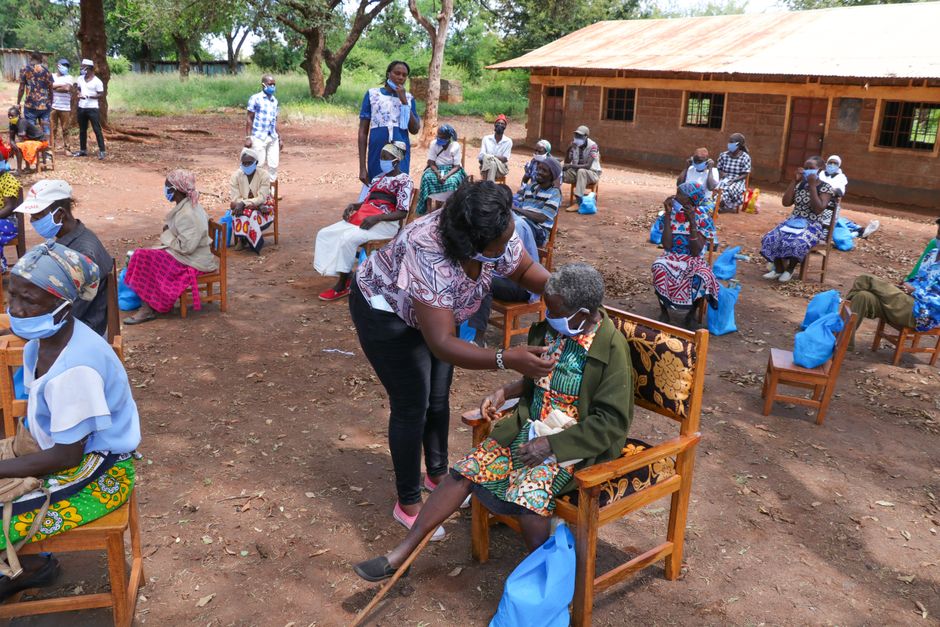
In this article, we’ll explore: BcozSheMatters: WHO Health Ministry roll out campaign on women and girls health and well-being and why it matters today.
Related:
👉 Why Women’s Health Needs a System Redesign to Close the Diagnostics Gap
👉 Why the New #BcozSheMatters Campaign is a Game-Changer for Women’s Health Everywhere
👉 Breaking the Silence: How Sirona Foundation Promotes Menstrual Hygiene and Sustainable Period Care in India
Learn more: BcozSheMatters: WHO Health Ministry roll out campaign on women and girls health and well-being on Wikipedia
We’ve all seen her. She’s the mother who ensures everyone has a warm meal before she even thinks about her own plate. She’s the young student who pushes through debilitating monthly pain because “that’s just how it is.” She’s the professional who manages a high-stress career and a household, often at the expense of her own mental peace. For too long, women’s health has been treated as a footnote—a specialized niche rather than a global priority.
That is finally changing. With the launch of BcozSheMatters: WHO Health Ministry roll out campaign on women and girls health and well-being, we are seeing a monumental shift in how the world views the health of half its population. This isn’t just another government initiative with a fancy acronym; it’s a movement designed to put women’s physical, mental, and social health at the very center of the global agenda.
In this post, we’ll dive deep into what this campaign means, why it’s happening now, and how it aims to change the lives of millions of girls and women across the globe.
What Exactly is the BcozSheMatters Campaign?
At its core, the initiative is a collaborative effort between the World Health Organization (WHO) and regional Health Ministries. The campaign, titled BcozSheMatters: WHO Health Ministry roll out campaign on women and girls health and well-being, is built on the realization that a woman’s health is the foundation of a healthy society. When a woman is healthy, her children are more likely to survive and thrive, her community is more productive, and the economy grows.
The campaign focuses on a “life-course approach.” This means it doesn’t just look at maternal health (pregnancy and childbirth), but follows a girl from infancy through adolescence, adulthood, and into her senior years. It recognizes that the health challenges a 14-year-old girl faces are vastly different from those of a 60-year-old woman, yet they are all interconnected.
The Heart of the Matter: Why Now?
You might be wondering, “Why do we need a specific campaign for this?” The reality is that despite medical advancements, women still face significant barriers to healthcare. Let’s look at a few reasons why this rollout is so urgent:
- The “Invisible” Pain: Conditions like endometriosis, PCOS, and even heart disease symptoms in women are often dismissed or misdiagnosed.
- The Mental Load: Women are statistically more likely to experience anxiety and depression, often linked to societal pressures and the “double burden” of work and home life.
- Access Barriers: In many parts of the world, a woman cannot seek medical care without the permission of a male relative, or she simply lacks the financial means to prioritize herself.
The BcozSheMatters: WHO Health Ministry roll out campaign on women and girls health and well-being aims to break these barriers by bringing care directly to the doorstep and educating communities to dismantle the stigma surrounding women’s health.
A Story of Change: Meet Maria
To understand the impact, let’s look at Maria, a 34-year-old living in a rural area. For years, Maria suffered from chronic fatigue and “mystery” pains. She assumed it was just the stress of life. Through a local clinic participating in the BcozSheMatters campaign, she was finally screened for iron deficiency and thyroid issues—simple tests that had been overlooked for a decade. Today, Maria isn’t just “surviving”; she’s thriving. This is the human face of policy change.
The Three Main Pillars of the Campaign
The campaign isn’t just throwing money at hospitals. It is structured around three strategic pillars that ensure long-term sustainability.
1. Preventive Care and Early Screening
Prevention is always better (and cheaper) than a cure. The campaign is rolling out massive screening programs for cervical cancer, breast cancer, and non-communicable diseases like diabetes and hypertension. By catching these issues early, the campaign aims to save millions of lives that are currently lost to preventable causes.
2. Mental Health and Emotional Resilience
This is perhaps the most “human” part of the initiative. For the first time, there is a massive push to integrate mental health services into primary care for women. This includes postpartum depression support, counseling for survivors of domestic violence, and stress management workshops for young girls in schools.
3. Nutritional Security
Anemia remains a silent crisis among women globally. The campaign focuses on nutritional education and providing access to fortified foods and supplements, ensuring that girls grow up with the physical strength to pursue their dreams.
How the Campaign is Reaching the “Last Mile”
One of the most impressive aspects of the BcozSheMatters: WHO Health Ministry roll out campaign on women and girls health and well-being is its use of technology and community leadership. It’s not just about big city hospitals; it’s about the “last mile.”
- Mobile Health Vans: These “clinics on wheels” travel to remote villages to provide checkups and vaccinations.
- Digital Health Apps: A new platform allows women to track their cycles, get pregnancy advice, and chat with a healthcare provider anonymously.
- Community Champions: The campaign trains local women to become health advocates, teaching them how to talk to their neighbors about hygiene, nutrition, and mental health.
The Economic Ripple Effect
We often talk about health as a moral issue, but it’s also an economic one. When the WHO and Health Ministries invest in women, the return on investment is staggering. Studies show that for every dollar invested in women’s health, there is an economic return of about $20. This happens because healthy women are more likely to participate in the workforce, and their children stay in school longer, breaking the cycle of poverty.
By launching BcozSheMatters: WHO Health Ministry roll out campaign on women and girls health and well-being, governments are essentially investing in the future of their GDP. It’s a win-win for everyone.
Key Takeaways from the BcozSheMatters Initiative
- Holistic Focus: It covers everything from menstrual hygiene to geriatric care.
- Breaking Stigma: It encourages open conversations about “taboo” topics like reproductive health and mental illness.
- Community-Led: Success relies on local women leading the charge in their own neighborhoods.
- Data-Driven: The campaign uses real-time data to identify which regions need the most help.
- Inclusion: It specifically targets marginalized groups, including women with disabilities and those in conflict zones.
Final Thoughts: Why We Should All Care
At the end of the day, the BcozSheMatters: WHO Health Ministry roll out campaign on women and girls health and well-being is a reminder that we are all connected. A daughter’s health affects her father; a wife’s well-being affects her husband; a grandmother’s wisdom affects the entire family.
When we say “Because She Matters,” we aren’t saying she matters more than anyone else. We are saying that for too long, she has been told she matters less. This campaign is the correction to that historical mistake. It is an invitation for all of us—men and women alike—to support the health and happiness of the women in our lives.
So, the next time you see a health camp in your area or a digital ad for the BcozSheMatters initiative, take a moment to share it. Knowledge is the first step toward healing, and together, we can ensure that every girl and woman has the chance to live a long, healthy, and vibrant life.
Frequently Asked Questions (FAQ)
1. Who can participate in the BcozSheMatters campaign?
The campaign is designed for all women and girls, regardless of age or background. Many of the services are offered through local government health centers and community outreach programs.
2. Is this campaign only for developing countries?
While the focus is heavy on regions with high mortality rates, the principles of the BcozSheMatters: WHO Health Ministry roll out campaign on women and girls health and well-being are global. Even in developed nations, women face health disparities that this campaign seeks to address.
3. How does the campaign address mental health?
The campaign integrates mental health screenings into regular checkups. It also funds community support groups and provides training for healthcare workers to recognize signs of depression and anxiety in women.
4. Can men support the BcozSheMatters initiative?
Absolutely! Men play a crucial role as allies. By supporting the health choices of the women in their families and advocating for equal access to care, men are vital to the campaign’s success.
5. Where can I find more information about local events?
You can visit the official website of your national Health Ministry or the WHO regional page. Many updates are also shared via social media using the campaign hashtag.
Written with love and assistance and refined for quality.
{“@context”:”https://schema.org”,”@type”:”Article”,”headline”:”BcozSheMatters: Why the WHO Health Ministry Campaign is a Game-Changer for Women and Girls”,”description”:”In this article, weu2019ll explore: BcozSheMatters: WHO Health Ministry roll out campaign on women and girls health and well-being and…”,”author”:{“@type”:”Person”,”name”:”Dr. Cuterus”},”datePublished”:”2026-06-08T08:06:46+00:00″,”dateModified”:”2026-06-08T08:06:46+00:00″,”mainEntityOfPage”:”https://healthyworldz.com/bcozshematters-why-the-who-health-ministry-campaign-is-a-game-changer-for-women-and-girls/”,”image”:[“https://healthyworldz.com/wp-content/uploads/2026/06/bcozshematters-who-health-ministry-roll-out-campaign-on-women-and-girls-health-and-well-being-40.jpg”]}
🔗 Related: Why womens health needs a system…