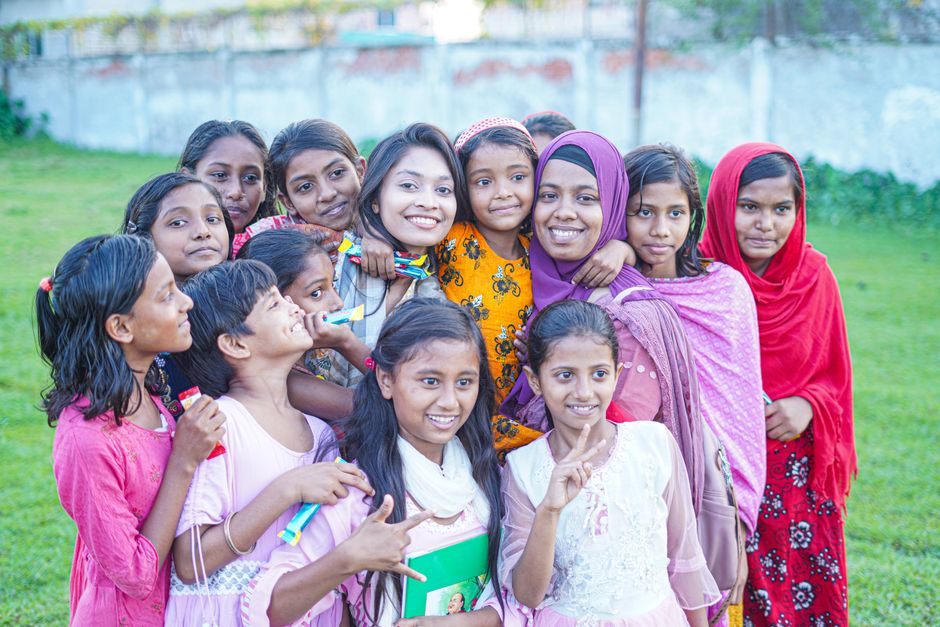
In this article, we’ll explore: Sirona Foundation Promotes Menstrual Hygiene and Sustainable Period Care in India and why it matters today.
Related:
👉 BcozSheMatters: Why the New WHO Health Ministry Campaign is a Game-Changer for Women and Girls Everywhere
👉 Why Trauma Hits Differently: Understanding the Hormonal Mechanisms of Womens Risk in the Face of Traumatic Stress
👉 Changing Lives One Cup at a Time: How Sirona Foundation Promotes Menstrual Hygiene and Sustainable Period Care in India
Learn more: Sirona Foundation Promotes Menstrual Hygiene and Sustainable Period Care in India on Wikipedia
Imagine being a fourteen-year-old girl named Meera, living in a small village in rural Rajasthan. Every month, for five days, Meera stops going to school. It’s not because she’s sick or because she doesn’t want to learn. It’s because her period has started, and she doesn’t have access to a single sanitary pad. Instead, she uses old, coarse rags that leak and cause painful rashes. The shame and the physical discomfort are enough to make her stay hidden at home.
Meera’s story isn’t an isolated incident. It is the reality for millions of women and girls across India. Period poverty is a silent crisis that affects education, health, and dignity. However, there is a wave of change sweeping across the country, led by organizations that believe a natural biological process should never be a barrier to a woman’s dreams. At the forefront of this movement, the Sirona Foundation Promotes Menstrual Hygiene and Sustainable Period Care in India through innovative solutions and grassroots education.
In this post, we’ll dive deep into how this foundation is changing the narrative, why sustainability is the key to solving period poverty, and the incredible impact they are making on the ground.
The Harsh Reality of Menstrual Hygiene in India
Before we look at the solutions, we have to understand the scale of the problem. In India, menstruation is often shrouded in myths and taboos. In some households, women aren’t allowed in the kitchen or are forbidden from touching pickles during their periods. But the issues go far beyond social taboos.
Statistics show that nearly 23 million girls drop out of school annually in India once they start menstruating due to a lack of proper toilets and access to sanitary products. Many women use ash, husks, or dirty rags, which leads to severe reproductive tract infections (RTIs). While disposable pads have become more common in cities, they present a new problem: waste. A single disposable pad takes 500 to 800 years to decompose. With billions of pads ending up in landfills every year, the environmental cost is staggering.
This is where the Sirona Foundation steps in. They realized that giving out free pads is a short-term fix. To create long-term change, we need something that is affordable, healthy, and eco-friendly.
How Sirona Foundation Promotes Menstrual Hygiene and Sustainable Period Care in India
The Sirona Foundation, the social responsibility arm of Sirona Hygiene, doesn’t just want to provide a product; they want to provide a permanent solution. Their approach is built on three pillars: Awareness, Access, and Sustainability.
1. Moving Beyond Disposables: The Power of the Menstrual Cup
One of the most revolutionary ways the Sirona Foundation Promotes Menstrual Hygiene and Sustainable Period Care in India is by introducing menstrual cups to underprivileged communities. For a woman living in a slum or a remote village, buying a pack of pads every month is a financial burden she often can’t afford.
A menstrual cup, made of medical-grade silicone, can last up to 10 years. By donating these cups and, more importantly, teaching women how to use them, the foundation is giving them a decade of period dignity. No more recurring costs, no more rashes, and no more secretively burying used pads in the ground.
2. The “Period Fellow” Program
You can’t just hand someone a menstrual cup and walk away. It requires a mindset shift. The Sirona Foundation’s “Period Fellow” program is a brilliant initiative where young advocates are trained to go into communities and lead the conversation. These fellows talk to women about their bodies, explain the science of menstruation, and debunk myths that have existed for generations.
They use simple language and relatable stories to make women feel comfortable. When a woman sees another woman from her own community talking openly about periods, the wall of shame begins to crumble.
Real-World Impact: Storytelling from the Ground
Let’s talk about Lakshmi, a waste picker from Delhi. For years, Lakshmi struggled with the cost of pads. She often resorted to using pieces of cloth she found in the trash, which led to frequent infections. When the Sirona Foundation team met her, she was skeptical. A silicone cup seemed “foreign” and intimidating.
Through the foundation’s training sessions, Lakshmi learned about the anatomy of her body and how to sterilize the cup. Today, Lakshmi is not just a user; she is an advocate. She tells the women in her colony how the cup has saved her money and allowed her to work long hours without the fear of leaking. This is the real-world impact of how the Sirona Foundation Promotes Menstrual Hygiene and Sustainable Period Care in India—it turns beneficiaries into leaders.
Why Sustainability Matters for the Future of India
When we talk about “sustainable period care,” we aren’t just talking about the environment. We are talking about the sustainability of a woman’s health and her finances. Here is why the Sirona Foundation focuses so heavily on eco-friendly options:
- Waste Reduction: India generates over 12 billion used sanitary pads every year. Most of these end up in landfills or water bodies. Sustainable products like cups and reusable pads eliminate this waste entirely.
- Health Benefits: Many disposable pads contain chemicals, fragrances, and plastic that can cause irritation. Medical-grade silicone cups are inert and much safer for the body.
- Economic Empowerment: By switching to a reusable product, a woman saves thousands of rupees over a decade. That money can then be spent on food, education, or starting a small business.
The Challenges of Breaking Taboos
It’s not all smooth sailing. Promoting menstrual hygiene in India comes with massive challenges. In many conservative areas, there is a fear that using a menstrual cup will interfere with “virginity.” The Sirona Foundation works tirelessly to address these misconceptions through medical facts and sensitive communication.
They often involve local leaders, ASHAs (Accredited Social Health Activists), and doctors to validate the information. By building trust within the community, they ensure that the adoption of sustainable period care is voluntary and informed.
Key Takeaways from Sirona Foundation’s Work
- Education is Priority: Products alone won’t solve period poverty; education and breaking taboos are the foundation of change.
- Sustainability is the Future: Menstrual cups are a game-changer for rural India, offering a 10-year solution to a monthly problem.
- Community Involvement: Training local “Period Fellows” ensures that the message of hygiene reaches the deepest corners of the country.
- Environmental Responsibility: Reducing plastic waste from periods is crucial for India’s ecological health.
The Road Ahead: A Period-Positive India
The work of the Sirona Foundation is a testament to what happens when innovation meets empathy. By focusing on sustainable solutions, they aren’t just giving women a product; they are giving them their time, their health, and their confidence back.
As more people become aware of how the Sirona Foundation Promotes Menstrual Hygiene and Sustainable Period Care in India, the movement grows. The goal is a future where no girl has to drop out of school because of her period, and no woman has to choose between buying food or buying a pad. It’s a long road, but with every cup distributed and every myth debunked, we are getting closer to a “Period-Positive” India.
Frequently Asked Questions (FAQ)
What exactly does the Sirona Foundation do?
The Sirona Foundation is a non-profit organization that works to eliminate period poverty in India. They focus on providing menstrual hygiene education and distributing sustainable period products, like menstrual cups, to women in underprivileged communities.
Why does the foundation promote menstrual cups over pads?
Menstrual cups are more sustainable both for the environment and for the user’s wallet. One cup can last up to 10 years, whereas pads are a recurring monthly expense and create a massive amount of non-biodegradable waste.
How can I contribute to the Sirona Foundation’s mission?
You can support the cause by donating through their official website, volunteering for their awareness programs, or simply by switching to sustainable period care yourself and spreading the word to reduce the stigma surrounding menstruation.
Is the menstrual cup safe for women in rural areas?
Yes, the foundation provides extensive training on how to use, clean, and sterilize the cup. When used correctly, menstrual cups are a very safe and hygienic option, even in areas with limited resources.
Does the foundation work with schools?
Yes, the Sirona Foundation often conducts workshops in schools to educate young girls about puberty and menstrual hygiene, helping to reduce dropout rates caused by the onset of periods.
Written with love and assistance and refined for quality.
🔗 Related: Hormonal mechanisms of womens risk in…
🔗 Related: How the 4-Day Week Benefits Women…