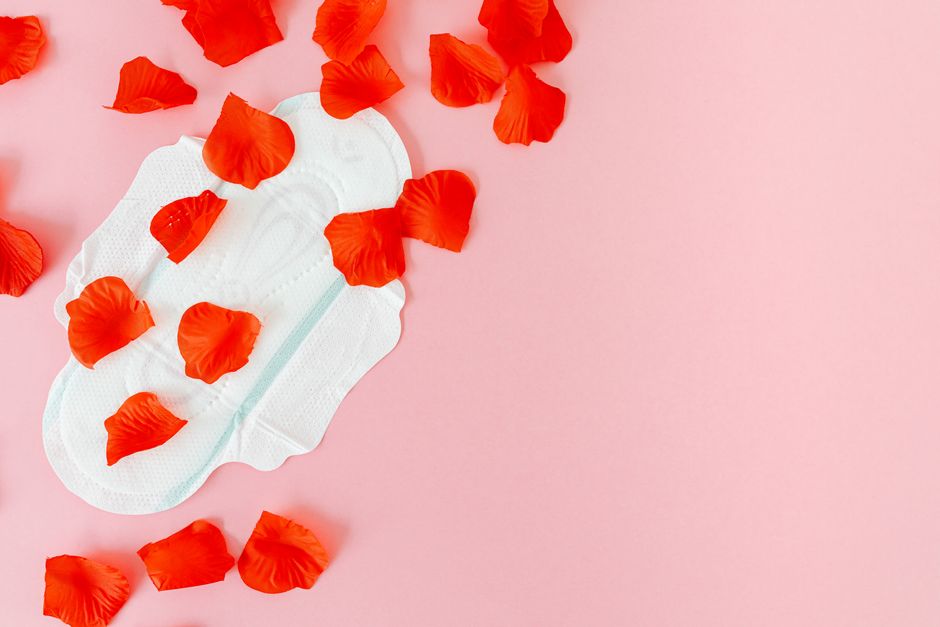
In this article, we’ll explore: Period poverty: A global menstrual health crisis and why it matters today.
Related:
👉 Genelia DSouza opens up about menopause shaming: Im much cooler at 40
👉 BcozSheMatters: Why the WHO Health Ministry’s New Campaign is a Game-Changer for Women and Girls Everywhere
👉 Beyond the Name: Why For Millions of Women PCOS Was Never Just About the Ovaries
Learn more: Period poverty: A global menstrual health crisis on Investopedia
Imagine for a moment that every single month, you had to choose between buying a loaf of bread for your family or buying a pack of menstrual pads. Imagine having to use old newspapers, dried leaves, or even rusted tin cans to manage your period because you simply couldn’t afford anything else. For many of us, a trip to the pharmacy for tampons or pads is a minor inconvenience—a routine errand we barely think about. But for millions of people around the world, it is a luxury they cannot reach.
This isn’t just a “women’s issue.” This is a human rights issue. When we talk about period poverty: a global menstrual health crisis, we are talking about a systemic failure that affects education, health, and the basic dignity of nearly half the world’s population. It is a quiet emergency that happens behind closed doors, fueled by shame and a lack of resources.
In this post, we’re going to dive deep into what period poverty really looks like, why it’s happening, and what we can do to fix it. Let’s break the silence.
What Exactly is Period Poverty?
Period poverty is a term that describes the lack of access to menstrual products, hygiene facilities, and waste management. But it goes much deeper than just “not having pads.” It also includes a lack of education about menstruation and the social stigma that makes people feel ashamed of a natural biological process.
To understand the full scope of the problem, we have to look at the three main pillars of menstrual health:
- Access to Products: This includes pads, tampons, menstrual cups, or reusable liners. When these are too expensive, people turn to unsafe alternatives.
- Access to Facilities: You can have all the pads in the world, but if you don’t have a private toilet with clean water and soap to wash yourself, you cannot manage your period safely.
- Access to Information: Many young girls reach puberty without ever having been told what a period is. This leads to fear, confusion, and the belief that they are “dirty” or “sick.”
The Hidden Cost of Being a Woman
The financial burden of menstruation is staggering. Over a lifetime, a person might spend thousands of dollars on menstrual products. In low-income households, this “pink tax” can be the difference between paying the electricity bill and maintaining basic hygiene. When we call period poverty: a global menstrual health crisis, we are acknowledging that biology should never be a barrier to economic stability.
Real-World Examples: A Crisis Without Borders
Period poverty doesn’t care about geography. It looks different in London than it does in Nairobi, but the core struggle remains the same. Here are a few examples of how this crisis manifests around the world.
The Struggle in the United States and the UK
We often think of period poverty as a problem only in “developing” nations, but that is a myth. In the United States, one in four teens has struggled to afford period products. Many students report skipping school because they are afraid of leaking through their clothes. In the UK, food banks have seen a massive surge in requests for menstrual products, as families are forced to prioritize food over hygiene.
The Challenge in Sub-Saharan Africa
In countries like Kenya and Ethiopia, the lack of private toilets in schools is a major hurdle. Many girls stay home for an entire week every month. This adds up to about 20% of the school year. When a girl falls behind in her education, she is more likely to drop out, enter an early marriage, and remain trapped in a cycle of poverty. Here, a simple pad isn’t just a hygiene item; it’s a tool for empowerment.
The Stigma in Nepal and India
In some parts of Nepal, the practice of “Chhaupadi” (though technically outlawed) still exists. This is where menstruating women are considered “impure” and are forced to sleep in outdoor huts, exposed to the elements and danger. In India, while progress is being made, many women still use sand, ash, or rags, leading to severe reproductive tract infections.
The Ripple Effect: How Period Poverty Impacts Society
When someone experiences period poverty, the effects ripple out far beyond their own body. It affects their mental health, their education, and the economy at large.
1. Education and the Gender Gap
As mentioned earlier, missing school is a direct consequence of period poverty. If a girl misses five days of school every month, she is significantly less likely to pass her exams compared to her male peers. This widens the gender gap in education and limits her future job opportunities.
2. Severe Health Risks
Using unhygienic materials like old rags, leaves, or newspapers can lead to painful infections, including Urinary Tract Infections (UTIs) and Bacterial Vaginosis. In extreme cases, using a single tampon or pad for too long because you can’t afford another one can lead to Toxic Shock Syndrome (TSS), which can be fatal.
3. Mental Health and Dignity
The psychological toll of period poverty is heavy. The constant anxiety of “leaking,” the shame of having to ask for help, and the feeling of being “unclean” can lead to depression and social isolation. No one should feel ashamed of how their body works.
Breaking the Stigma: Why We Whisper
Why has it taken so long for the world to recognize period poverty: a global menstrual health crisis? The answer is simple: stigma. For centuries, menstruation has been treated as a taboo subject—something to be hidden, whispered about, or dealt with in secret.
We see this in the way we hide tampons up our sleeves on the way to the bathroom. We see it in the “blue liquid” used in pad commercials instead of red. When we don’t talk about periods, we make it impossible to solve the problems associated with them. Advocacy starts with using the real words: menstruation, blood, and pads.
The Heroes Making a Difference
The good news is that the world is finally waking up. There are incredible organizations and governments taking a stand to end period poverty once and for all.
- Scotland Leading the Way: In 2020, Scotland became the first country in the world to make period products free for everyone. This landmark legislation set a precedent for the rest of the world.
- NGOs and Grassroots Movements: Organizations like Period.org, The Cup Effect, and Days for Girls are working tirelessly to distribute reusable products and provide menstrual education in underserved communities.
- Sustainable Solutions: The rise of menstrual cups and period underwear is a game-changer. These products can last for years, providing a long-term solution for those who cannot afford monthly disposables.
Key Takeaways
- It’s Global: Period poverty affects people in both high-income and low-income countries.
- It’s More Than Products: It includes access to clean water, private toilets, and accurate education.
- Education is at Risk: Millions of girls miss school every month due to a lack of resources, which stunts their economic potential.
- Health Matters: Using unsafe alternatives leads to serious physical and mental health issues.
- Stigma is the Enemy: Breaking the silence is the first step toward policy change and social equality.
How You Can Help
You don’t have to be a politician to make a difference. Here are a few simple ways you can help tackle period poverty in your own community:
- Donate Products: The next time you buy pads or tampons, buy an extra box and donate it to a local food bank or homeless shelter.
- Support Policy Change: Advocate for free products in local schools and public buildings.
- Talk About It: Normalize the conversation. The more we talk about periods, the less power the stigma has.
- Support Ethical Brands: Many companies now have a “buy one, give one” model where every purchase helps someone in need.
Frequently Asked Questions (FAQ)
What is the main cause of period poverty?
The primary causes are financial hardship (the high cost of products), lack of infrastructure (no clean water or private toilets), and social stigma which prevents people from seeking help or education.
Is period poverty only a problem in developing countries?
No. Period poverty: a global menstrual health crisis is very much present in developed nations like the US, UK, and Canada, where low-income individuals and students often struggle to afford basic hygiene supplies.
How does period poverty affect education?
When students don’t have access to pads or tampons, they often stay home from school to avoid the embarrassment of leaking. This leads to significant learning gaps and higher dropout rates for girls.
Are reusable products a solution?
Reusable products like menstrual cups and cloth pads are excellent long-term solutions because they are cost-effective and eco-friendly. However, they require access to clean water and soap for sterilization, which isn’t always available.
What can men do to help?
Men can play a huge role by helping to destigmatize menstruation. By learning about the issue, supporting policies for free products, and treating periods as a normal health topic, men can help create a more supportive environment for everyone.
Final Thoughts
Period poverty: a global menstrual health crisis is a complex problem, but it is one we can solve. It requires a combination of government action, community support, and a fundamental shift in how we view menstruation. No one should be held back by their biology. It’s time we ensure that menstrual health is treated as what it truly is: a basic human right.
Let’s stop the whispering and start the work.
Written with love and assistance and refined for quality.
🔗 Related: Women with polycystic ovary syndrome exhibit…
🔗 Related: A perfect storm for bone loss…
🔗 Related: Health Rounds: Glucosamine used for joint…