In this article, we’ll explore: 8 Foods To Avoid With an Upset Stomachand What To Eat Instead and why it matters today.
Related:
👉 Why Women React Differently to Trauma: A Deep Dive into Hormonal Mechanisms
👉 Muscle Plays a Role in Weight Loss… But Not How You Think
👉 Tummy Troubles? 8 Foods To Avoid With an Upset Stomach and What To Eat Instead
Learn more: 8 Foods To Avoid With an Upset Stomachand What To Eat Instead on Investopedia
We’ve all been there. You’re sitting on the couch, clutching a pillow to your midsection, wondering if that extra-spicy taco from lunch was a mistake. Or maybe it’s a sudden stomach bug that’s decided to take up residence in your gut. Whatever the cause, an upset stomach can turn a perfectly good day into a miserable marathon of bathroom trips and nausea.
When your digestive system is on strike, your first instinct might be to reach for “comfort foods.” But here’s the catch: what feels like comfort to your brain might be a nightmare for your intestines. Choosing the wrong snack can turn a minor ache into a full-blown digestive disaster.
In this guide, we’re going to look at the 8 Foods To Avoid With an Upset Stomach and What To Eat Instead. We’ll dive into why certain foods make things worse and, more importantly, what you can eat to soothe the beast and get back on your feet.
Why Your Stomach Gets So Angry
Before we jump into the list, let’s talk about what’s actually happening inside. When you have an upset stomach—whether it’s from food poisoning, a virus, or just plain old indigestion—your stomach lining and intestines are often inflamed. They are sensitive, irritated, and struggling to do their job: breaking down food and absorbing nutrients.
Think of your stomach like a bruised arm. If you keep poking that bruise, it’s never going to heal. Certain foods act like a “poke” to your digestive system. By avoiding them, you’re giving your body the peace and quiet it needs to repair itself.
8 Foods To Avoid With an Upset Stomach
1. Dairy Products (Milk, Cheese, and Ice Cream)
You might think a cold bowl of vanilla ice cream sounds soothing, but your stomach begs to differ. Even if you aren’t normally lactose intolerant, an upset stomach can cause a temporary “secondary lactose intolerance.” This happens because the enzyme needed to digest milk sugar (lactase) is produced in the lining of the small intestine. When that lining is irritated, it stops producing enough lactase.
The result? Bloating, gas, and even more diarrhea. It’s best to skip the dairy until you’ve been symptom-free for at least 48 hours.
2. Fried and Fatty Foods
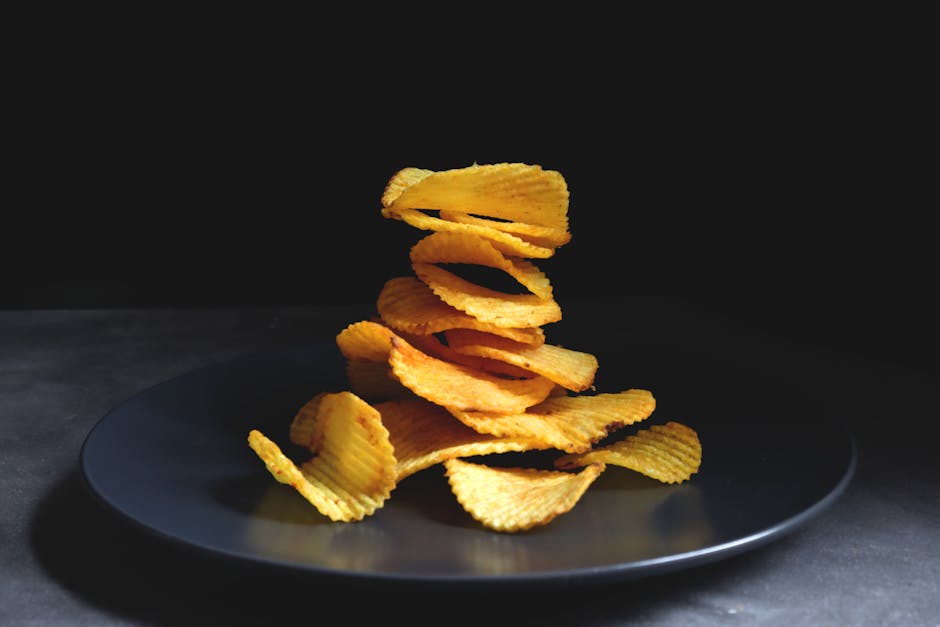
Greasy burgers, French fries, and heavy pizza are high in fat. Fat takes a long time to digest and requires a lot of work from your stomach and gallbladder. When your system is already compromised, heavy fats can trigger more nausea and acid reflux. They essentially sit in your stomach like a heavy weight, making that “queasy” feeling much worse.
3. Spicy Foods
We love a good hot sauce, but capsaicin (the compound that makes peppers hot) is a known irritant to the stomach lining. If your gut is already inflamed, adding spice is like pouring gasoline on a fire. It can speed up digestion too much, leading to painful cramps and an urgent need to find a restroom.
4. Acidic Foods (Citrus and Tomatoes)
Oranges, lemons, grapefruits, and tomato sauce are highly acidic. While they are healthy in normal times, that acid can irritate an already sensitive esophagus and stomach. If you’re dealing with acid reflux or a “sour” stomach, these are some of the worst offenders.
5. Artificial Sweeteners
Check the labels on your “sugar-free” gums or candies. If you see ingredients like sorbitol, xylitol, or erythritol, put them back. These sugar alcohols are notoriously difficult for the body to absorb. They often reach the large intestine intact, where they pull in water and ferment, causing significant gas, bloating, and a laxative effect.
6. Raw Vegetables and High-Fiber Foods
This one is counterintuitive because we’re always told to eat more fiber. However, fiber is “roughage.” It’s hard to break down. Raw broccoli, cauliflower, and salads require a lot of mechanical work from your digestive tract. When you’re sick, you want “pre-digested” or soft foods that slide through without much effort.
7. Caffeine and Alcohol
Both caffeine and alcohol are diuretics, meaning they dehydrate you. When you have an upset stomach (especially with vomiting or diarrhea), hydration is your number one priority. Furthermore, caffeine can stimulate the digestive tract to move faster, which is the last thing you want if you’re already dealing with “the runs.” Alcohol is a direct irritant to the stomach lining and can interfere with the way your liver processes toxins.
8. Heavily Processed Sugars
Refined sugar—found in sodas, pastries, and some cereals—can cause a spike in insulin and can also draw water into the intestines. This often results in “osmotic diarrhea,” where the sugar pulls water out of your body and into your stool. Plus, sugar can feed “bad” bacteria in the gut, which might prolong your recovery time.
What To Eat Instead: The Road to Recovery
Now that we know what to skip, let’s talk about the “healing” foods. The goal here is to eat things that are bland, low-fiber, and easy to break down.
The BRAT Diet
Most doctors and grandmas agree on the BRAT diet. It stands for:
- Bananas: They are soft, easy to digest, and high in potassium (which you lose when you’re sick).
- Rice: Plain white rice is a “binding” food that helps firm up stools.
- Applesauce: It provides a little energy and pectin without the harsh fiber of a raw apple skin.
- Toast: Plain white toast (no butter!) is a simple carbohydrate that gives your body quick energy without stress.
Ginger and Peppermint
Ginger is a legendary natural remedy for nausea. Whether it’s a cup of ginger tea or a small piece of crystallized ginger, it helps calm the stomach muscles. Peppermint tea can also help relax the digestive tract and reduce painful cramping.
Clear Broths
If you can’t keep solid food down, bone broth or vegetable broth is a lifesaver. It provides essential electrolytes and hydration without requiring any digestion. It’s the ultimate “reset” button for your gut.
A Real-World Example: Sarah’s Bad Night
Let’s look at Sarah. Sarah woke up feeling nauseous and “crampy.” Thinking she needed strength, she made a large omelet with cheese and peppers (Dairy and Spicy). By noon, she was in pain and couldn’t leave the bathroom. She realized her mistake and switched to sipping lukewarm ginger tea and eating small bites of plain white rice. By the evening, the cramping subsided. Sarah’s mistake was trying to eat a “normal” meal before her stomach was ready. The lesson? Start small, start bland.
Key Takeaways
- Listen to your body: If the thought of a certain food makes you cringe, don’t eat it.
- Hydration is king: Sip water, broth, or electrolyte drinks constantly.
- Avoid the “Big 8”: Stay away from dairy, grease, spice, acid, fake sugars, raw fiber, caffeine, and heavy sugar.
- The 48-Hour Rule: Wait at least 24 to 48 hours after your symptoms stop before reintroducing “risky” foods like dairy or caffeine.
- Cook your veggies: If you must eat vegetables, steam them until they are very soft to help your stomach out.
Frequently Asked Questions (FAQ)
Can I eat yogurt with an upset stomach?
It’s a bit of a gamble. While the probiotics in yogurt are great for gut health, the lactose can be hard to digest. If you do try it, stick to plain, low-fat Greek yogurt, but it’s often safer to wait until you’re feeling better to reintroduce dairy.
How long should I stay on the BRAT diet?
The BRAT diet is not nutritionally complete, so you shouldn’t stay on it for more than a day or two. As soon as you feel you can handle more, start adding in lean proteins like boiled chicken or soft-cooked eggs.
Is soda okay if it’s “flat”?
Some people swear by flat ginger ale or cola. However, the high sugar content can actually trigger more diarrhea for some people. If you use soda, sip it slowly and ensure it is truly flat, as carbonation can cause painful gas.
When should I see a doctor?
If you can’t keep any liquids down for more than 12 hours, see blood in your stool, have a high fever, or experience severe abdominal pain, it’s time to call a professional. Dehydration is the biggest risk with an upset stomach.
Managing an upset stomach is all about patience and choosing the path of least resistance. By remembering the 8 Foods To Avoid With an Upset Stomach and What To Eat Instead, you can significantly shorten your recovery time and avoid unnecessary pain. Rest up, stay hydrated, and keep it bland!
Written with love and assistance and refined for quality.
{“@context”:”https://schema.org”,”@type”:”Article”,”headline”:”Tummy Troubles? 8 Foods To Avoid With an Upset Stomach and What To Eat Instead”,”description”:”In this article, weu2019ll explore: 8 Foods To Avoid With an Upset Stomachand What To Eat Instead and why it…”,”author”:{“@type”:”Person”,”name”:”Dr. Cuterus”},”datePublished”:”2026-05-21T18:25:07+00:00″,”dateModified”:”2026-05-21T18:25:07+00:00″,”mainEntityOfPage”:”https://healthyworldz.com/tummy-troubles-8-foods-to-avoid-with-an-upset-stomach-and-what-to-eat-instead-4/”,”image”:[“https://healthyworldz.com/wp-content/uploads/2026/05/8-foods-to-avoid-with-an-upset-stomachand-what-to-eat-instead-110.jpg”]}
🔗 Related: Hormonal mechanisms of womens risk in…
🔗 Related: Hormonal mechanisms of womens risk in…
🔗 Related: 8 Foods To Avoid With an…