In this article, we’ll explore: Women with polycystic ovary syndrome exhibit impaired endometrial receptivity with excessive ER and histone lactylation and why it matters today.
Related:
👉 Understanding Fertility Struggles: Why Women with Polycystic Ovary Syndrome Exhibit Impaired Endometrial Receptivity
👉 More Than Just Muscle: Why Creatine is the Secret Wellness Tool You’re Missing
👉 More Than Just a "Mom Moment": Understanding Pelvic Health for Young Mothers in Mangaluru
For many women, the journey to motherhood is a straight line. But for those living with Polycystic Ovary Syndrome (PCOS), that path often feels like a maze with shifting walls. You do the tests, you track your ovulation, and sometimes you even go through the grueling process of IVF, only to face the heartbreak of a “perfect” embryo failing to implant.
If you’ve ever felt like your body was speaking a language you couldn’t understand, you aren’t alone. For years, doctors focused almost entirely on the “egg” side of the equation—helping women with PCOS ovulate. But a groundbreaking area of research is now looking at the “soil” instead of the “seed.”
Recent scientific insights have revealed a deeper layer to this struggle. It turns out that women with polycystic ovary syndrome exhibit impaired endometrial receptivity with excessive ER and histone lactylation. I know that sounds like a mouthful of medical jargon, but it is actually a massive breakthrough in understanding why implantation failure happens. Today, we’re going to break that down into plain English and talk about what it means for your fertility journey.
The “Soil and Seed” Metaphor
To understand fertility, think of a garden. The embryo is the seed, and the lining of your uterus (the endometrium) is the soil. You can have the highest-quality, genetically perfect seed in the world, but if the soil is too dry, too acidic, or hasn’t been tilled properly, nothing will grow.
In women with PCOS, the “soil” often isn’t ready for the seed. This is what doctors call “impaired endometrial receptivity.” During a normal menstrual cycle, there is a very specific “window of implantation”—a few days where the uterine lining becomes “sticky” and welcoming. In many women with PCOS, this window doesn’t open correctly, or the environment inside the womb is too stressed for the embryo to survive.
What is ER Stress? (The Factory Overload)
The first part of the puzzle is “ER stress.” In this case, ER doesn’t stand for Emergency Room; it stands for Endoplasmic Reticulum. Think of the ER as a tiny factory inside your cells responsible for folding proteins. When everything is running smoothly, the factory pumps out proteins that help the uterine lining prepare for a baby.
However, in women with PCOS, this factory is often overworked and overwhelmed. This “stress” causes the factory to produce “misfolded” proteins. When the uterine lining is under ER stress, it can’t perform the delicate biological dance required to welcome an embryo. It’s like trying to host a dinner party while your kitchen is on fire—you’re too busy dealing with the crisis to be a good host.
The New Discovery: Histone Lactylation
This is where the science gets really interesting. You’ve probably heard of “lactic acid” in the context of a hard workout at the gym. When your muscles work without enough oxygen, they produce lactate. For a long time, scientists thought lactate was just a waste product.
But we now know that lactate can actually “talk” to your DNA. This process is called histone lactylation. Histones are like the spools that your DNA is wrapped around. When a lactate molecule attaches to these spools (lactylation), it changes which genes are turned “on” or “off.”
The research shows that women with polycystic ovary syndrome exhibit impaired endometrial receptivity with excessive ER and histone lactylation. Essentially, the metabolic imbalances caused by PCOS lead to an overproduction of lactate in the uterine lining. This excess lactate then “marks” the DNA in a way that prevents the “receptivity genes” from turning on. It’s like a metabolic sticky note that says, “Don’t let the embryo in.”
A Real-World Example: Sarah’s Story
Take Sarah, a 31-year-old marketing executive with PCOS. Sarah spent two years trying to conceive. Her doctor put her on Letrozole to help her ovulate, and it worked! Every month, she had a beautiful follicle. Every month, her “seed” was ready. But every month, her period arrived right on time.
Sarah was frustrated. “If I’m ovulating, why isn’t it happening?” she asked. The answer likely lived in her uterine lining. Because of the metabolic environment associated with her PCOS, her uterine cells were likely experiencing that “factory overload” (ER stress) and the “metabolic sticky notes” (histone lactylation). Her soil wasn’t ready, no matter how good the seed was.
Why Does This Happen in PCOS?
PCOS is more than just a reproductive issue; it is a metabolic one. Most women with PCOS have some level of insulin resistance. When your body struggles to process sugar, your insulin levels spike, and your metabolism shifts. This shift is what leads to the buildup of lactate in the tissues, including the uterus.
This creates a domino effect:
- Step 1: Insulin resistance and hormonal imbalance change how the uterine cells use energy.
- Step 2: These cells produce too much lactate.
- Step 3: The lactate causes “histone lactylation,” changing gene expression.
- Step 4: ER stress kicks in, further damaging the cell’s ability to function.
- Step 5: The “window of implantation” fails to open properly.
Can We Fix Impaired Endometrial Receptivity?
The good news is that once we understand the *why*, we can work on the *how*. Knowing that women with polycystic ovary syndrome exhibit impaired endometrial receptivity with excessive ER and histone lactylation allows researchers to look for new treatments.
While we are still in the early stages of specific “anti-lactylation” drugs, there are things we can do right now to improve the uterine environment:
1. Managing Insulin Resistance
Since the root of the lactate problem is often metabolic, managing blood sugar is key. This isn’t just about weight loss; it’s about cellular health. Diets rich in fiber, healthy fats, and low-glycemic carbohydrates help stabilize insulin, which may reduce the “metabolic stress” in the uterus.
2. Anti-Inflammatory Support
ER stress is closely linked to inflammation. Incorporating Omega-3 fatty acids (found in fish oil), antioxidants like CoQ10, and even light regular exercise can help lower the overall inflammatory load on your body.
3. Targeted Supplements
Some studies suggest that supplements like Inositol (specifically Myo-inositol and D-chiro-inositol) can help improve both egg quality and the uterine environment by making the body more sensitive to insulin.
4. Stress Management
It sounds cliché, but cortisol (the stress hormone) can worsen ER stress. Whether it’s yoga, meditation, or just setting boundaries at work, lowering your stress levels helps your “internal factory” run more smoothly.
Key Takeaways
- It’s Not Just the Eggs: Fertility with PCOS involves both the embryo and the uterine lining.
- The Science: We now know that women with polycystic ovary syndrome exhibit impaired endometrial receptivity with excessive ER and histone lactylation.
- ER Stress: This is a “factory overload” in your cells that prevents them from preparing for pregnancy.
- Lactylation: Excess lactate acts as a metabolic switch that turns off important fertility genes.
- Metabolism Matters: Improving your metabolic health (insulin sensitivity) is one of the best ways to “till the soil” for a future pregnancy.
Final Thoughts
If you have been struggling to conceive with PCOS, please give yourself some grace. For a long time, the medical community didn’t have the full picture. You weren’t doing anything “wrong”—your body was simply dealing with a complex metabolic and cellular challenge that we are only just beginning to map out.
This new research is exciting because it moves us away from “unexplained infertility” and toward “targeted solutions.” By understanding that excessive ER stress and histone lactylation are the culprits, we can start looking at the uterus in a whole new way. Your journey might have some extra turns, but the science is finally catching up to help you find your way through the maze.
Frequently Asked Questions
Does every woman with PCOS have this problem?
Not necessarily. PCOS is a spectrum. Some women have very mild metabolic issues and conceive easily, while others face significant challenges with endometrial receptivity. However, this research helps explain why many women with “well-managed” PCOS still struggle to get pregnant.
Can a standard ultrasound detect ER stress or histone lactylation?
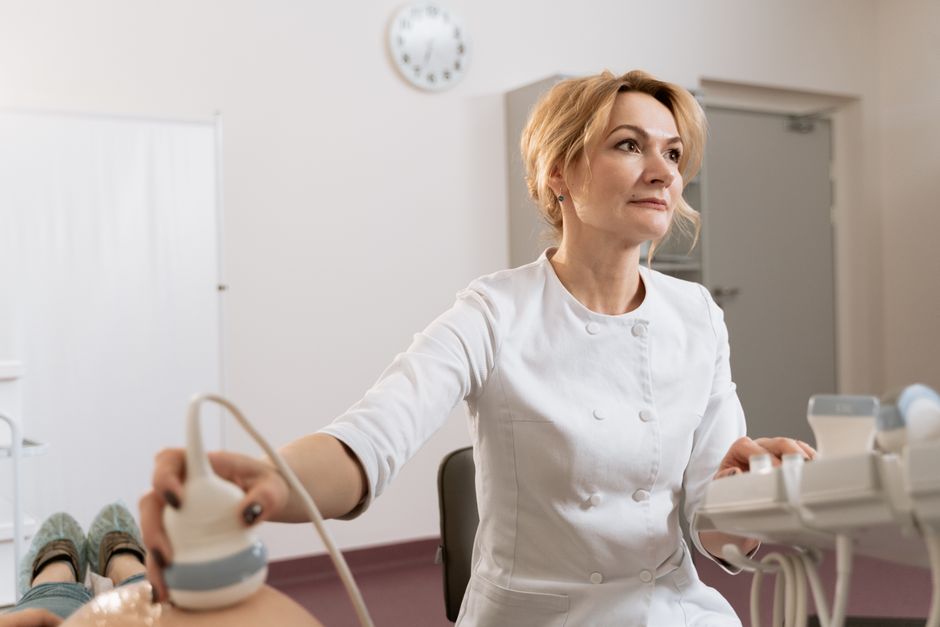
No. These are molecular changes happening inside the cells. A standard ultrasound looks at the thickness of the lining, but it can’t see the “health” or “receptivity” of the cells at a genetic level. This is why some linings look “perfect” on a scan but still fail to support an embryo.
Is there a specific test for endometrial receptivity?
There are tests like the ERA (Endometrial Receptivity Array) that look at gene expression to determine the best timing for an embryo transfer. While they don’t specifically test for histone lactylation yet, they are the closest thing we currently have to measuring the “window of implantation.”
Will metformin help with this?
Metformin is often prescribed to women with PCOS to improve insulin sensitivity. By helping the body manage glucose and insulin better, it may indirectly reduce the production of excess lactate, potentially improving the uterine environment. Always consult your doctor before starting new medications.
Does this mean IVF won’t work for me?
Absolutely not! It just means that the *preparation* for the transfer is just as important as the retrieval of the eggs. Doctors are increasingly using “frozen embryo transfers” (FET) to allow the woman’s body time to heal from the high hormones of egg retrieval, which can help create a more receptive environment.
Written with love and assistance and refined for quality.
🔗 Related: BcozSheMatters: WHO Health Ministry roll out…
🔗 Related: A perfect storm for bone loss…
🔗 Related: Study links joint pain supplement to…