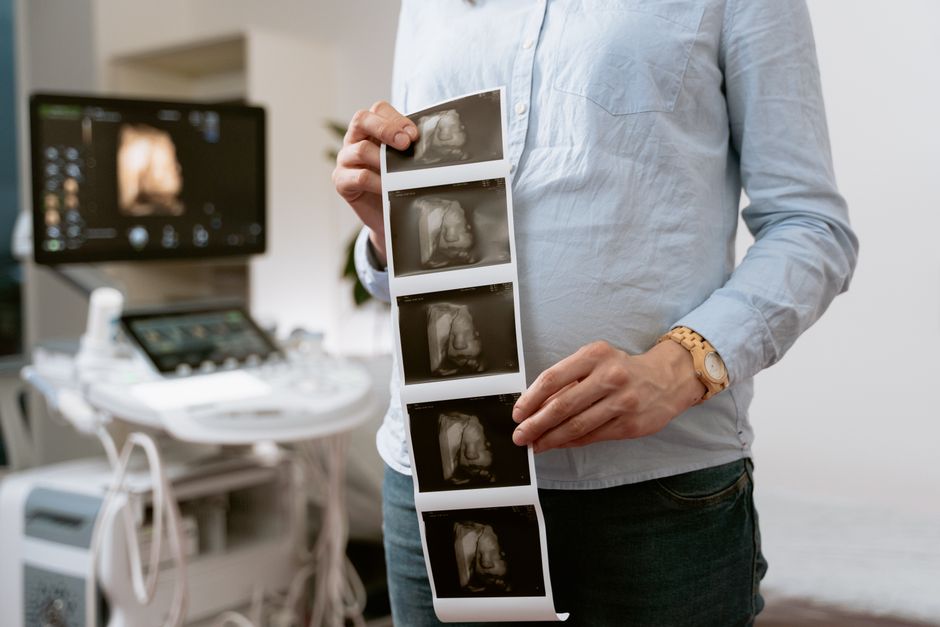
In this article, we’ll explore: Women with polycystic ovary syndrome exhibit impaired endometrial receptivity with excessive ER and histone lactylation and why it matters today.
Related:
👉 Why Getting Pregnant with PCOS Can Be So Hard: The New Science of Endometrial Receptivity and Histone Lactylation
👉 More Than Just Muscle: Why Creatine is the Longevity Secret You’ve Been Missing
👉 Why We Need to Talk About Pelvic Health: Understanding Perineal Muscle Strength in Young Moms in Mangaluru
For many women, the journey to motherhood feels like a clear, paved road. But for those living with Polycystic Ovary Syndrome (PCOS), that road often feels like it’s full of roadblocks, detours, and confusing signs. If you’ve been struggling to conceive with PCOS, you’ve likely heard a lot about ovulation—or the lack of it. However, there is another piece of the puzzle that often goes unmentioned: the “soil” where the seed is supposed to plant.
Recent scientific breakthroughs have shed light on why the uterine lining in women with PCOS might not be as “sticky” or receptive as it needs to be. A groundbreaking study has found that women with polycystic ovary syndrome exhibit impaired endometrial receptivity with excessive ER and histone lactylation. While that sounds like a mouthful of medical jargon, it actually points to a very specific reason why embryos sometimes fail to plant in the womb.
In this post, we’re going to break down this complex science into plain English, explore what it means for your fertility, and look at how these new discoveries might change the way we treat PCOS-related infertility.
The “Soil and the Seed” Metaphor
To understand endometrial receptivity, think of a garden. To grow a beautiful flower, you need two things: a healthy seed (the embryo) and nutrient-rich, welcoming soil (the endometrium).
In the world of fertility, we spend a lot of time talking about the “seed.” We track ovulation, check egg quality, and use IVF to create the best possible embryo. But if the “soil” isn’t ready to receive that seed, nothing will grow. This readiness is what doctors call “endometrial receptivity.”
For a very short window each month—usually about 6 to 10 days after ovulation—the lining of the uterus transforms. It becomes plush, sticky, and full of the right nutrients to help an embryo attach. In women with PCOS, this window often doesn’t open correctly, or it doesn’t stay open long enough. The “soil” just isn’t prepared.
What is Going Wrong? The Role of Estrogen Receptors (ER)
One of the biggest culprits in this story is the Estrogen Receptor, or ER. Estrogen is the hormone responsible for building up the uterine lining in the first half of your cycle. It’s like the construction crew that lays the foundation.
However, for a pregnancy to take hold, the “construction crew” needs to leave the site so the “decorating crew” (progesterone) can move in. This transition is vital. In a healthy cycle, the number of estrogen receptors in the uterine lining drops significantly after ovulation. This allows progesterone to do its job and make the lining receptive.
The research shows that in women with PCOS, these estrogen receptors (ER) don’t go away. They stay “excessive.” Imagine trying to decorate a room while the construction crew is still hammering and knocking down walls. It’s chaotic, and the work doesn’t get finished. This lingering estrogen activity prevents the uterus from becoming the quiet, welcoming environment an embryo needs.
Why the “Off Switch” Fails
In a typical body, progesterone acts as the “off switch” for estrogen receptors. But because many women with PCOS have “progesterone resistance,” their bodies don’t get the message. The ER stays high, the lining stays in “growth mode” rather than “reception mode,” and the embryo simply can’t find a place to stick.
The New Player: Histone Lactylation
Now, let’s talk about the most recent discovery: histone lactylation. This sounds like something out of a sci-fi movie, but it’s actually a fundamental process happening inside your cells.
To understand this, imagine your DNA is a very long thread. To keep it organized, your body wraps that thread around little spools called histones. When these histones are modified—by having certain chemical “tags” added to them—it changes which genes are turned on or off.
Lactylation is a process where lactate (a byproduct of sugar metabolism) attaches to these histones. The study found that women with polycystic ovary syndrome exhibit impaired endometrial receptivity with excessive ER and histone lactylation. Essentially, high levels of lactate are “gunking up” the spools of DNA in the uterine lining.
The Link to Metabolism
You might know that PCOS is closely tied to insulin resistance and how your body processes sugar. When your body struggles to handle glucose, it produces more lactate. This excess lactate travels to the uterus and attaches to those histones. This specific “chemical tag” (lactylation) then turns on genes that keep the estrogen receptors active and turns off the genes that make the lining receptive to an embryo.
A Real-World Example: Sarah’s Story
To put this into perspective, let’s look at Sarah. Sarah is 31 and has been living with PCOS since her teens. She finally decided to try IVF after years of irregular cycles. Her doctors were able to retrieve several high-quality eggs, and they created a perfect-looking embryo.
However, the first transfer failed. Then the second one failed. Sarah was heartbroken. “If the embryo is perfect,” she asked, “why isn’t it working?”
The answer likely lay in her endometrial receptivity. Even though her hormone levels looked okay on paper, the “excessive ER and histone lactylation” meant her uterine lining wasn’t actually listening to the hormones. Her “soil” was stuck in the wrong phase of the cycle because of these microscopic chemical tags. For Sarah, the problem wasn’t the seed; it was the environment.
How This Changes the Way We Treat PCOS
Knowing that women with polycystic ovary syndrome exhibit impaired endometrial receptivity with excessive ER and histone lactylation is actually great news. Why? Because once we identify the specific mechanism causing a problem, we can start looking for specific solutions.
- Metabolic Management: Since lactylation is driven by lactate (a sugar byproduct), managing insulin resistance becomes even more critical. This isn’t just about weight; it’s about the chemical environment of the uterus.
- Targeted Medications: Researchers are now looking at ways to “de-lactylate” the histones or use specific blockers to turn off those lingering estrogen receptors before a transfer.
- Better Testing: In the future, we might have tests that check for histone lactylation levels in the uterine lining, helping women decide the best month to attempt a pregnancy.
Key Takeaways for Women with PCOS
If you are navigating the world of PCOS and fertility, here are the most important things to remember from this new research:
- It’s Not Just About Ovulation: Even if you are ovulating (naturally or with help), the lining of your uterus must be “receptive” for pregnancy to occur.
- The Estrogen Overload: Excessive estrogen receptors (ER) can act like a barrier to implantation.
- The Sugar Connection: Your metabolic health and how your body handles sugar (leading to lactate) directly impact the “tags” on your DNA in the uterus.
- Science is Advancing: Understanding histone lactylation opens up a whole new world of “epigenetic” treatments that could help women who have previously failed to conceive.
Moving Forward with Hope
Infertility can feel like a lonely, uphill battle, but science is finally catching up to the complexities of the PCOS body. Understanding that women with polycystic ovary syndrome exhibit impaired endometrial receptivity with excessive ER and histone lactylation allows us to move away from “unexplained” failure and toward “explained” solutions.
If you have PCOS, don’t be afraid to talk to your fertility specialist about endometrial receptivity. Ask about ways to optimize your uterine environment, whether through metabolic support, diet, or specific hormonal protocols. The more we know about the “soil,” the better chance we have of helping that “seed” grow.
Frequently Asked Questions (FAQ)
1. What does “impaired endometrial receptivity” actually feel like?
You can’t “feel” it. Unlike a period cramp or ovulation pain, endometrial receptivity happens at a molecular level. The only way it usually shows up is through repeated “chemical pregnancies” or failed IVF transfers where a healthy embryo doesn’t plant.
2. Can diet help with histone lactylation?
While more research is needed, we know that histone lactylation is fueled by high lactate levels, which are often caused by poor glucose metabolism. A diet that supports blood sugar balance (low glycemic index, high fiber, healthy fats) may help create a more favorable environment in the uterus.
3. Does every woman with PCOS have this problem?
No. PCOS is a spectrum. Some women with PCOS conceive easily once they start ovulating. However, for those who struggle with “unexplained” implantation failure, this excessive ER and histone lactylation is a very likely culprit.
4. Is there a test for histone lactylation?
Currently, this is mostly being done in research settings. However, tests like the ERA (Endometrial Receptivity Analysis) already look at gene expression in the lining. As this new research becomes more mainstream, we expect to see even more specific testing available in fertility clinics.
5. Can I lower my estrogen receptors naturally?
The best way to balance estrogen receptors is to ensure your body has enough progesterone to counter the estrogen. This often involves ensuring strong ovulation or using supplemental progesterone as directed by a doctor, alongside managing insulin levels to reduce the “gunk” (lactylation) that keeps the receptors stuck in the “on” position.
Written with love and assistance and refined for quality.
🔗 Related: BcozSheMatters: WHO Health Ministry roll out…
🔗 Related: A perfect storm for bone loss…
🔗 Related: The Two Cents Problem: The Long…