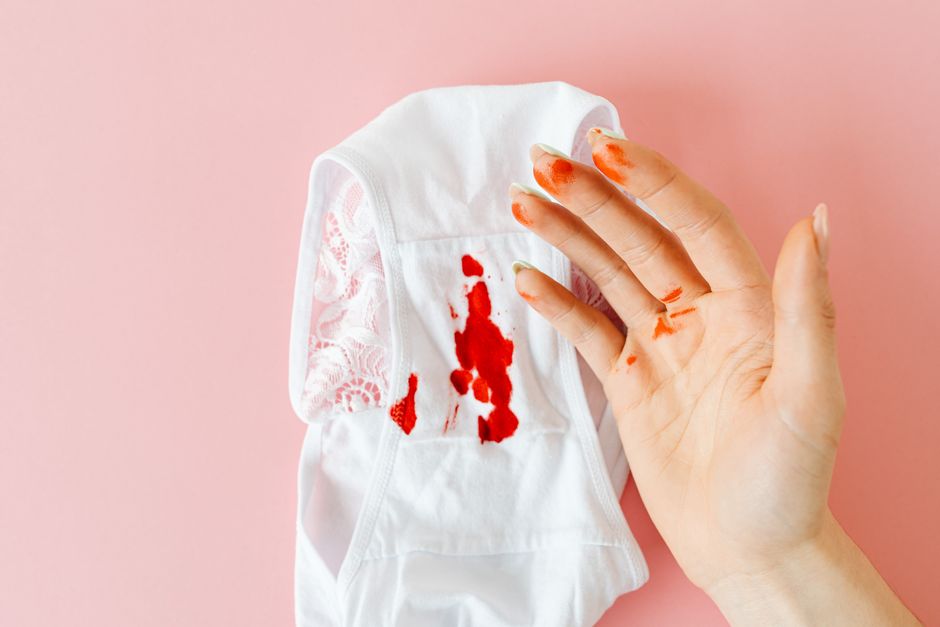
In this article, we’ll explore: Period poverty: A global menstrual health crisis and why it matters today.
Related:
👉 Period Poverty: A Global Menstrual Health Crisis We Can No Longer Ignore
👉 The Hidden Shield: How Estrogen Protects Your Memory When Life Gets Stressful
👉 Genelia D'Souza Opens Up About Menopause Shaming: Why She’s Feeling "Much Cooler at 40"
Learn more: Period poverty: A global menstrual health crisis on Google Search
Imagine for a moment that you are a fourteen-year-old girl named Amara living in a rural village. Every month, like clockwork, your body does something completely natural. But instead of it being a sign of health, it feels like a curse. You don’t have pads. You don’t have tampons. You don’t even have a private bathroom with clean water.
To get through the week, you use old, tattered rags, dried leaves, or even pieces of newspaper. You are terrified of leaking through your clothes, so you stay home from school. You miss five days of lessons every single month. By the end of the year, you’ve fallen so far behind your male classmates that you eventually drop out entirely. This isn’t a plot from a historical novel; this is the daily reality for millions. This is period poverty: a global menstrual health crisis that we can no longer afford to ignore.
What Exactly is Period Poverty?
When we talk about period poverty, many people think it’s just about the high price of pads and tampons. While the cost is a massive part of the problem, it’s actually much broader than that. Period poverty is the lack of access to sanitary products, menstrual hygiene education, toilets, water management, and waste disposal.
It is a complex intersection of economic hardship, social stigma, and a lack of basic infrastructure. It affects women, girls, and transgender individuals in every corner of the globe—from the most remote villages in sub-Saharan Africa to the heart of major cities like New York, London, and Sydney.
The Three Pillars of the Crisis
- Affordability: The “Pink Tax” and the high cost of menstrual products make them a luxury for many families living below the poverty line.
- Education: A lack of knowledge about how the body works leads to fear, shame, and the spread of dangerous myths.
- Infrastructure: Without clean water and private stalls, it is nearly impossible to manage a period with dignity.
The Hidden Cost of Being a Girl
Period poverty isn’t just a “women’s issue.” It is a human rights issue that ripples through economies and societies. When a girl misses school because of her period, her future earning potential drops. When a woman can’t afford supplies, she might be forced to choose between buying a loaf of bread for her children or a pack of pads for herself.
In many parts of the world, the lack of supplies leads to devastating health consequences. When people are forced to use dirty rags, sand, or ash to absorb menstrual blood, they are at a high risk of developing reproductive and urinary tract infections. In extreme cases, the use of unhygienic materials can lead to infertility or even life-threatening conditions like Toxic Shock Syndrome (TSS).
A Story from the United States
We often think of this as a “developing world” problem, but that is a dangerous misconception. Take Sarah, a college student in Ohio. Sarah works two part-time jobs while taking a full course load. After paying rent and tuition, she often has less than $20 left for the week. When her period arrives, she finds herself “borrowing” handfuls of toilet paper from the campus library to make makeshift pads. She describes the experience as “humiliating and distracting,” making it impossible to focus on her exams. Sarah’s story is echoed by 1 in 4 students in the U.S. who struggle to afford period products.
Breaking the Taboo: The Power of Language
Why has it taken so long for the world to recognize period poverty: a global menstrual health crisis? The answer lies in the silence. For centuries, menstruation has been treated as something “unclean” or “shameful.”
In some cultures, menstruating women are forbidden from entering the kitchen, touching communal water sources, or attending religious services. This stigma creates a “whisper culture.” If we can’t talk about periods openly, we can’t demand the policy changes needed to fix the problem. Breaking the taboo is the first step toward menstrual equity.
How Stigma Affects Mental Health
The psychological toll of period poverty is heavy. Living with the constant fear of an “accident” or the shame of not being able to stay clean leads to high levels of anxiety and depression. For young girls, this shame can be deeply internalized, making them feel that their bodies are somehow “broken” or “wrong.”
Real-World Solutions: What is Being Done?
The good news is that the tide is starting to turn. Activists, non-profits, and even some governments are stepping up to tackle the crisis head-on. Here are a few ways the world is fighting back:
- Legislative Change: Scotland made history by becoming the first country in the world to make period products free for everyone who needs them. Other countries are following suit by removing the “tampon tax.”
- Grassroots Movements: Organizations like Days for Girls and The Period Purse distribute reusable pads and menstrual cups to communities in need, providing a sustainable, long-term solution.
- School-Based Programs: Many states and countries are now mandating that free pads and tampons be available in all school bathrooms, ensuring that no student has to miss class.
- Engaging Men and Boys: Education programs are now including boys in the conversation. When boys understand that menstruation is a normal biological process, the bullying and stigma in schools begin to fade.
The Role of Sustainable Menstrual Products
As we address period poverty, we also have to think about the planet. Traditional disposable pads can take up to 500 years to decompose. For communities without proper waste management systems, this creates a massive environmental burden.
This is where menstrual cups and reusable cloth pads come in. A single menstrual cup can last for up to ten years. By providing high-quality, reusable options, we can solve the economic problem of period poverty while protecting the environment. However, these solutions only work if the individuals have access to clean water to boil and sanitize the products.
How You Can Help Make a Difference
You don’t have to be a politician to help end period poverty. Small actions can have a massive impact. Here is how you can get involved today:
- Donate Products: The next time you go grocery shopping, buy an extra box of pads or tampons and donate them to your local food bank or homeless shelter. These are often the most requested but least donated items.
- Talk About It: Normalize the conversation. Don’t hide your tampon up your sleeve on the way to the bathroom. The more we talk about it, the less power the stigma has.
- Support Policy: Write to your local representatives and ask them to support legislation that provides free period products in public buildings and schools.
- Educate Yourself: Learn about the different challenges faced by people in different parts of the world. Empathy is the fuel for change.
Key Takeaways
- Period poverty: a global menstrual health crisis affects millions of people, regardless of their country’s wealth.
- It is caused by a combination of high costs, lack of education, and poor infrastructure.
- The consequences include missed education, severe health risks, and a decline in mental well-being.
- Ending the “Pink Tax” and providing free products in schools are vital steps toward menstrual equity.
- Breaking the social stigma is essential to creating long-term, systemic change.
Frequently Asked Questions
Is period poverty only a problem in developing countries?
No. While the challenges might look different, period poverty is a significant issue in wealthy nations like the US, UK, and Canada, where low-income individuals often struggle to afford basic hygiene products.
What are the health risks of period poverty?
Using unsanitary alternatives like rags, paper, or leaves can cause bacterial infections, yeast infections, and urinary tract infections. Prolonged use of a single tampon due to lack of supply can also lead to Toxic Shock Syndrome.
How does period poverty affect education?
Globally, 1 in 10 girls in Africa misses school during her period. In the US, a study found that 1 in 5 teens have struggled to afford period products, leading many to miss class or leave school early.
What is the “Tampon Tax”?
The “Tampon Tax” refers to the sales tax placed on menstrual products because they are categorized as “luxury items” rather than “essential necessities” like groceries or medical supplies.
Can men help end period poverty?
Absolutely. Men play a crucial role as allies. By educating themselves, supporting their daughters, sisters, and colleagues, and advocating for policy changes, men can help break the stigma and ensure menstrual equity for everyone.
In the end, period poverty is a solvable crisis. We have the products, we have the resources, and we have the knowledge. All that is missing is the collective will to ensure that no one is held back by a natural bodily function. It’s time to stop the whispering and start the change.
Written with love and assistance and refined for quality.
🔗 Related: Genelia DSouza opens up about menopause…