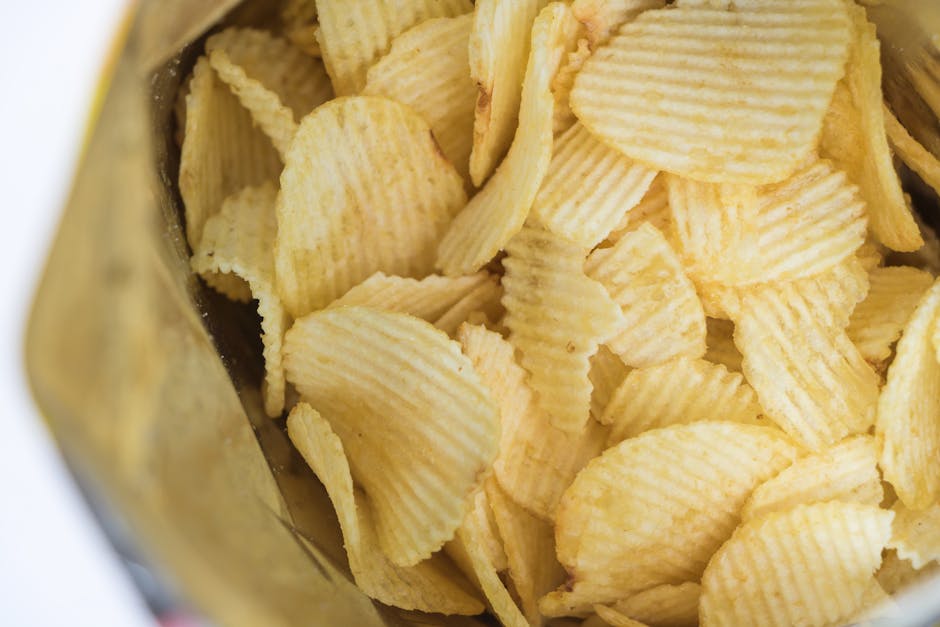
In this article, we’ll explore: 8 Foods To Avoid With an Upset Stomachand What To Eat Instead and why it matters today.
Related:
👉 8 Foods To Avoid With an Upset Stomach and What To Eat Instead: A Guide to Feeling Better Fast
👉 Why Muscle Plays a Role in Weight Loss But Not How You Think
👉 Why Her Health Changes Everything: A Deep Dive into the #BcozSheMatters Campaign
Learn more: 8 Foods To Avoid With an Upset Stomachand What To Eat Instead on Investopedia
We’ve all been there. You’re sitting on the couch, clutching a pillow to your midsection, wondering if that extra-spicy taco last night was truly worth the internal war currently being waged in your gut. Whether it’s a sudden bout of food poisoning, a stomach flu, or just a general “disagreement” between your lunch and your digestive system, an upset stomach can ruin your entire day.
When your stomach is in revolt, your first instinct might be to reach for comfort food. But here’s the tricky part: the things we usually find comforting—like a big bowl of cheesy pasta or a sugary latte—are often the very things that make the situation worse. Your digestive tract is currently sensitive, inflamed, and looking for a break. Giving it heavy, complex, or irritating foods is like asking someone with a broken leg to run a marathon.
In this guide, we’re going to look at the 8 Foods To Avoid With an Upset Stomach and What To Eat Instead so you can get back on your feet faster and stop the gurgling for good.
Why Your Diet Matters During a “Stomach Strike”
Think of your stomach lining as a velvet curtain. When you’re healthy, that curtain is thick and protective. When you have an upset stomach, that curtain is frayed and sensitive. Anything “sharp”—whether that’s chemical acidity, physical fiber, or heavy fats—scrapes against that sensitivity and causes pain, cramping, or a quick trip to the bathroom.
I remember a friend of mine, Sarah, who caught a mild stomach bug. She thought, “I need nutrients to get better,” so she made herself a massive kale and broccoli salad with a lemon-tahini dressing. Within twenty minutes, she was in more pain than when she started. Her intentions were great, but her stomach simply wasn’t ready for the “work” required to break down all that raw fiber. She learned the hard way that when your gut is unhappy, “healthy” doesn’t always mean “helpful.”
The 8 Foods To Avoid With an Upset Stomach
1. Dairy Products (Milk, Cheese, and Ice Cream)
Even if you aren’t lactose intolerant, you might become “temporarily” intolerant when your stomach is upset. When the lining of your small intestine is irritated by a virus or bacteria, it struggles to produce lactase—the enzyme needed to digest milk sugar. This can lead to bloating, gas, and worsening diarrhea. Save the milkshake for next week.
2. Fried and Fatty Foods
Greasy burgers, French fries, and even heavy avocado toast are high in fat. Fat moves through the digestive system much slower than proteins or carbs. This “heavy” feeling can trigger more nausea and acid reflux. If your stomach is already cramping, the last thing it needs is a literal weight of oil sitting in it for hours.
3. Spicy Foods
This one seems obvious, but many people think a spicy soup might “clear them out.” Capsaicin, the compound that gives chili peppers their kick, can irritate the lining of the esophagus and stomach. If you’re already dealing with irritation, adding spice is like pouring gasoline on a fire.
4. Raw Vegetables and High-Fiber Fruits
Usually, fiber is the hero of the digestive world. But when you have an upset stomach, fiber is the enemy. Raw vegetables like broccoli, cauliflower, and salads require a lot of mechanical energy for your stomach to grind down. This “roughage” can cause gas and bloating when your system is already fragile.
5. Caffeine and Alcohol
Both caffeine and alcohol act as diuretics, which means they dehydrate you. If you’ve been losing fluids due to vomiting or diarrhea, dehydration is your biggest risk. Furthermore, coffee is highly acidic and can stimulate the digestive tract to move faster—exactly what you don’t want if you’re already running to the bathroom.
6. Highly Processed Sugars
Sugar can cause “osmotic pressure” in the gut. This basically means that sugar pulls water out of your body and into your intestines, which can make diarrhea much worse. This includes sugary sodas, candies, and even some “sports drinks” that are loaded with corn syrup.
7. Artificial Sweeteners (Sorbitol and Xylitol)
Found in sugar-free gum and “diet” snacks, these sugar alcohols are notorious for causing gas and laxative effects. If your stomach is already upset, these chemicals can turn a mild cramp into a full-blown emergency.
8. Acidic Foods (Citrus and Tomatoes)
Oranges, grapefruits, and tomato sauce are very acidic. This acid can irritate an already sensitive stomach lining and contribute to acid reflux or a “burning” sensation in the upper gut. While Vitamin C is great for the immune system, get it from a less acidic source for now.
What To Eat Instead: The Road to Recovery
Now that we’ve cleared the “danger zone,” let’s talk about what actually helps. The goal is to eat foods that are “pre-digested” (soft or cooked) and low in residue.
The Classic BRAT Diet
For decades, doctors have recommended the BRAT diet. While it’s not a long-term nutrition plan, it’s a perfect 24-48 hour “reset” for your gut.
- Bananas: They are easy to digest and high in potassium, which you likely lost if you’ve been sick.
- Rice: Plain white rice is a “binding” food. It helps firm up stools and provides easy energy without stressing the gut.
- Applesauce: It’s cooked down, making the fiber easy to handle, and provides a gentle hit of natural sugar for energy.
- Toast: Plain white toast (not whole grain!) is simple for the stomach to break down.
Clear Broths and Electrolytes
If you can’t keep solid food down, start with bone broth or vegetable broth. It provides sodium and minerals that help your body retain water. If you’re tired of plain water, try an electrolyte drink, but look for ones with low sugar content.
Ginger and Peppermint
Ginger is a natural anti-emetic, meaning it helps stop nausea. You can shave fresh ginger into hot water or chew on a small piece of crystallized ginger. Peppermint tea is also excellent for relaxing the muscles in the digestive tract, which can stop painful cramping.
Boiled or Steamed Protein
Once you feel the hunger returning, don’t jump straight to a steak. Try a small piece of boiled chicken breast or steamed white fish. These are “lean” proteins that provide repair blocks for your body without the heavy fats that cause distress.
A Real-World Example: The “Slow Re-Entry”
Imagine another scenario: Dave. Dave had a stomach flu on Tuesday. By Wednesday morning, he felt “fine” and decided to celebrate his recovery with a large pepperoni pizza. By Wednesday afternoon, Dave was back in bed.
The lesson? Your stomach needs a “slow re-entry.” Even after the symptoms stop, your gut microbiome is unbalanced. Start with the BRAT diet, move to plain chicken and crackers, and wait at least 24 to 48 hours of feeling 100% before you reintroduce the 8 foods to avoid with an upset stomach.
Key Takeaways for a Happy Gut
- Listen to your body: If the thought of a certain food makes you feel slightly nauseous, don’t eat it. Your brain is trying to protect you.
- Stay Hydrated: Sip, don’t chug. Small sips of water or broth every 10 minutes are better than a whole glass at once.
- Avoid “Heavy” Foods: If it’s fried, spicy, or full of dairy, put it back in the fridge.
- Keep it Simple: White rice, bananas, and dry crackers are your best friends during the first 24 hours.
- Temperature Matters: Sometimes very hot or very cold foods can trigger cramps. Aim for room temperature or lukewarm.
Frequently Asked Questions (FAQ)
Can I eat yogurt with an upset stomach?
It depends. While yogurt contains probiotics that are good for the gut, it is still dairy. If you have diarrhea, it’s best to avoid it for a day or two. Once you start feeling better, plain, low-fat yogurt can actually help replenish the “good” bacteria in your system.
Is coffee okay if I just have a little bit?
It’s really best to avoid it. Coffee is a stimulant and an acid. It tells your bowels to move, which is the last thing you want if you’re already feeling unstable. Try a cup of weak chamomile or ginger tea instead.
How long should I wait before eating “normal” food again?
A good rule of thumb is to wait 24 to 48 hours after your last “incident” (vomiting or diarrhea) before returning to a full, varied diet. Introduce one “normal” food at a time to see how your stomach reacts.
Are eggs okay for an upset stomach?
Yes, but keep them simple. Scrambled or poached eggs are a great source of protein and are generally easy to digest. Just make sure you don’t use much butter, oil, or milk when preparing them.
When should I see a doctor?
If you cannot keep any liquids down for more than 12 hours, if you see blood in your stool, or if you have a high fever and severe abdominal pain, you should seek medical attention immediately. Dehydration is a serious concern that sometimes requires IV fluids.
Dealing with an upset stomach is never fun, but by remembering the 8 Foods To Avoid With an Upset Stomach and What To Eat Instead, you can significantly reduce your discomfort and speed up your recovery. Be patient with your body—it’s working hard to get you back to normal!
Written with love and assistance and refined for quality.
{“@context”:”https://schema.org”,”@type”:”Article”,”headline”:”Tummy Troubles? 8 Foods To Avoid With an Upset Stomach and What To Eat Instead”,”description”:”In this article, weu2019ll explore: 8 Foods To Avoid With an Upset Stomachand What To Eat Instead and why it…”,”author”:{“@type”:”Person”,”name”:”Dr. Cuterus”},”datePublished”:”2026-05-21T13:26:30+00:00″,”dateModified”:”2026-05-21T13:26:30+00:00″,”mainEntityOfPage”:”https://healthyworldz.com/tummy-troubles-8-foods-to-avoid-with-an-upset-stomach-and-what-to-eat-instead-3/”,”image”:[“https://healthyworldz.com/wp-content/uploads/2026/05/8-foods-to-avoid-with-an-upset-stomachand-what-to-eat-instead-109.jpg”]}
🔗 Related: Muscle Plays a Role in Weight…
🔗 Related: Hormonal mechanisms of womens risk in…
🔗 Related: Hormonal mechanisms of womens risk in…