In this article, we’ll explore: 8 Foods To Avoid With an Upset Stomachand What To Eat Instead and why it matters today.
Related:
👉 The Unseen Tides: Unraveling the Hormonal Mechanisms of Women's Risk in the Face of Traumatic Stress
👉 Unpacking the Invisible Burden: How Hormones Shape Women's Risk in the Face of Traumatic Stress
👉 Beyond Skin Deep: Unpacking the Hormonal Mechanisms of Women's Risk in the Face of Traumatic Stress
Learn more: 8 Foods To Avoid With an Upset Stomachand What To Eat Instead on Wikipedia
We’ve all been there. That familiar gurgle, the sudden cramp, the general feeling of “ugh” that signals an upset stomach. It can strike at the worst times – before a big meeting, during a fun outing, or just when you’re trying to relax at home. When your stomach is staging a protest, the last thing you want to do is make it angrier. Yet, sometimes, in our quest for comfort or simply out of habit, we reach for foods that actually make things worse.
Think of your digestive system like a delicate ecosystem. When it’s happy, everything runs smoothly. But when it’s out of whack, it needs gentle care and the right kind of nourishment to recover. Piling on more stress with the wrong foods is like throwing gasoline on a small fire. That’s why understanding **8 Foods To Avoid With an Upset Stomach and What To Eat Instead** is absolutely crucial. It’s not just about avoiding discomfort; it’s about giving your body the best chance to heal and feel better, faster.
This guide isn’t about rigid rules or complicated diets. It’s about practical, empathetic advice, helping you navigate those tricky tummy days with confidence. We’ll explore the common culprits that can irritate an already sensitive stomach and, more importantly, introduce you to the soothing heroes that can bring comfort and aid recovery. So, let’s dive in and learn how to be kind to our bellies when they need it most.
The “No-Go” List: 8 Foods to Avoid When Your Stomach is Upset
When your stomach is feeling tender, certain foods can act like a sledgehammer rather than a gentle massage. Here are eight common offenders you should steer clear of to give your digestive system a much-needed break.
1. Spicy Foods
Oh, the fiery allure of a hot chili or a heavily spiced curry! While delicious on a normal day, spicy foods are a definite no-go when your stomach is upset. The capsaicin, the compound that gives chili peppers their heat, can irritate the stomach lining and stimulate stomach acid production, leading to heartburn, indigestion, and even diarrhea. Imagine pouring hot sauce on an open wound – that’s essentially what you’re doing to your sensitive stomach lining.
What to eat instead: Stick to bland, mildly seasoned foods. Think plain rice or boiled chicken with a pinch of salt.
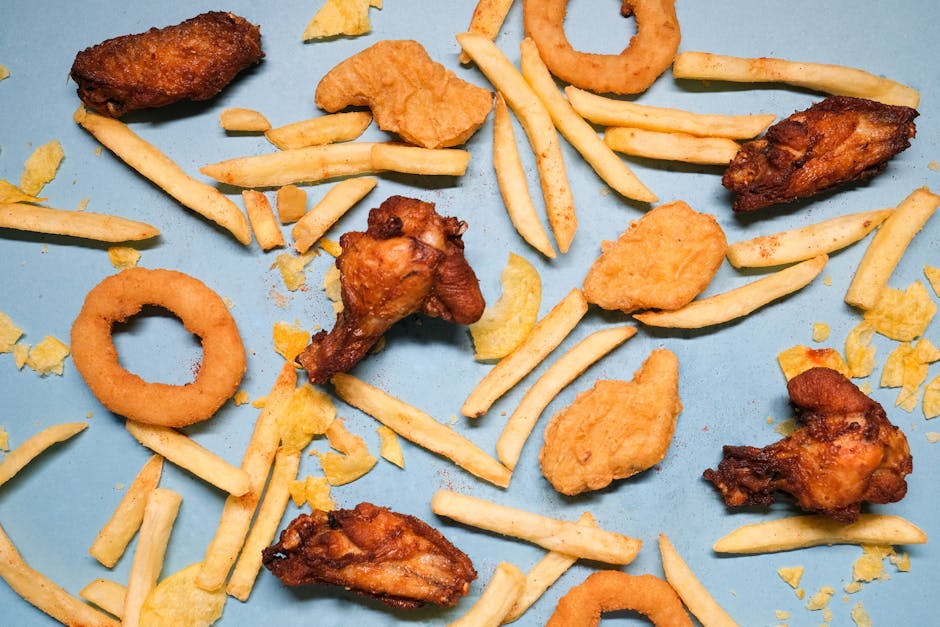
2. High-Fat and Greasy Foods
Burgers, fries, pizza, fried chicken – these comfort foods are often the first thing we crave when feeling down. However, high-fat and greasy foods are notoriously difficult for your digestive system to break down. They can slow down gastric emptying, leading to bloating, nausea, and an even more prolonged feeling of discomfort. Your body has to work extra hard to process these, which is the last thing you want when it’s already struggling.
What to eat instead: Opt for lean proteins like baked chicken breast or white fish, and healthy fats from sources like avocado (in moderation) when your stomach can handle it, or plain toast.
3. Dairy Products (Especially for Lactose Intolerance)
Milk, cheese, yogurt, and ice cream can be problematic for many people when their stomach is upset, especially if they have even a mild lactose intolerance. Lactose, the sugar found in dairy, requires a specific enzyme (lactase) to be digested. When your stomach is already compromised, your lactase production might be lower, leading to gas, bloating, cramps, and diarrhea. Even if you don’t typically have lactose intolerance, a sensitive stomach can react poorly to dairy.
What to eat instead: Lactose-free dairy alternatives or, better yet, stick to non-dairy, easily digestible options like rice milk or almond milk, or avoid milk products entirely for a day or two.
4. Acidic Foods
Citrus fruits like oranges and grapefruits, tomatoes (and tomato-based sauces), and even some vinegars are highly acidic. While rich in vitamins, their acidity can irritate an already inflamed stomach lining and exacerbate symptoms like heartburn and acid reflux. If your stomach feels like it’s burning, adding more acid is like fueling the fire.
What to eat instead: Choose low-acid fruits like bananas or melon, and opt for bland, non-acidic vegetables.
5. Caffeinated Drinks
That morning cup of coffee might be your ritual, but caffeine is a stimulant that can increase stomach acid production and act as a diuretic, potentially leading to dehydration, which can worsen an upset stomach. It can also speed up bowel movements, which is definitely not ideal if you’re already experiencing diarrhea.
What to eat instead: Hydrate with plain water, diluted fruit juice (apple or grape), or soothing herbal teas like ginger or peppermint.
6. Carbonated Drinks
Fizzy sodas, sparkling water, and even some energy drinks can introduce excess gas into your digestive system. This can lead to uncomfortable bloating, burping, and increased pressure in your stomach, making an already upset tummy feel even worse. Remember that fizzy feeling? It’s literally gas expanding in your gut.
What to eat instead: Still water is your best friend. You can also try flat ginger ale (let it sit out for a bit) or clear broths.
7. Processed and Sugary Foods
Candy, pastries, sugary cereals, and highly processed snacks are often loaded with refined sugars, artificial sweeteners, and unhealthy fats. These ingredients can disrupt the delicate balance of gut bacteria, lead to inflammation, and contribute to gas and bloating. Plus, they often lack any real nutritional value, offering no help to a body trying to recover.
What to eat instead: Focus on whole, unprocessed foods like plain toast, rice cakes, or a ripe banana.
8. Raw Vegetables and High-Fiber Foods (Initially)
While fiber is usually excellent for digestion, when your stomach is acutely upset, raw vegetables and very high-fiber foods (like whole grains, beans, and certain fruits with skins) can be challenging to digest. The complex fibers require more work from your digestive system, which can exacerbate gas, bloating, and discomfort. Think of it as putting your stomach through a strenuous workout when it needs to rest.
What to eat instead: Opt for cooked, soft vegetables (like boiled carrots or peeled potatoes), or low-fiber fruits like applesauce. Gradually reintroduce fiber as your stomach recovers.
The Soothing Squad: What to Eat Instead
Now that we know what to avoid, let’s talk about the gentle, comforting foods that can help calm your stomach and aid in recovery. These are your digestive system’s best friends when it’s feeling fragile.
1. Ginger
Ginger is a natural anti-inflammatory and has long been used to soothe nausea and upset stomachs. It can help relax the muscles of the digestive tract and reduce feelings of sickness.
- How to enjoy: Sip on ginger tea (fresh ginger steeped in hot water), or nibble on a small piece of plain ginger candy.
2. Bananas
Part of the famous BRAT diet, bananas are easy to digest, soft, and provide essential electrolytes like potassium, which can be depleted during vomiting or diarrhea. They also contain pectin, a soluble fiber that helps firm up stool.
- How to enjoy: Eat them ripe and plain.
3. Rice (White)
White rice is a bland, low-fiber carbohydrate that is incredibly easy to digest. It provides a source of energy without irritating the stomach lining.
- How to enjoy: Plain, boiled white rice, perhaps with a pinch of salt. Avoid brown rice initially due to its higher fiber content.
4. Applesauce
Another BRAT diet staple, applesauce is cooked and peeled, making it much easier to digest than raw apples. It also contains pectin, which can help calm diarrhea.
- How to enjoy: Unsweetened applesauce, warmed slightly if preferred.
5. Toast (Plain White)
Plain white toast is a simple, low-fiber carbohydrate that provides some energy and can help absorb excess stomach acid. It’s gentle on the digestive system.
- How to enjoy: Plain, dry white toast. Avoid butter or jam until your stomach feels better.
6. Clear Broths
Chicken or vegetable broth can help replenish fluids and electrolytes lost during an upset stomach. They are easy to digest and provide some nutrients without taxing your system.
- How to enjoy: Warm, clear broth. You can add a pinch of salt if needed.
7. Herbal Teas (Peppermint and Chamomile)
Peppermint tea can help relax stomach muscles and alleviate cramps, while chamomile tea has anti-inflammatory properties and can promote relaxation, easing overall discomfort.
- How to enjoy: Warm, unsweetened peppermint or chamomile tea.
8. Boiled or Baked Potatoes/Sweet Potatoes
Potatoes, when cooked until soft, are an excellent source of energy and are very gentle on the stomach. They are low in fiber and easy to digest, providing valuable nutrients.
- How to enjoy: Plain boiled or baked potatoes/sweet potatoes, mashed without butter or milk.
Key Takeaways
- Listen to Your Body: Your stomach will tell you what it can and cannot handle. Pay attention to its signals.
- Keep it Bland: When in doubt, opt for plain, simple, and easily digestible foods.
- Stay Hydrated: Water and clear broths are crucial for recovery, especially if you’re experiencing vomiting or diarrhea.
- Introduce Slowly: As you start to feel better, gradually reintroduce other foods, starting with low-fat, low-fiber options.
- When in Doubt, Consult a Doctor: If your symptoms are severe, persistent, or accompanied by fever, blood, or severe pain, seek medical advice.
FAQ Section
Q: How long should I stick to a bland diet?
A: Generally, you should stick to bland foods until your symptoms subside and you feel significantly better, which might be anywhere from 24 hours to a few days. Gradually reintroduce other foods as tolerated.
Q: Can I drink coffee if my stomach is only mildly upset?
A: It’s best to avoid coffee and other caffeinated beverages when your stomach is upset, even mildly. Caffeine can irritate the stomach lining and increase acid production, potentially worsening your discomfort. Opt for herbal teas or water instead.
Q: Are probiotics helpful for an upset stomach?
A: Probiotics can be very helpful for restoring the balance of good bacteria in your gut, especially after an upset stomach caused by infection or antibiotics. However, it’s often best to introduce them once your acute symptoms have settled a bit, and always consult with a healthcare professional before starting new supplements.
Q: What if I feel nauseous and can’t eat anything?
A: If you’re experiencing severe nausea and can’t keep anything down, focus on small sips of clear liquids like water, diluted clear broth, or electrolyte solutions. Once the nausea lessens, try small amounts of very bland foods like plain toast or crackers. If nausea persists or you can’t retain fluids, seek medical attention to prevent dehydration.
Final Thoughts
Dealing with an upset stomach is never fun, but by making smart food choices, you can significantly ease your discomfort and speed up your recovery. Remember, your body is working hard to heal, and providing it with the right fuel (and avoiding the wrong ones) is one of the kindest things you can do. So, the next time your tummy starts rumbling with discontent, refer back to this guide on **8 Foods To Avoid With an Upset Stomach and What To Eat Instead**, and give your digestive system the gentle care it deserves. Here’s to a happier, healthier gut!
Written with love and assistance and refined for quality.
{“@context”:”https://schema.org”,”@type”:”Article”,”headline”:”Navigating the Tummy Troubles: 8 Foods To Avoid With an Upset Stomach and What To Eat Instead”,”description”:”In this article, weu2019ll explore: 8 Foods To Avoid With an Upset Stomachand What To Eat Instead and why it…”,”author”:{“@type”:”Person”,”name”:”rahuljait”},”datePublished”:”2026-05-10T06:08:22+00:00″,”dateModified”:”2026-05-10T06:08:22+00:00″,”mainEntityOfPage”:”https://healthyworldz.com/navigating-the-tummy-troubles-8-foods-to-avoid-with-an-upset-stomach-and-what-to-eat-instead-2/”,”image”:[“https://healthyworldz.com/wp-content/uploads/2026/05/8-foods-to-avoid-with-an-upset-stomachand-what-to-eat-instead-11.jpg”]}
🔗 Related: Hormonal mechanisms of womens risk in…
🔗 Related: Hormonal mechanisms of womens risk in…
🔗 Related: 8 Foods To Avoid With an…