In this article, we’ll explore: women health and why it matters today.
Related:
👉 The Ultimate Guide to Women’s Health: How to Feel Strong, Confident, and Energized at Every Stage of Life
👉 Why Genelia D’Souza Is Right: Why Being 40 Is Way Cooler Than We’re Told
👉 Why We Need to Talk About Period Poverty: A Global Menstrual Health Crisis
Learn more: women health on Wikipedia
Let’s be honest for a second. As women, we are often the CEOs of everything except our own bodies. We manage the household, crush it at work, keep the social calendar moving, and remember everyone’s birthday—including the dog’s. But when it comes to our own “women health” and wellness, we tend to put ourselves at the very bottom of the to-do list. We tell ourselves, “I’ll book that doctor’s appointment next month,” or “I’m just tired because I’m busy.”
I remember a friend of mine, Sarah. She’s a high-achieving marketing director and a mom of two. For months, she felt a nagging fatigue that she brushed off as “just being a mom.” She was living on caffeine and sheer willpower. It wasn’t until she nearly fainted at a grocery store that she realized her iron levels were dangerously low and her stress hormones were through the roof. Sarah’s story isn’t rare; it’s the reality for millions of us who forget that we can’t pour from an empty cup.
In this guide, we’re going to move past the clinical jargon and the “should-dos.” We’re going to talk about women health in a way that actually fits into your messy, beautiful, busy life. From hormones to heart health, and mental clarity to movement, let’s dive into what it really means to thrive.
The Foundation: It Starts with How You Fuel
We’ve been bombarded with diet culture for decades. We’ve been told to eat less, restrict more, and count every single calorie. But when we talk about women health, we need to shift the conversation from “less” to “better.” Our bodies are complex biological machines that require specific nutrients to keep our hormones balanced and our energy steady.
The Power of Micronutrients
Women have unique nutritional needs that change throughout our lives. For example, during our reproductive years, iron is crucial. If you’re feeling like a zombie by 3:00 PM, it might not be a lack of sleep; it might be an iron deficiency. Similarly, as we age, bone density becomes a major priority, making calcium and Vitamin D our best friends.
- Leafy Greens: Think spinach and kale. They are packed with folate, which is essential for cellular repair.
- Healthy Fats: Avocados, nuts, and salmon. These aren’t just “good for you”—they are the building blocks of your hormones.
- Fiber: It’s not the most glamorous topic, but fiber helps move excess estrogen out of the body, which can reduce bloating and mood swings.
Hydration is More Than Just Water
You’ve heard it a thousand times: “Drink more water.” But here’s the trick—add a pinch of sea salt or a squeeze of lemon. Electrolytes help that water actually get into your cells rather than just passing right through you. When you’re hydrated, your skin glows, your brain fog lifts, and your digestion stays on track.
Understanding the Hormonal Rollercoaster
If there is one thing that defines the experience of women health, it’s hormones. They are the invisible conductors of our internal orchestra. When they are in tune, everything feels great. When they are out of sync? It feels like the violins are screaming and the drummer has gone rogue.
The Monthly Cycle (And Why It Matters)
Your period is often called the “fifth vital sign.” It tells you so much about your overall health. If your cycle is wildly irregular or incredibly painful, your body is trying to send you a signal. Instead of just “toughing it out” with a heating pad and some ibuprofen, it’s worth investigating the root cause, whether it’s stress, thyroid issues, or PCOS.
The “Second Puberty”: Perimenopause
This is a topic we don’t talk about enough. Many women start experiencing perimenopause in their late 30s or early 40s. You might start feeling anxious for no reason, having trouble sleeping, or noticing your “periods getting weird.” This isn’t you losing your mind; it’s a natural transition. Understanding this phase of women health allows you to seek support—like hormone replacement therapy (HRT) or lifestyle adjustments—before you feel completely burnt out.
The Invisible Load: Mental Health and Stress
Have you ever felt like you have 50 browser tabs open in your brain at once? That is the “invisible load.” It’s the mental labor of remembering that it’s library book day at school, the car needs an oil change, and you’re running low on milk. This chronic mental load leads to high cortisol levels, which is the enemy of women health.
The Mind-Body Connection
Stress isn’t just “in your head.” It shows up as tension headaches, digestive issues, and even skin breakouts. Real-world example: I once had a client who struggled with chronic stomach pain for a year. She saw specialists and did every test imaginable. It wasn’t until she started a daily 10-minute meditation practice and set boundaries at her high-stress job that her stomach issues vanished. Her body was literally holding onto her stress.
Creating “Micro-Moments” of Peace
You don’t need a week at a spa to reset. You need micro-moments. This could be:
- Three deep belly breaths before you get out of the car.
- A “no-phone” rule for the first 20 minutes of your morning.
- Listening to a favorite podcast while you fold laundry (turning a chore into “me time”).
Movement That Actually Feels Good
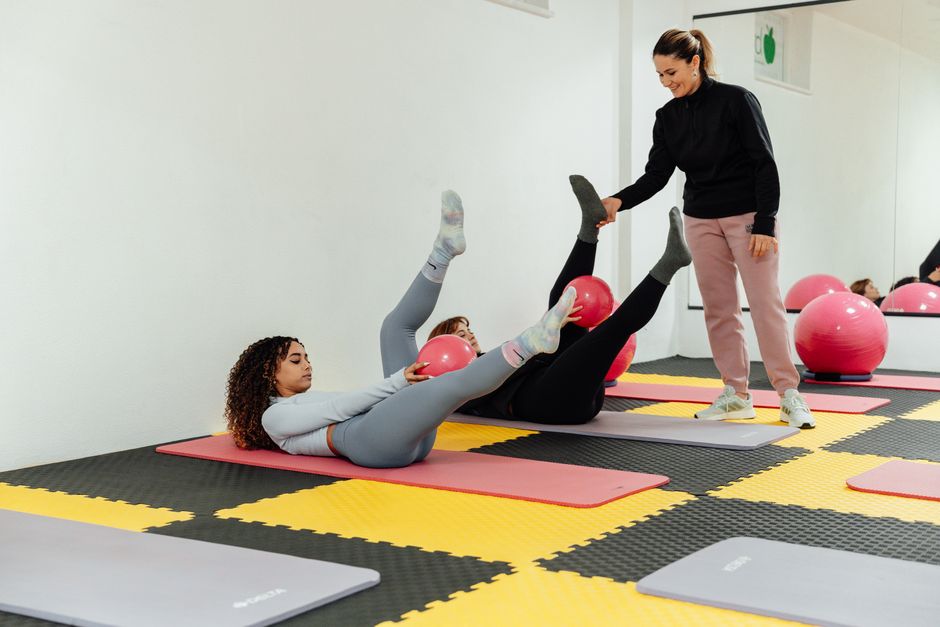
For a long time, exercise was marketed to women as a way to “shrink.” We were told to do hours of cardio to burn off our dinner. But true women health is about moving to feel strong, not to get smaller. As we age, muscle mass becomes our “metabolic currency.” The more muscle you have, the better your insulin sensitivity and the stronger your bones.
Functional Fitness
You don’t have to be a cross-fit athlete. Functional fitness is about being able to carry your groceries, pick up your kids (or grandkids), and stay mobile. Strength training—even just using resistance bands or light dumbbells—is a game-changer for women. It boosts your metabolism and gives you a sense of empowerment that a treadmill just can’t match.
Joyful Movement
If you hate running, don’t run! The best exercise for your health is the one you will actually do. Maybe it’s a dance class, a brisk walk with a friend, or restorative yoga. When you enjoy the movement, your body releases endorphins, which are natural stress-fighters.
Preventative Care: Your Future Self Will Thank You
I know, I know. Nobody likes going for a Pap smear or a mammogram. They are uncomfortable and time-consuming. But these screenings are the ultimate act of self-love. Early detection is the most powerful tool we have in the world of women health.
Checklists for Different Decades
Your health needs evolve as you do. Here’s a quick look at what to prioritize:
- In your 20s and 30s: Regular Pap smears, skin checks (wear that SPF!), and baseline blood work to check cholesterol and glucose.
- In your 40s: Start discussing mammograms with your doctor and keep a close eye on perimenopause symptoms. Don’t forget eye exams!
- In your 50s and beyond: Bone density scans (DEXA), colonoscopies, and heart health screenings.
The Power of Sleep
Sleep is the most underrated pillar of women health. While we sleep, our brains “wash” themselves of toxins, our muscles repair, and our hormones reset. If you are surviving on five hours of sleep, your body is in a constant state of “fight or flight.”
Try creating a “sleep sanctuary.” Keep your room cool, dark, and quiet. Try to put your phone away an hour before bed—the blue light tells your brain it’s daytime, which kills your melatonin production. If you can’t sleep because your mind is racing, keep a notepad by your bed and do a “brain dump” of everything you’re worried about. Once it’s on paper, your brain feels “safe” enough to let it go for the night.
Key Takeaways for Better Women Health
- Listen to your “check engine” light: Fatigue, pain, and mood swings are signals, not inconveniences.
- Prioritize Protein and Fiber: Fuel your body to balance your hormones and keep your energy steady.
- Strength Training is Non-Negotiable: Build muscle to protect your bones and your metabolism.
- Manage the Mental Load: Set boundaries and find small ways to reduce daily stress.
- Don’t Skip Screenings: Preventative care is the best gift you can give your future self.
Frequently Asked Questions
What is the most important aspect of women health?
There isn’t just one! It’s a balance of nutrition, mental wellbeing, hormonal health, and movement. However, if you had to start somewhere, focusing on sleep and stress management often has the quickest “trickle-down” effect on everything else.
Why am I so tired all the time even if I sleep?
Chronic fatigue in women can be caused by many things, including iron deficiency (anemia), thyroid issues, or high cortisol from chronic stress. It’s always a good idea to get a full blood panel done to check your levels.
How can I balance my hormones naturally?
While some conditions require medical intervention, you can support your hormones by eating enough healthy fats, reducing refined sugar, managing stress, and getting consistent sleep. Your hormones love stability!
Is weight gain inevitable during menopause?
It’s common because of shifting estrogen levels, but it’s not inevitable. Focusing on strength training (to maintain muscle mass) and prioritizing whole foods can help manage weight changes during this transition.
How much water should I really be drinking?
The “8 glasses a day” rule is a good baseline, but it depends on your activity level and climate. A better gauge is the color of your urine—aim for a pale lemonade color. If it’s dark, drink up!
At the end of the day, women health isn’t about perfection. It’s about connection. It’s about connecting with your body, listening to what it needs, and having the courage to put yourself first. You are the engine of your life, and you deserve to run smoothly. Start small, stay consistent, and remember: you are worth the effort.
Written with love and assistance and refined for quality.
🔗 Related: Period poverty: A global menstrual health…
🔗 Related: Making sense of the widening gender…
🔗 Related: Perineal muscle strength as a predictor…