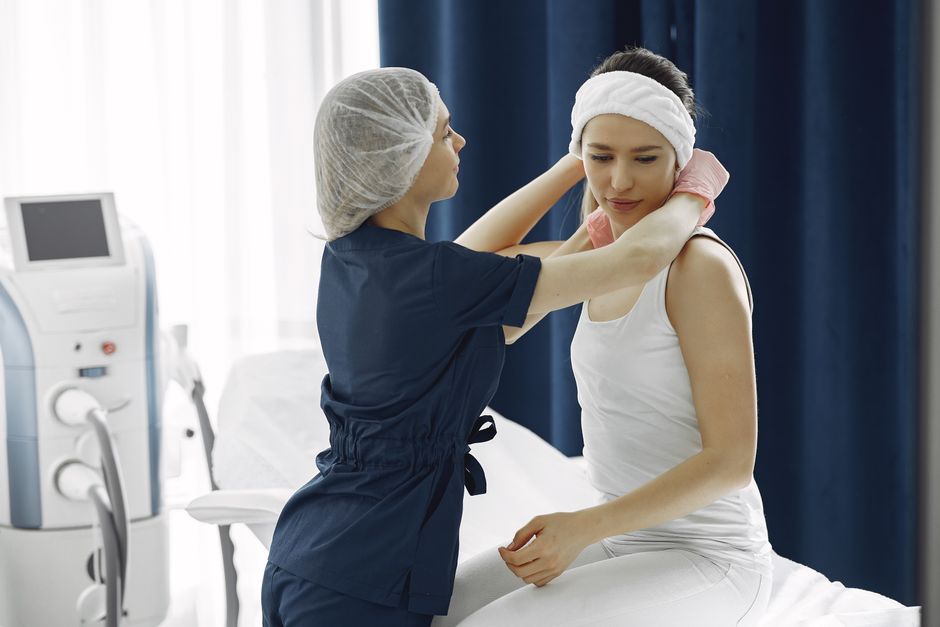
In this article, we’ll explore: women health and why it matters today.
Related:
👉 Why Genelia D’Souza Is Right: Why Being 40 Is Way Cooler Than We’re Told
👉 Why We Need to Talk About Period Poverty: A Global Menstrual Health Crisis
👉 Why Estrogen Might Be Your Brain’s Secret Weapon Against Stress-Induced Memory Loss
Learn more: women health on Google Search
Meet Sarah. Sarah is a 34-year-old project manager, a mother of two, and the person her friends call whenever they need a favor. She is the master of the “invisible load”—remembering school spirit days, managing deadlines at work, and making sure the fridge is stocked. But lately, Sarah has been feeling like a car running on an empty tank. She’s tired, her skin is breaking out for the first time since high school, and she can’t remember the last time she did something just for herself.
Sarah’s story isn’t unique. In fact, it’s the story of millions of women worldwide. We are often so busy taking care of everyone else that our own well-being falls to the bottom of the to-do list. But here’s the truth: women health isn’t a luxury. It is the foundation upon which everything else in your life is built. If you aren’t feeling your best, you can’t show up for the people and passions you love.
In this guide, we’re going to move past the clinical jargon and the generic advice. We’re going to talk about what it really looks like to prioritize yourself—from your hormones and heart health to your mental clarity and gut health.
Understanding the Holistic Nature of Women Health
When people hear the term “women health,” they often immediately think of reproductive health or annual doctor visits. While those are incredibly important, true health is holistic. It’s a tapestry woven from your physical activity, your emotional resilience, your nutrition, and your social connections.
Women’s bodies are complex and dynamic. We go through more physiological shifts in a single month than most men do in a year. Because of this, our approach to health needs to be flexible and intuitive rather than rigid and demanding.
The Power of Listening to Your Body
Your body is constantly sending you signals. That mid-afternoon energy crash? That’s a signal. The sudden mood swing before your period? That’s a signal. Instead of masking these symptoms with caffeine or ignoring them altogether, we need to learn to listen. When we understand the “why” behind how we feel, we can make better choices that support our long-term vitality.
Nourishing Your Body: It’s Not About Restriction
For decades, women have been told that health is about eating less. We’ve been bombarded with “low-cal” this and “diet” that. But if you want to feel energized, you need to fuel your body, not starve it.
Focus on Whole Foods
Think of your plate as a colorful palette. The more colors, the better. Aim for a mix of:
- Leafy Greens: Spinach and kale are packed with iron and calcium, which are vital for bone health.
- Healthy Fats: Avocados, nuts, and olive oil support brain function and hormone production.
- Lean Protein: Whether it’s chicken, lentils, or tofu, protein helps repair tissues and keeps you full.
- Complex Carbs: Sweet potatoes and quinoa provide the steady energy you need to get through a busy day.
The Importance of Hydration
It sounds simple, but most of us are walking around chronically dehydrated. Water affects everything from your skin’s glow to your ability to concentrate. If you find plain water boring, try infusing it with lemon, cucumber, or mint. Your body will thank you.
The Hormonal Journey: Navigating the Decades
One of the biggest factors in women health is the hormonal shifts we experience as we age. Each decade brings new challenges and new opportunities to care for ourselves.
Your 20s and 30s: Building the Foundation
This is often the busiest time of a woman’s life. You might be starting a career, traveling, or raising young children. During this phase, focus on bone density (get your Vitamin D and Calcium!) and managing stress. This is also the time to establish a consistent routine with your primary care physician and gynecologist.
Your 40s: The Transition to Perimenopause
Many women are surprised when they start experiencing symptoms like night sweats or irregular cycles in their early 40s. This is perimenopause—the lead-up to menopause. It’s a time when estrogen levels begin to fluctuate. Strength training becomes even more important here to protect your metabolism and bone health.
Your 50s and Beyond: Embracing the New Normal
Post-menopause, the focus shifts toward heart health and cognitive function. Lower estrogen levels can increase the risk of heart disease, so a heart-healthy diet and regular cardiovascular exercise are non-negotiable. It’s also a wonderful time to explore new hobbies and focus on the mental freedom that often comes with this stage of life.
Mental Health: The Invisible Pillar
You cannot be physically healthy if you are mentally exhausted. Women are twice as likely as men to experience anxiety and depression, often due to the “invisible load” mentioned earlier. We take on the emotional labor of our households, and it takes a toll.
Setting Boundaries
One of the best things you can do for your health is to learn the word “no.” Saying no to an extra commitment at work or a social event you don’t actually want to attend is a form of self-care. It preserves your energy for the things that truly matter.
The Role of Sleep
Sleep is when your body repairs itself. It’s when your brain flushes out toxins and your hormones rebalance. Aim for 7-9 hours of quality sleep. Create a “wind-down” ritual—put the phone away an hour before bed, read a physical book, or take a warm bath. If you aren’t sleeping well, every other aspect of your health will suffer.
Movement That Feels Like a Celebration, Not a Chore
Forget the “no pain, no gain” mentality. If you hate running, don’t run. If the gym feels intimidating, don’t go. The best exercise is the one you actually enjoy doing.
Movement should be about celebrating what your body can do, not punishing it for what you ate. This could look like:
- A 20-minute morning yoga flow to wake up your joints.
- A brisk walk through the park with a friend.
- A dance class where you can let loose and laugh.
- Strength training twice a week to keep your muscles strong.
The goal is consistency, not intensity. Even a 10-minute walk has significant benefits for your mood and heart health.
Preventive Care: Staying Ahead of the Game
We often wait until something is wrong before we see a doctor. However, the secret to long-term women health is prevention. Regular screenings can catch issues early when they are most treatable.
Checklist for Preventive Health:
- Annual Wellness Exam: A general check-up to monitor blood pressure, cholesterol, and BMI.
- Pap Smears and HPV Testing: Essential for cervical health.
- Mammograms: Generally starting at age 40 or earlier if you have a family history.
- Bone Density Scans: Usually recommended after menopause.
- Skin Checks: To look for irregular moles or signs of skin cancer.
Real-World Example: How Maria Reclaimed Her Vitality
Maria, a 45-year-old teacher, felt constantly bloated and “foggy.” She assumed it was just part of getting older. After a consultation with a nutritionist and a hormone specialist, she realized she was sensitive to dairy and was severely deficient in magnesium. By making small tweaks to her diet and adding a supplement, Maria’s “brain fog” lifted within weeks. She started walking for 30 minutes every morning and found that her stress levels at work became much more manageable. Maria didn’t need a total life overhaul; she just needed to address the specific needs of her body.
Key Takeaways for Better Health
- Prioritize Protein and Fiber: These keep your energy stable and your gut happy.
- Don’t Ignore Your Mental Health: Stress is a physical toxin; manage it through boundaries and mindfulness.
- Move Daily: Find an activity you love and stick with it.
- Schedule Your Screenings: Prevention is the most effective form of medicine.
- Listen to Your Intuition: If something feels “off” in your body, advocate for yourself until you find answers.
Frequently Asked Questions (FAQ)
1. Why am I always so tired, even when I sleep?
Fatigue can be caused by many things, including iron deficiency (anemia), thyroid issues, or high levels of chronic stress. If “getting more sleep” doesn’t help, it’s worth getting blood work done to check your vitamin levels and hormone balance.
2. How often should I really be exercising?
The general recommendation is 150 minutes of moderate activity per week, plus two days of strength training. However, even 15-20 minutes a day can make a massive difference in your cardiovascular health and mood.
3. Is gut health really that important?
Yes! Your gut is often called your “second brain.” It produces a large portion of your serotonin (the feel-good hormone) and houses most of your immune system. A diet rich in fermented foods and fiber supports a healthy gut microbiome.
4. At what age should I start worrying about menopause?
Perimenopause can start as early as your late 30s or early 40s. If you notice changes in your mood, sleep patterns, or menstrual cycle, it’s a good idea to start the conversation with your doctor early so you can manage the transition smoothly.
5. How can I improve my health if I’m super busy?
Start small. You don’t need an hour in the gym. Try “habit stacking”—do squats while brushing your teeth, take a business call while walking, or prep one healthy meal on Sunday night. Small wins lead to big changes.
In the end, women health is a journey, not a destination. There will be seasons where you feel like a superhero and seasons where you need to rest and recover. The most important thing is that you keep showing up for yourself. You deserve to feel good in your own skin.
Written with love and assistance and refined for quality.
🔗 Related: women health
🔗 Related: Period poverty: A global menstrual health…
🔗 Related: Making sense of the widening gender…